English
한국어
English
Español
中文
हिंदी
Home
News
Community
Dictionary
English
한국어
English
Español
中文
हिंदी
View list
Salvia Apiana
Salvia apiana
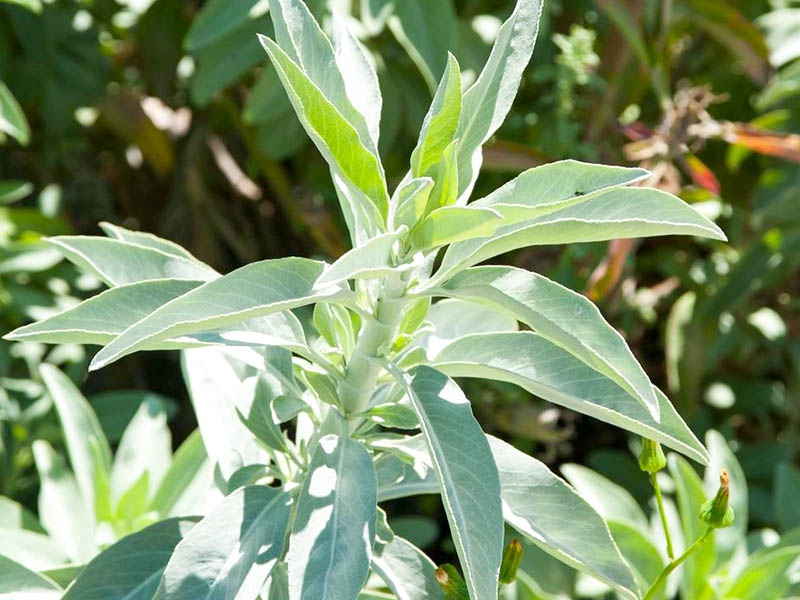
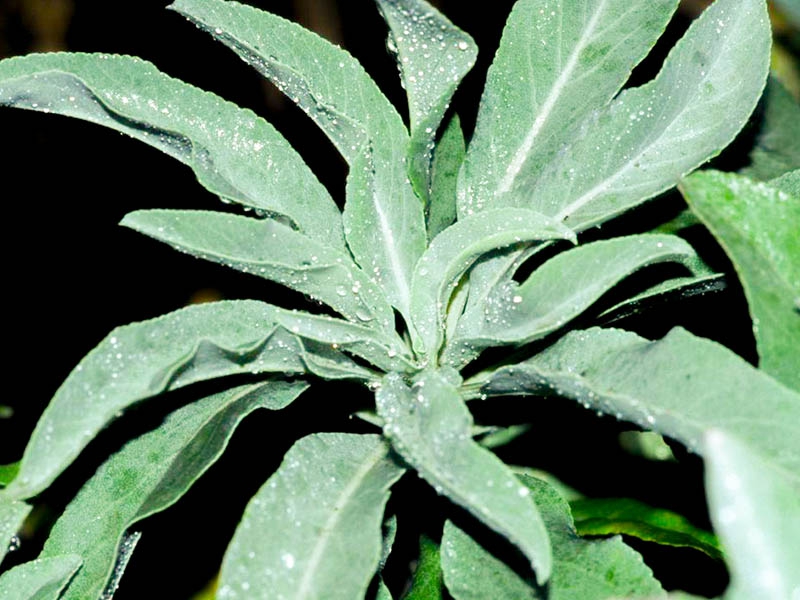
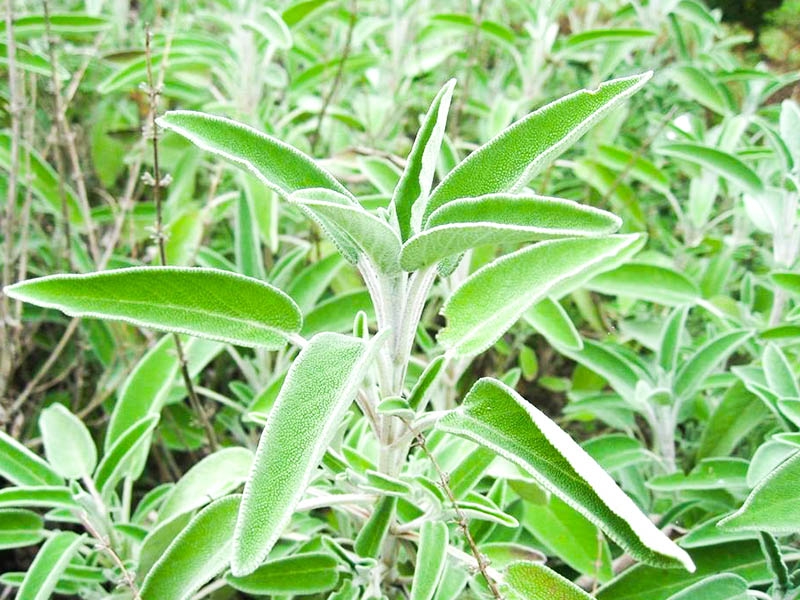
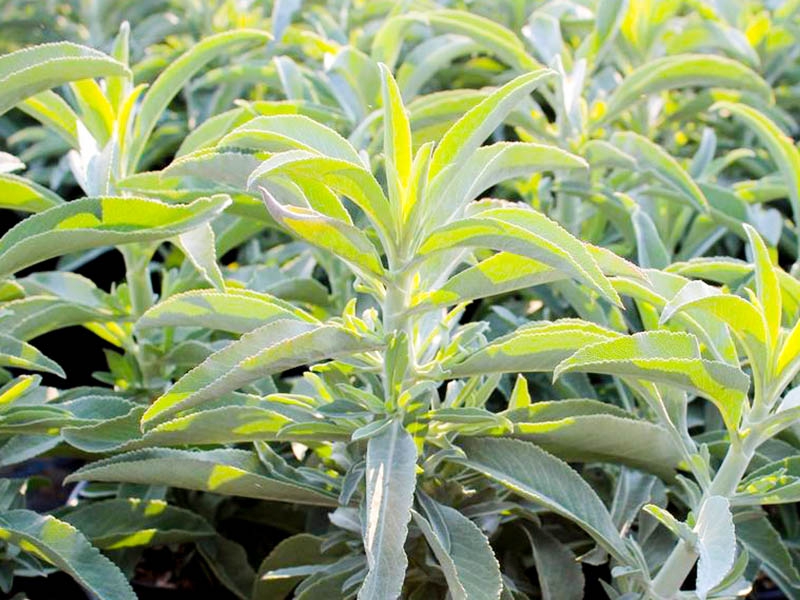
Salvia apiana, also commonly known as the cedar, is a perennial herbaceous plant native primarily to western North America. The following describes the growth characteristics, propagation methods, cultivation methods, garden uses, and major pests and diseases, as well as control methods for Salvia apiana. Growth Characteristics - Environmental Requirements: Salvia apiana thrives in warm, dry climates and prefers locations with abundant sunlight. - Soil: Well-drained sandy or gravel soils are suitable, and it prefers soil with an acidic to neutral pH range. - Appearance: It features silvery-white leaves and produces purple, pink, or white flowers. It can grow to a height of approximately 1 to 1.5 meters. Propagation Methods - Seed Propagation: Propagation is possible using seeds, and it is recommended to plant them in the spring. Germination may take some time. - Cuttings: It can be propagated via stem cuttings, using stems cut in spring or early summer. Cultivation Methods - Planting: Plant in well-draining soil and space out evenly to avoid overcrowding. - Watering: Avoid overwatering as it prefers dry conditions. Water moderately when the soil is completely dry. - Fertilizer: It grows well without special fertilizer, but if you desire fertile soil, you can occasionally apply a low-concentration fertilizer. Garden Uses - Landscape Creation: Its unique leaf and flower colors allow it to be used as a focal point in the garden. - Insect Repellent and Fragrance Effects: It is effective in repelling certain pests, so it is sometimes used as a natural insect repellent in the garden. Important Pests and Control Methods - Diseases: It is generally resistant to diseases. However, caution is required as root rot can occur due to excessive moisture. - Pests: Pests that primarily gnaw on the leaves may occur. If pests are found, use appropriate insecticides or implement natural control methods. - Care Method: Regular condition checks and bottle cap removal can prevent the occurrence of pests and diseases. Salvia apiana is a relatively easy plant to care for; provided it is provided with the right environment, it can grow beautifully and add a unique charm to your garden.
Plant Type
Plant Family
Lamiaceae
Height
90~150cm
Spread
90~150cm
Colors
green
Bloom Period
March to August
Water Needs
commonly
Exposure
Sunny
Freezing Resistance
-10°C
Salvia Azurea
Salvia azurea
Salvia 'Wendy's Wish'
Salvia × hybrida 'Wendy's Wish'