English
한국어
English
Español
中文
हिंदी
Home
News
Community
Dictionary
English
한국어
English
Español
中文
हिंदी
View list
Salvia 'Hot Lips'
Salvia microphyll
'Hot Lips'
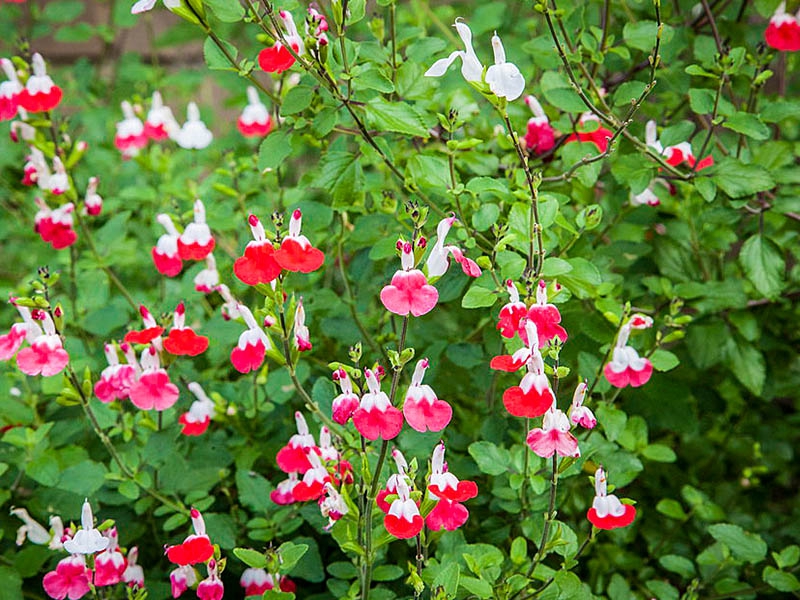
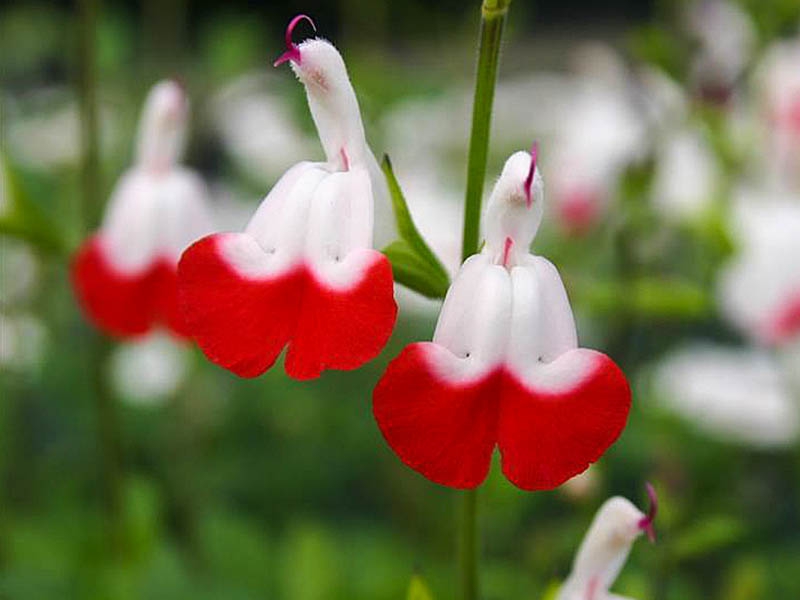
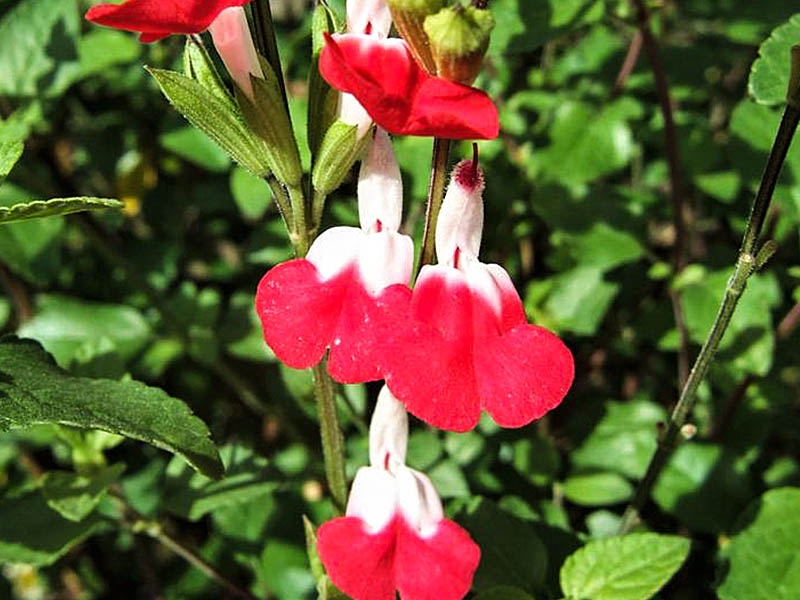
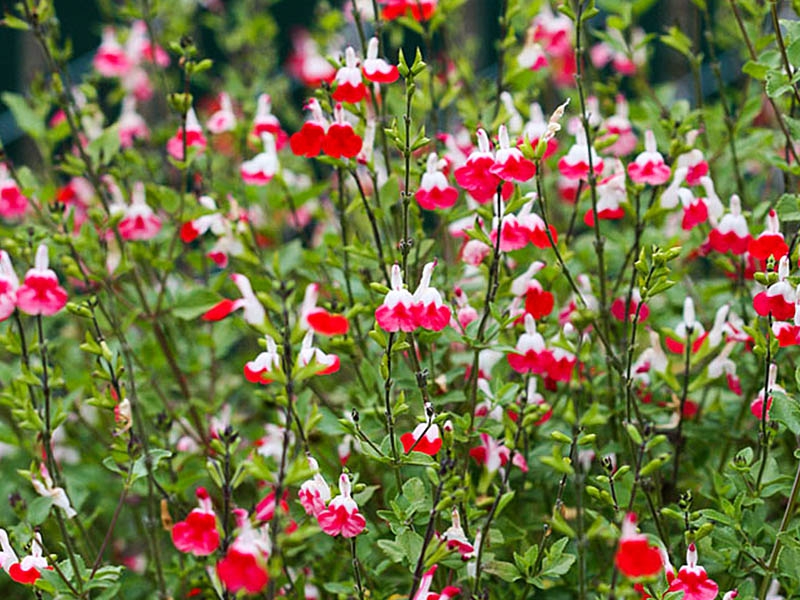
Growth Characteristics Salvia 'Hot Lips' is a perennial herbaceous plant belonging to the Lamiaceae family, generally growing to a height of 60 to 90 cm. It is characterized by beautiful bright red and white flowers that bloom continuously from summer to autumn. It thrives in sunny locations and prefers well-drained soil. Propagation Methods - Seed Propagation: Seeds can be germinated indoors in the spring or planted outdoors immediately after the last frost. - Cuttings: Healthy stems can be cut in the summer and placed in water or planted in a mixture of sand and peat to encourage rooting. Cultivation Methods - Sunlight: It requires sufficient sunlight and can tolerate partial shade. - Soil: It requires well-draining soil, and soil with some organic matter is ideal. - Watering: Be careful not to overwater; water regularly during dry periods. - Fertilizer: Apply a general all-purpose fertilizer once in the spring. Use in the Garden Salvia 'Hot Lips' is well-suited for borders, landscape flowerbeds, and roadside planting. It also plays a significant role in ecological gardens due to its ability to attract butterflies and bees. Important Pests and Diseases & Control Methods - Diseases: Root rot caused by excessive moisture is a primary issue. This can be prevented through proper drainage management and appropriate watering. - Pests: Damage from insects or aphids may occur, but it is generally not severe. If necessary, control measures can be taken using natural soap solution or alcohol. With proper care, you can grow healthy Salvia 'Hot Lips' and add beauty to your garden.
Plant Type
Plant Family
Lamiaceae
Height
60~90cm
Spread
60~90cm
Colors
white, red
Bloom Period
June to August
Water Needs
commonly
Exposure
Sunny
Freezing Resistance
-10°C
Salvia 'Mystic Spears Blue'
Salvia longispicata x farinacea 'Mystic Spires Blue'
Salvia Silvestris 'Tangerine'
Salvia × sylvestris 'Tanzerin'