English
한국어
English
Español
中文
हिंदी
Home
News
Community
Dictionary
English
한국어
English
Español
中文
हिंदी
View list
Canadian Elder
Sambucus canadensis
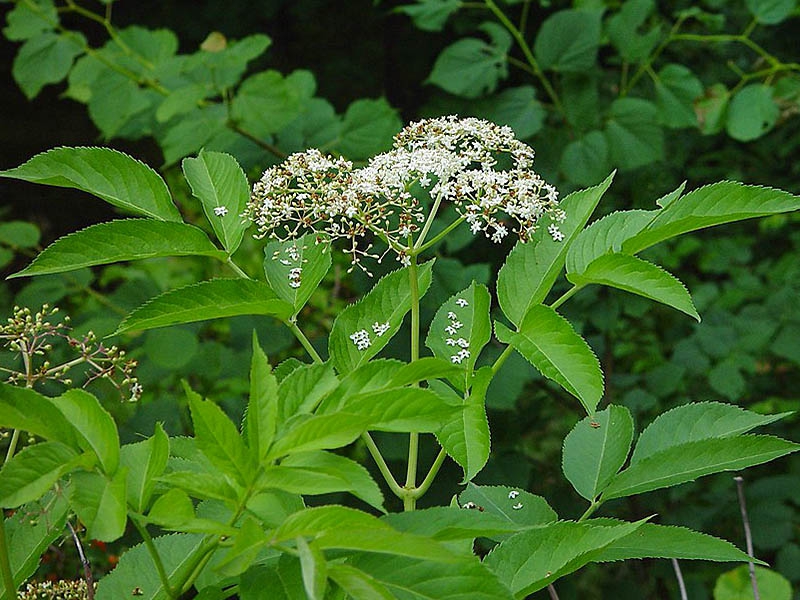
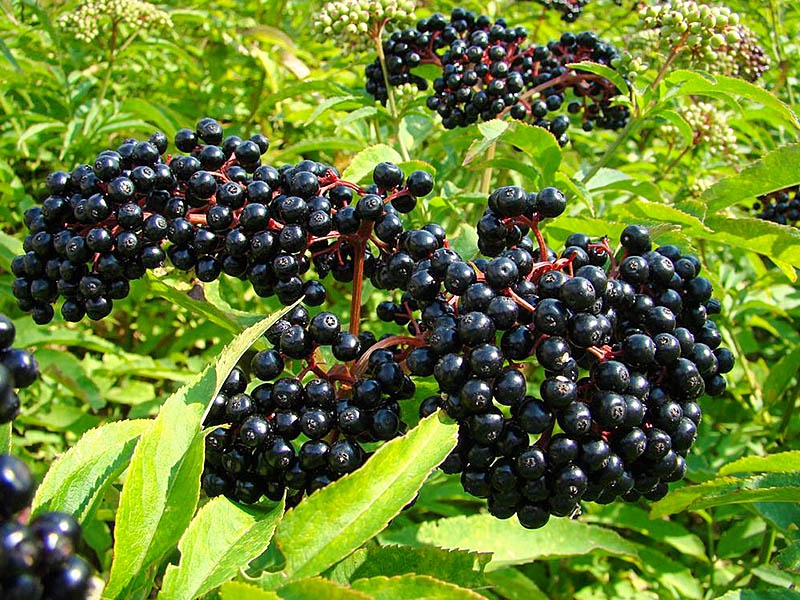
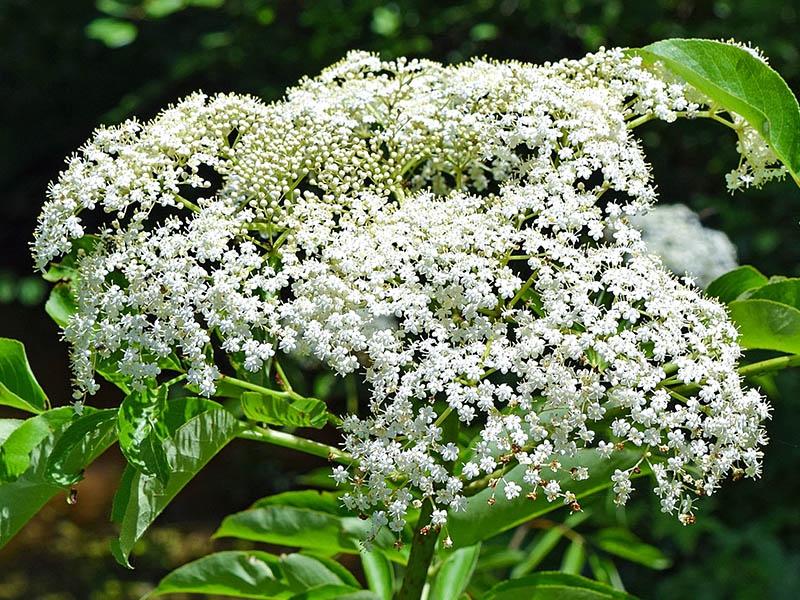
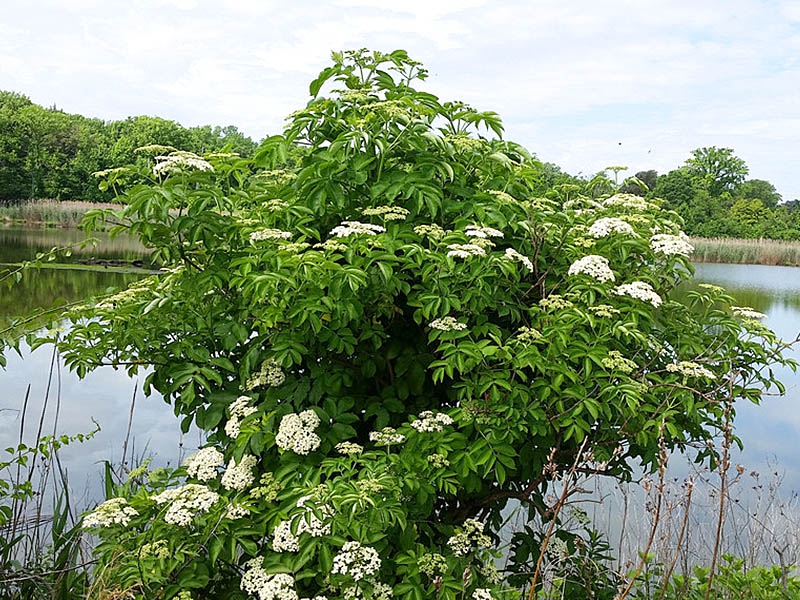
The Canadian Elder (scientific name: Sambucus canadensis) is a deciduous shrub native to North America, characterized by the following features and cultivation methods. Growth CharacteristicsThe Canadian Elder typically grows to a height of 2 to 3 meters, though rarely it can reach up to 5 meters. The stems are usually green to reddish-brown, eventually turning grayish-white. The leaves are alternate and composed of pinnately compound leaves. In the summer, small white flowers cluster together to form large inflorescences. In the autumn, black berries appear, serving as food for small birds. Propagation MethodsPropagation is primarily done by seeds and cuttings. Seeds are propagated by harvesting mature berries in the autumn, drying them at room temperature, and then planting them. Cuttings can be taken in the spring or early summer by cutting well-grown branches; it is important to provide sufficient moisture until roots develop. Cultivation MethodsWhile the Canadian Elder prefers sunlight, it also thrives in partial shade and possesses excellent adaptability, allowing it to grow in a variety of soil conditions. However, it grows best in well-drained soil. It grows faster in fertile soil, and applying organic fertilizer in early spring each year is beneficial. It is best to plant them at adequate intervals, taking care to avoid overcrowding. Uses in the GardenIn the garden, the Canadian Elder is excellent for planting as a hedge or boundary. Its flowers and berries provide aesthetic beauty and offer food and habitat for various wildlife. It is also suitable as a hedge and adds a natural feel to a native plant garden. Important Pests and Control Methods While the Canadian Elder is relatively resistant to pests and diseases, it can be damaged by gray mold (botritis) and scale insects. Gray mold is prone to occur under conditions of heavy rain or high humidity; if symptoms appear, cut off and remove the infected parts. Scale insects can be detected early and removed using soapy water or insect soap. Chemical control should be considered a last resort, and environmentally friendly control methods should be prioritized. I hope this information helps you effectively utilize and care for Canadian elders in your garden.
Plant Type
Plant Family
Honeysuckle
Height
3m
Spread
Colors
white
Bloom Period
May
Water Needs
commonly
Exposure
Sunny
Freezing Resistance
-40°C
Western elder
Sambucus nigra
Black Elderberry Instant Karma
Sambucus nigra Instant Karma