English
한국어
English
Español
中文
हिंदी
Home
News
Community
Dictionary
English
한국어
English
Español
中文
हिंदी
View list
wild cucumber
Sanguisorba hakusanensis
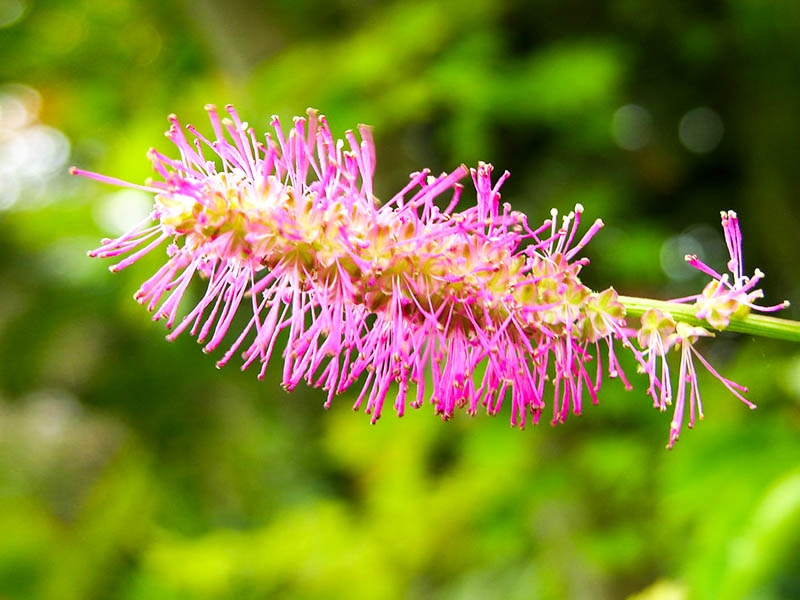
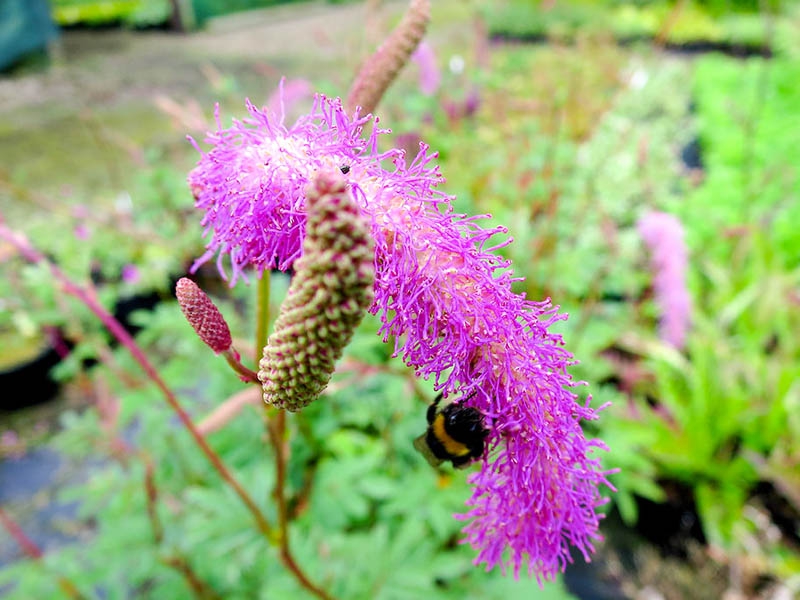
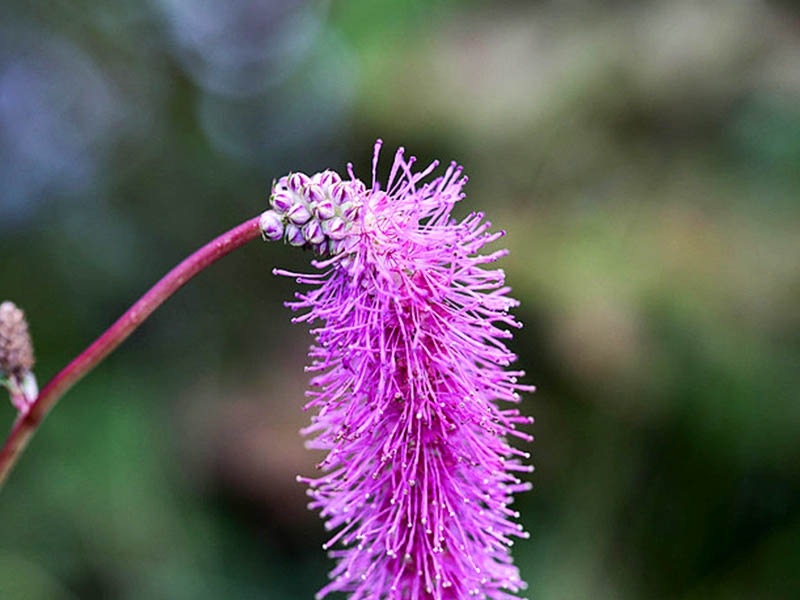
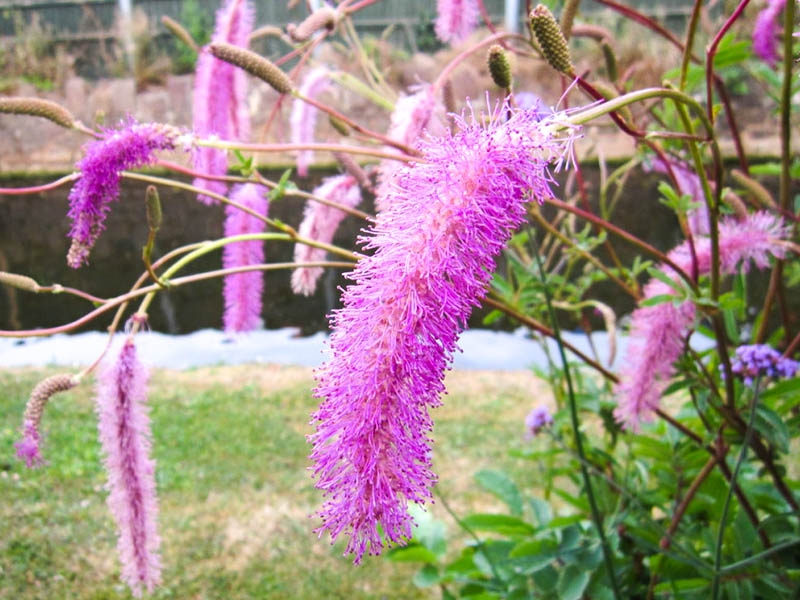
Sanguisorba hakusanensis is a perennial herbaceous plant belonging to the Rosaceae family, primarily found in alpine regions. The following is information regarding the plant's growth characteristics, propagation methods, cultivation methods, garden uses, and pest and disease control methods. Growth Characteristics - Height: Grows to approximately 30–60 cm; the stems are straight and strong. - Leaves: Pinnately compound leaves with serrated margins. - Flowers: Bloom in summer; small, purplish flowers appear in clusters at the tips of the main stems. - Environment: Prefers cool, moist environments and thrives in well-drained soil. Propagation Methods - Seed Propagation: Collect seeds in the autumn and sow them in the spring. - Division Propagation: Can be propagated by dividing the roots in early spring or autumn. Cultivation Methods - Soil: Well-drained sandy loam is the most suitable soil. - Watering: Avoid overwatering and water when dry. - Fertilizer: It is recommended to apply organic fertilizer in spring and autumn. - Sunlight: It thrives in partial shade to full sun. Garden Uses - Mountain Cucumber can be used as a border plant or background plant, and its flowers and unique leaf shapes provide excellent decorative effects. Important Pests and Control Methods - Diseases: While generally resistant, root rot may occur in poorly drained soil. To prevent this, proper drainage management is necessary. - Pests: It can be damaged by pests such as aphids. Regular pest control using insecticides is required. As a useful plant for beautifying the garden, it can grow healthily with proper care and attention.
Plant Type
Plant Family
Rosaceae
Height
60~90cm
Spread
60~90cm
Colors
pink
Bloom Period
July~August
Water Needs
commonly
Exposure
Sunny
Freezing Resistance
-30°C
Menzies' cucumber plant
Sanguisorba menziesii
cucumber plant 'Tana'
Sanguisorba officinalis 'Tanna'