English
한국어
English
Español
中文
हिंदी
Home
News
Community
Dictionary
English
한국어
English
Español
中文
हिंदी
View list
Ogunamu
Triadica sebifera
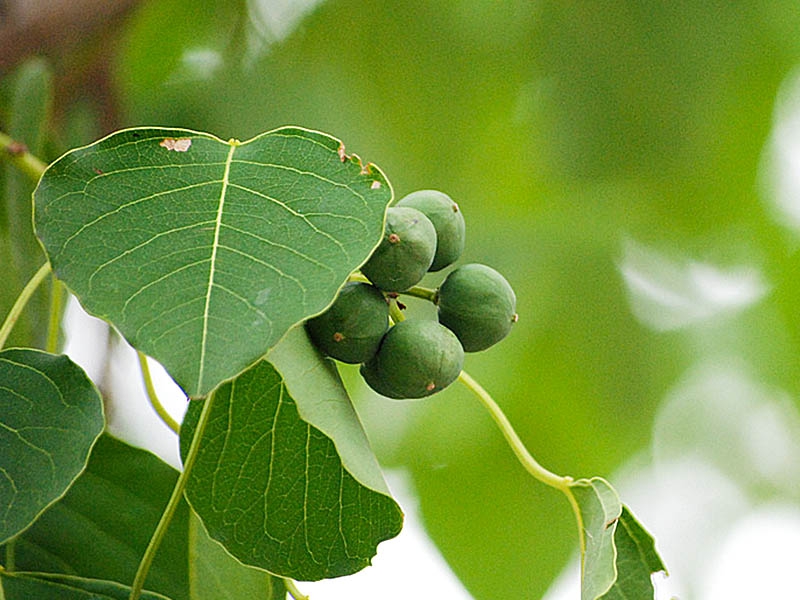
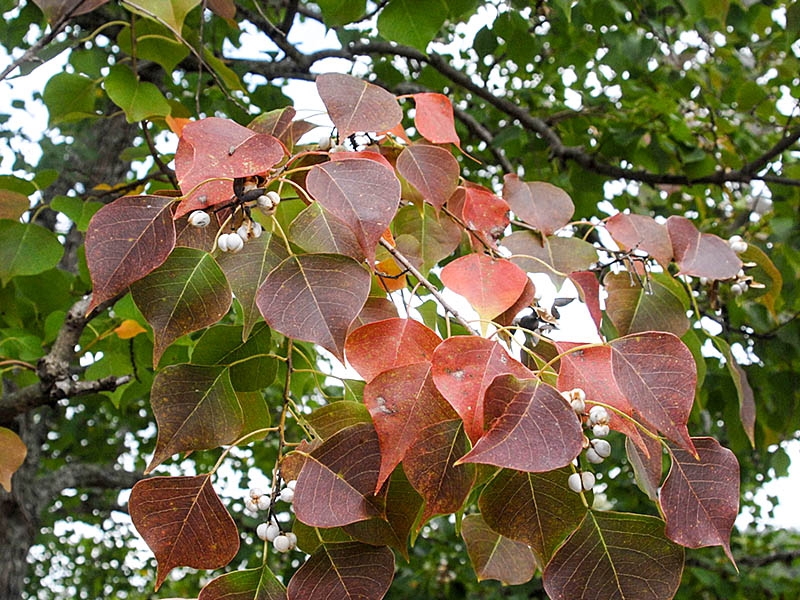
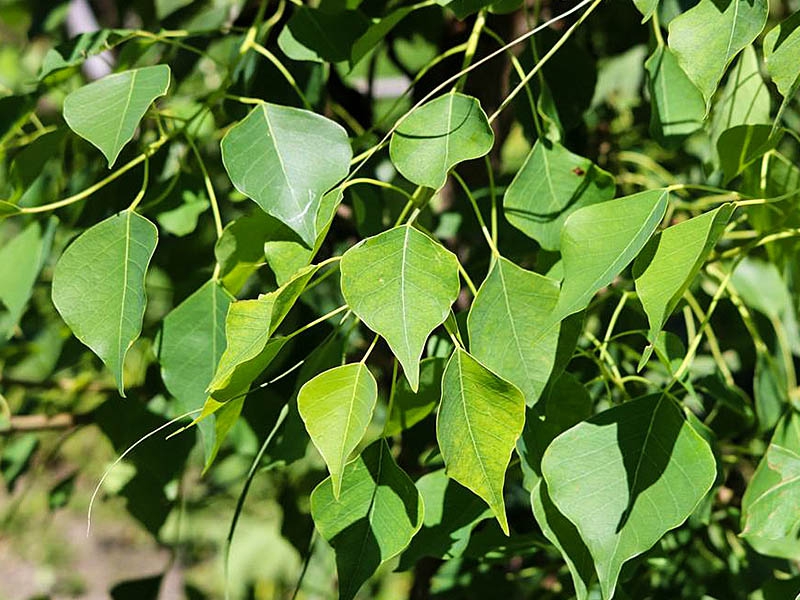
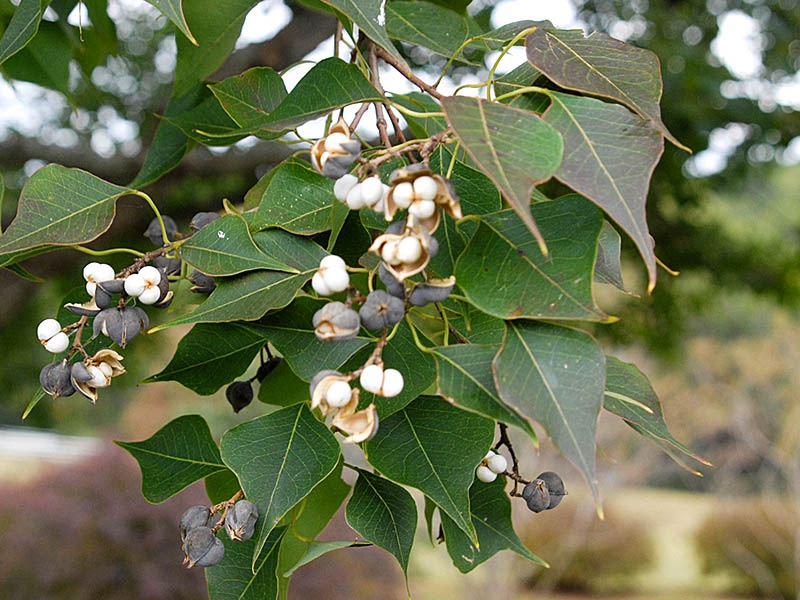
I will explain the growth characteristics, propagation methods, cultivation methods, garden uses, and major pests and diseases and control methods of Sapium sebiferum. Growth Characteristics Sapium sebiferum is a deciduous tree that grows up to 10 to 15 meters in height. Its leaves are long elliptical to ovate in shape and turn red in the autumn, providing a beautiful landscape. It grows well in most soil conditions and grows particularly rapidly in sunny locations. Propagation Methods Propagation is primarily done by seeds and cuttings. For seed propagation, mature fruits are harvested, dried, and sown in early spring. For cuttings, semi-hardwood cuttings taken in the summer are recommended, and proper moisture management is required. Cultivation Methods Sapium sebiferum is a relatively easy tree to care for; it is important to provide well-drained soil and sufficient sunlight. Water should be supplied periodically, but excessive moisture should be avoided. Fertilizer should be applied in the spring and autumn using a balanced fertilizer. Use in Gardens Due to its spectacular autumn foliage, the Japanese quince (Seviperum) is widely used for landscaping in gardens and parks. It can also be planted to provide shade. Important Pests and Control Methods Although the Japanese quince is relatively resistant to pests and diseases, it can occasionally be damaged by fungal diseases or insects. To prevent pests, regularly inspect the tree's condition and use pesticides for control if necessary. Natural methods include removing only the parts with minimal damage or manually removing pests. Based on this information, proper care of your Japanese quince will allow you to cultivate a beautiful garden.
Plant Type
Plant Family
Euphorbia
Height
10m
Spread
Colors
yellow
Bloom Period
June–July
Water Needs
commonly
Exposure
Sunny
Freezing Resistance
-15°C
human tree
Neoshirakia japonica
Soapwort
Saponaria officinalis