English
한국어
English
Español
中文
हिंदी
Home
News
Community
Dictionary
English
한국어
English
Español
中文
हिंदी
View list
Windbreak ceceloides
Saposhnikovia seseloides
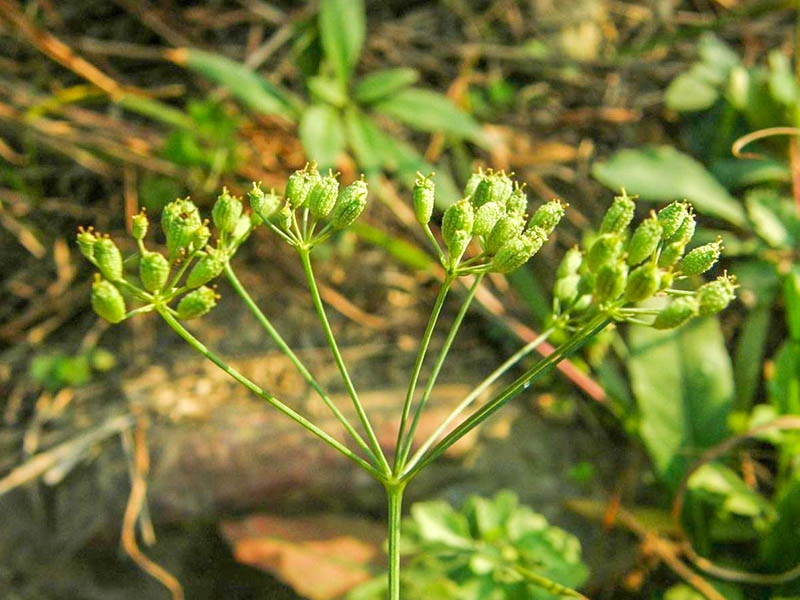
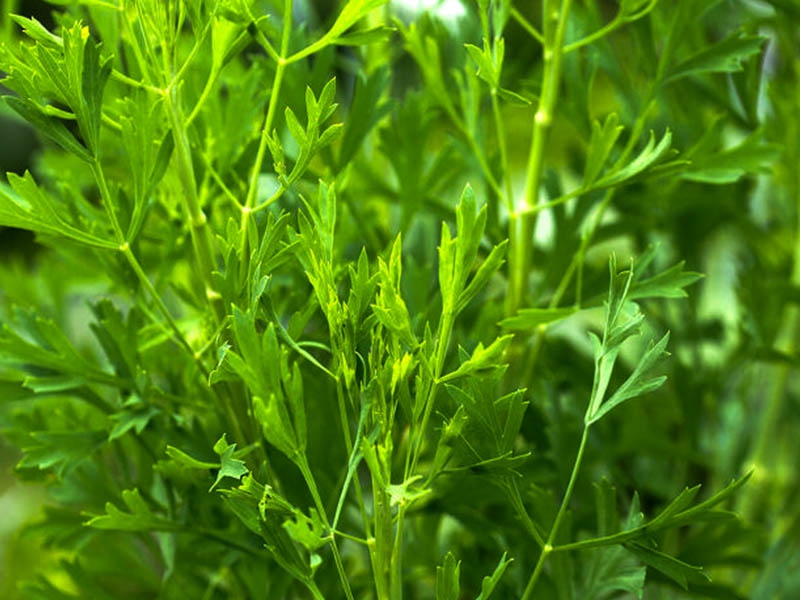
Saposhnikovia seseloides, scientifically known as Bangpung, is known as a medicinal plant primarily used in traditional Korean medicine. The following is information regarding the growth characteristics, propagation methods, cultivation methods, garden uses, and major pests and control methods of Bangpung. Growth Characteristics - Growth Environment: Bangpung mainly grows in temperate and cold regions and thrives in sunny locations with well-drained soil. - Characteristics: It is a perennial herbaceous plant with leaves arranged in an umbrella shape, and its roots are used as medicinal ingredients. - Growth Rate: It grows relatively quickly; it is typically planted in spring and harvested in autumn. Propagation Methods - Seed Propagation: Bangpung is primarily propagated by seeds. It can be sown directly in spring or transplanted after seedling cultivation. - Division: Mature plants with healthy roots can be propagated by division. Cultivation Methods - Soil Preparation: Well-drained and fertile soil is ideal. Mix in plenty of compost before planting. - Planting: Sow seeds at a depth of 1 cm and space them 20–30 cm apart. - Care: Avoid overwatering and remove weeds regularly to allow the plants to grow fully. Uses in the Garden - Medicinal Plant: Saposhnikovia divaricata has medicinal properties, so it can be grown directly in the garden and harvested for use. - Decorative Value: Its leaves and flowers spread elegantly, providing a unique decorative effect in the garden. Major Pests and Control Methods - Diseases: Common diseases include leaf blight and root rot. If these occur, remove the diseased parts and improve soil drainage. - Pests: Pests such as aphids may appear; these can be controlled using eco-friendly insecticides. - Prevention: Preventive care, such as using healthy soil, regular soil disinfection, and maintaining proper spacing, is important. Saposhnikovia divaricata is a relatively easy-to-care-for plant that can be utilized for various purposes in the garden. With proper care and attention, it can be grown healthily.
Plant Type
Plant Family
Apiaceae
Height
30~80cm
Spread
Colors
white
Bloom Period
July~August
Water Needs
commonly
Exposure
Sunny
Freezing Resistance
-30°C
rock soapwort
Saponaria ocymoides
Ashoka tree Indica
Saraca indica