English
한국어
English
Español
中文
हिंदी
Home
News
Community
Dictionary
English
한국어
English
Español
中文
हिंदी
View list
Ashoka tree Indica
Saraca indica
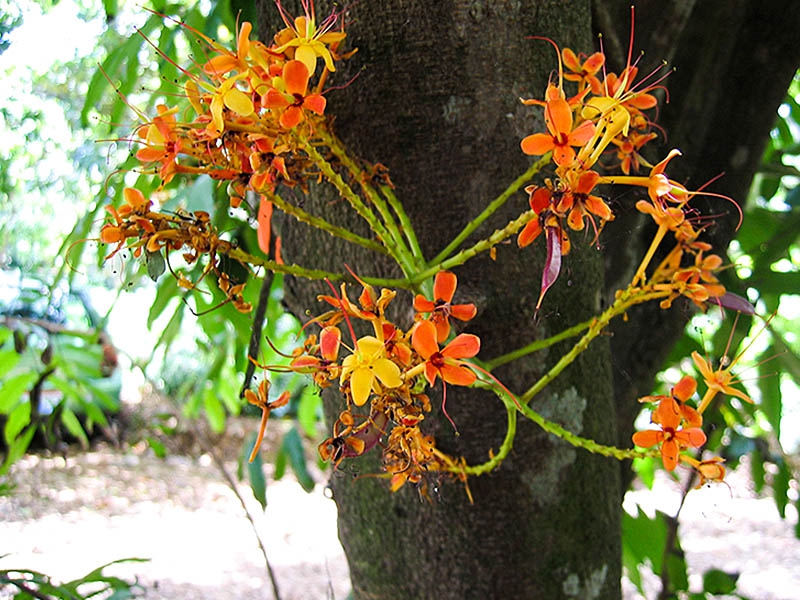
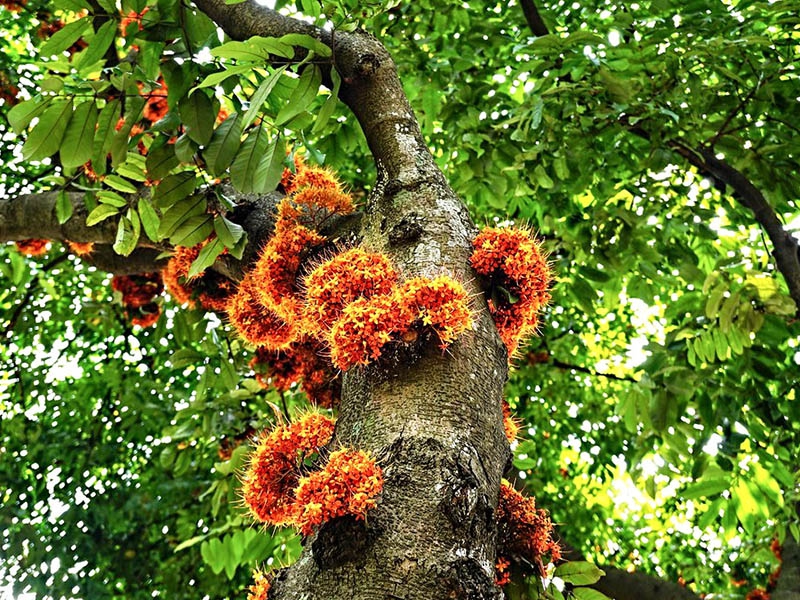
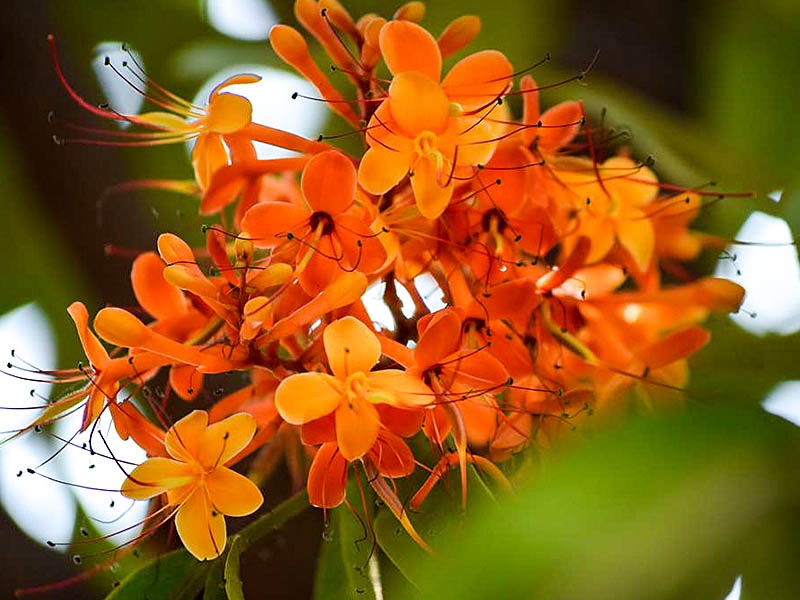
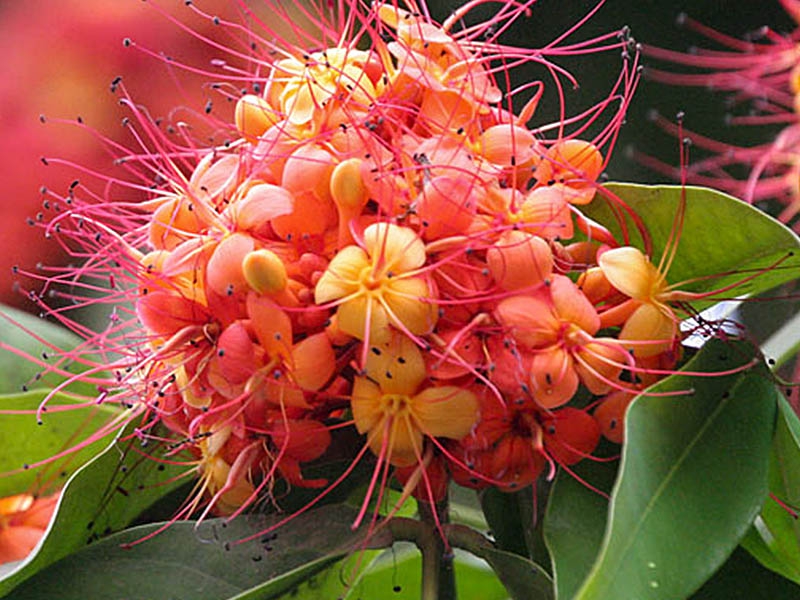
Saraca indica, also known as the Ashoka tree, is a well-known evergreen native to India and Southeast Asia. This tree produces striking orange to red flowers, which bloom in full splendor primarily during the spring. The following is brief information regarding the growth characteristics, propagation methods, cultivation techniques, garden uses, major pests, and control methods of the Ashoka tree. Growth Characteristics - Height: Generally grows up to 6 to 9 meters. - Leaves: Oval to oblong in shape; the new leaves, which are green with a yellowish tint, are particularly beautiful. - Flowers: Strongly fragrant orange or red flowers bloom in dense clusters. - Climate: Thrives in tropical and subtropical climates; growth may be sluggish in cooler climates. Propagation Methods - Seeds: Can be propagated by sowing seeds in the spring. - Cuttings: Can also be propagated by taking cuttings from semi-hardy branches. Cultivation Methods - Soil: It grows best in well-drained soil rich in humus. - Light: It can thrive in various light conditions ranging from partial shade to full sun. - Watering: It prefers a moist environment, but overwatering should be avoided. Pay particular attention to drainage during the wet rainy season. - Fertilizer: It is recommended to apply organic fertilizer regularly during the growing season. Uses in Gardens - Landscape Tree: It is primarily planted for landscaping purposes due to its showy flowers. It is suitable for gardens, parks, and roadsides. - Ecological Value: It is an ecologically useful tree that provides nectar to butterflies and various insects. Important Pests and Control Methods - Diseases: Watch out for root rot and stem rot. These are mainly caused by overwatering. - Pests: Leafrollers and aphids may occur. - Control Methods: For diseases, it is important to cut off infected parts and ensure good ventilation; using organic pesticides is also an effective method. Regular observation is effective for detecting and controlling pests and diseases early. The Ashoka Indica is an ideal tree for beautifying gardens with its vibrant colors and fragrance. However, it requires proper care, so it is important to grow it healthily through periodic observation and maintenance.
Plant Type
Plant Family
legumes
Height
20m
Spread
Colors
red, yellow
Bloom Period
April to June
Water Needs
commonly
Exposure
Sunny
Freezing Resistance
-5°C
Windbreak ceceloides
Saposhnikovia seseloides
Centipede
Pelatantheria scolopendrifolia