English
한국어
English
Español
中文
हिंदी
Home
News
Community
Dictionary
English
한국어
English
Español
中文
हिंदी
View list
Yellow Sarracenia flava var. cuprea
Sarracenia flava
var.
cuprea
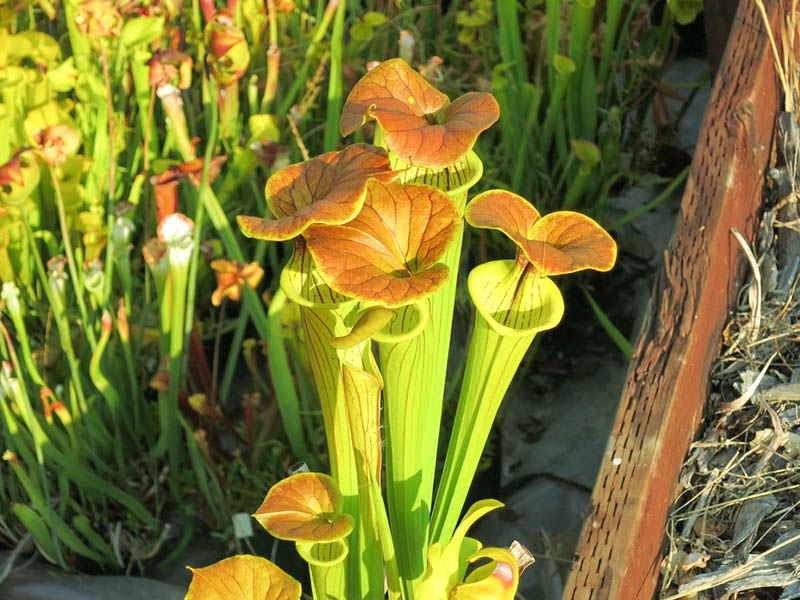
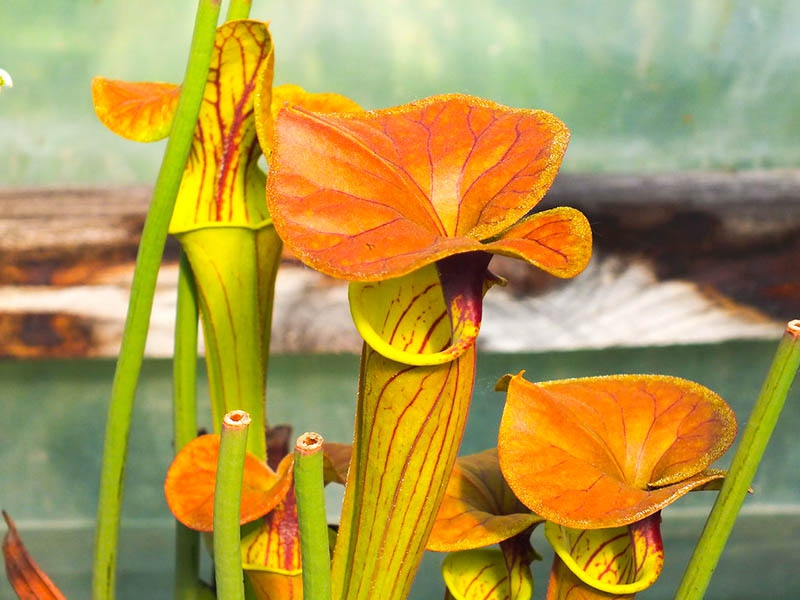
Sarracenia flava var. cuprea is a carnivorous plant native to North America that grows primarily in wetlands and swamps. This plant captures insects using its beautiful, tubular trapping leaves, and this structure serves to replenish the nitrogen necessary for its growth. Growth Characteristics - Environment: It thrives in sunny locations, but strong direct sunlight should be avoided during hot summers. - Soil: It prefers an acidic, well-draining mixture of peat moss and sand. - Watering: It requires sufficient watering, and it is recommended to keep the saucer at the bottom of the pot filled with water at all times. Propagation Methods - Seed Propagation: Seeds can be sown immediately upon collection or after cold stratification for a certain period during the winter. - Division Propagation: It can be propagated by carefully dividing the roots in the spring. Take care not to damage the roots during this process. Cultivation Methods - Pot Selection: Choose a pot with drainage holes to prevent root rot. 2. Soil Preparation: Use a 1:1 mixture of peat moss and sand. - Planting: Plant the plant so that the roots are well positioned, ensuring the middle of the plant touches the soil surface. - Watering: Maintain constant moisture and prevent the water in the saucer from drying out too quickly due to evaporation. - Fertilizer: Generally not necessary, but use a very small amount of manure if specifically required. Uses in the Garden - Wetland Gardens: Well-suited for wetland gardens with abundant water, and can be used for landscape decoration due to its unique shape and color. - Border Planting: Can be used as a low border planting to create a unique atmosphere. Important Pests and Control Methods - Fungal Diseases: Fungal problems can occur due to excessive moisture, so pay attention to drainage and ensure good ventilation. - Pests: American caddisflies and aphids can be problematic; appropriate insecticides can be used to eliminate them, but chemical insecticides should be minimized considering that it is a carnivorous plant. - Pest Control: Ensure good ventilation and minimize stress by replicating the plant's natural growing conditions as much as possible. This carnivorous plant plays a role in bringing its unique natural ecology directly into our garden, and with proper care, you can enjoy its scenery for a long time.
Plant Type
Plant Family
Sarracenia
Height
30~90cm
Spread
30~60cm
Colors
red, green
Bloom Period
April to August
Water Needs
commonly
Exposure
Sunny
Freezing Resistance
-10°C
Saracenia Minor
Sarracenia minor
Yellow Sarracenia flava var. atropurpurea
Sarracenia flava var. atropurpurea