English
한국어
English
Español
中文
हिंदी
Home
News
Community
Dictionary
English
한국어
English
Español
中文
हिंदी
View list
Island bamboo
Sasa kurilensis
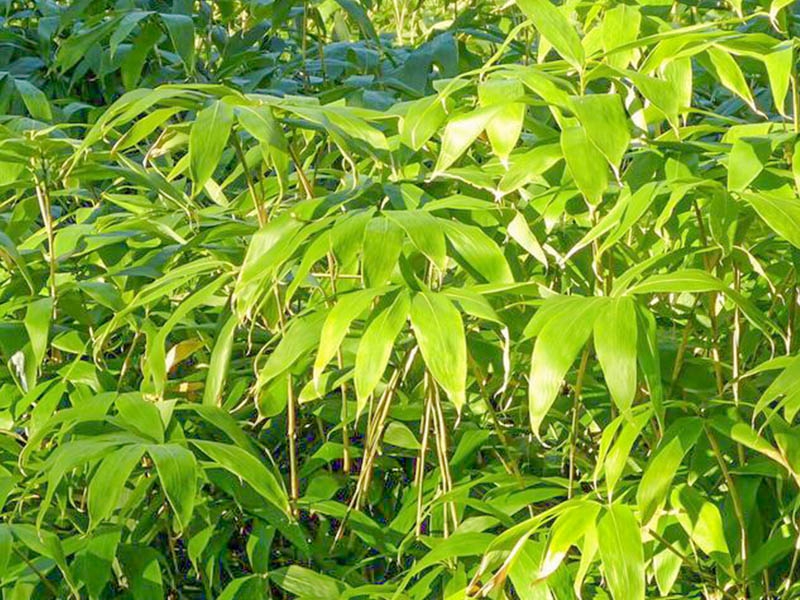
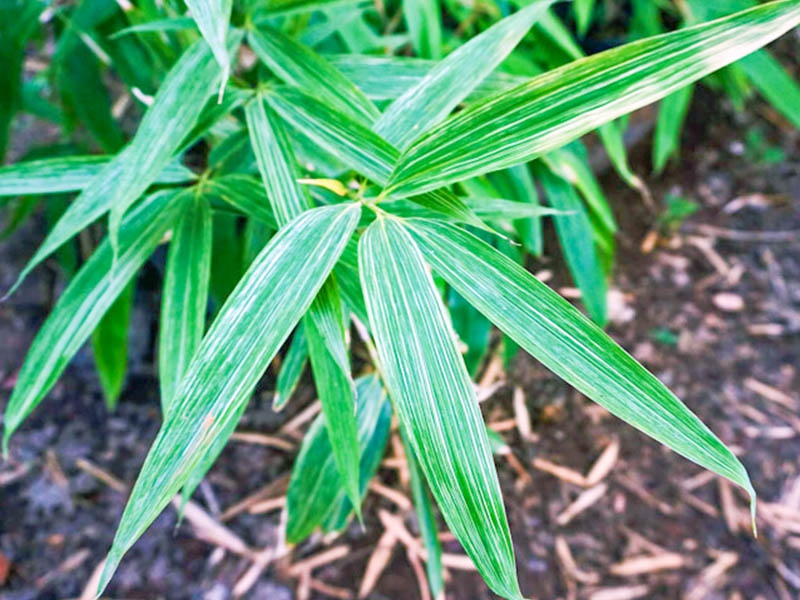
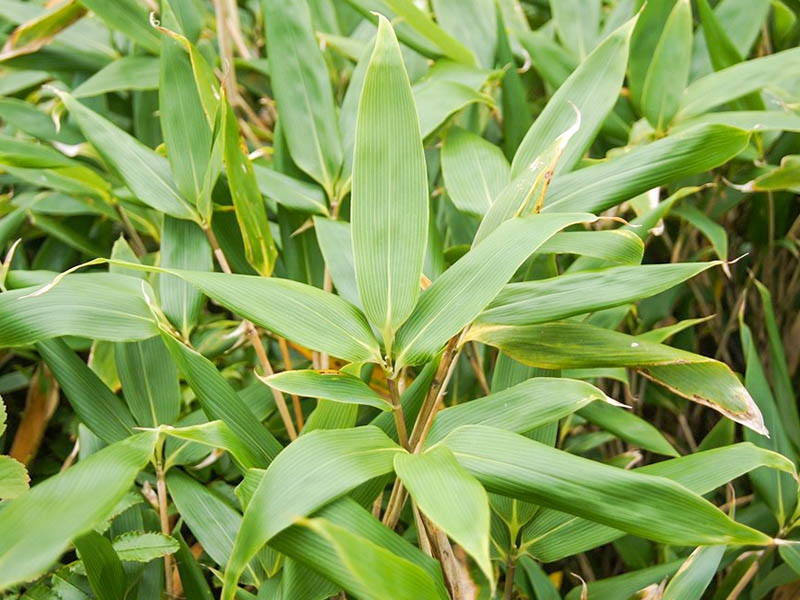
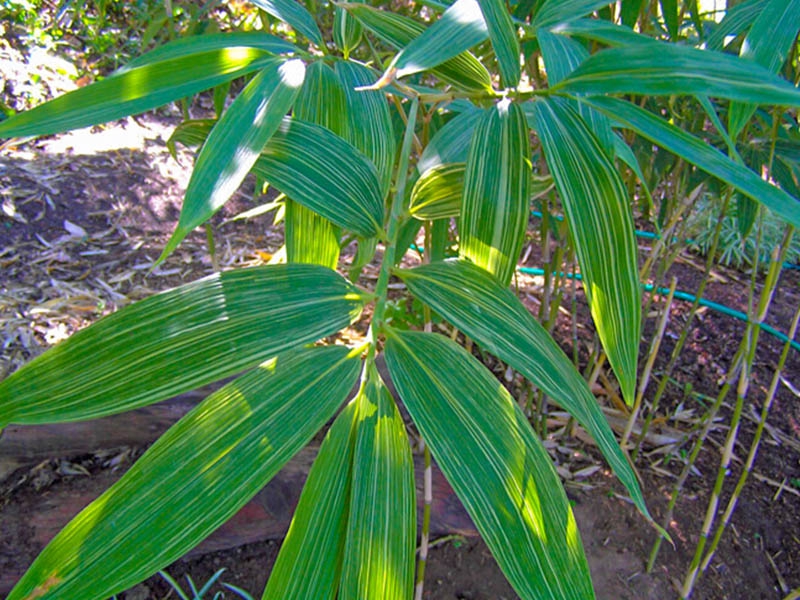
Sasa kurilensis has the following characteristics regarding growth, propagation, cultivation, garden uses, major pests and diseases, and control methods. Growth Characteristics - Habitat: Sasa kurilensis grows naturally in mountainous areas or coastal regions in cold climates. - Environmental Requirements: It thrives in partial shade and has good adaptability to temperature and humidity. - Growth Rate: It propagates rapidly and covers large areas. Propagation Methods - Seed Propagation: It can be propagated by seeds, but the timing and environmental conditions must be right. - Division Propagation: It can be easily propagated by root division. It is recommended to divide roots in spring or autumn. Cultivation Methods - Soil: Fertile soil that retains moisture well is ideal. - Watering: Water regularly, but avoid overwatering. - Care: Pruning regularly maintains its shape and promotes new growth. Garden Use - Landscape Creation: Its low profile makes it suitable for use as a boundary plant. - Shade Plant: Since it thrives in partial shade, it can be utilized in shaded gardens. Important Pests and Control Methods - Diseases: While generally resistant to disease, spots or mold may appear on the leaves. In such cases, it is recommended to remove diseased leaves and ensure good ventilation. - Pests: Aphids or scale insects may occur, which can be controlled using appropriate insecticides. - Prevention: Plant in a well-drained location and avoid overcrowding to maintain good air circulation. Under the right conditions, Sasa borealis can be an excellent component of your garden.
Plant Type
Plant Family
Poaceae
Height
2~5m
Spread
Colors
purple
Bloom Period
May
Water Needs
commonly
Exposure
Sunny
Freezing Resistance
-30°C
Jeju bamboo
Sasa quelpaertensis
bamboo
Sasa borealis