English
한국어
English
Español
中文
हिंदी
Home
News
Community
Dictionary
English
한국어
English
Español
中文
हिंदी
View list
Dume-bunchi
Saussurea tomentosa
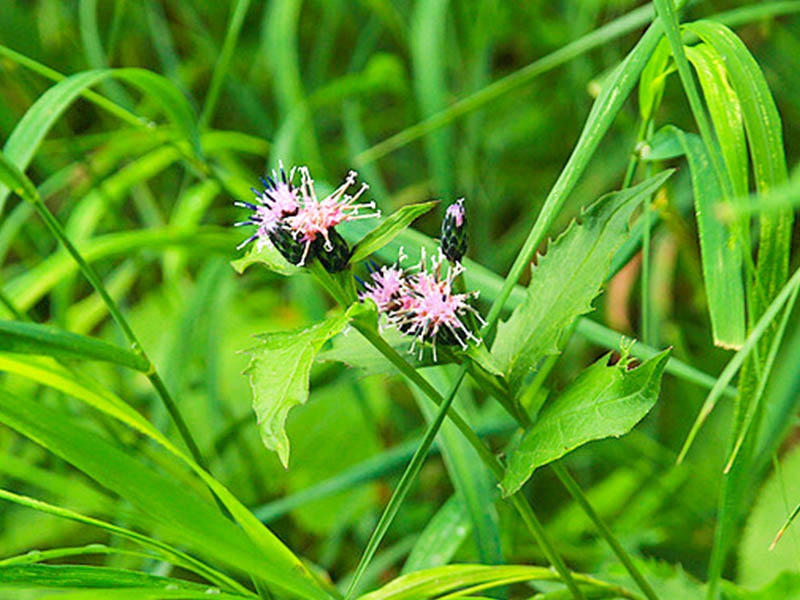
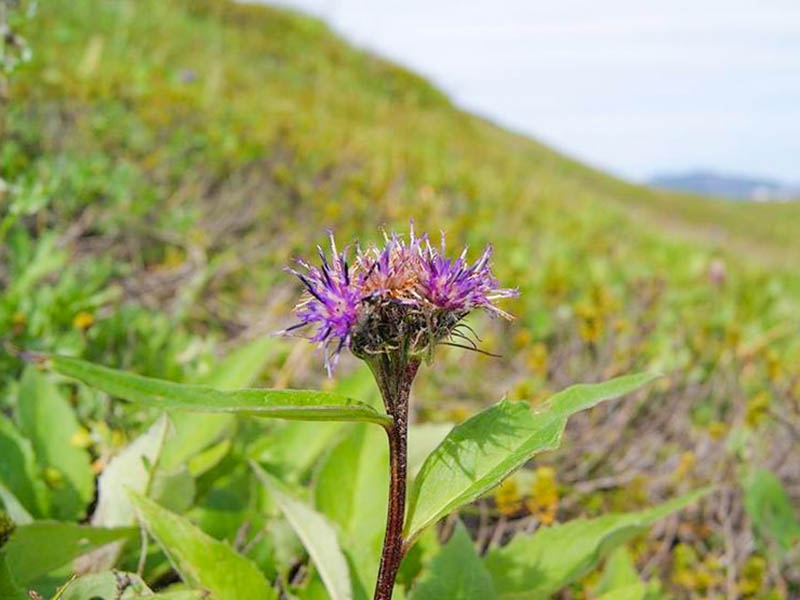
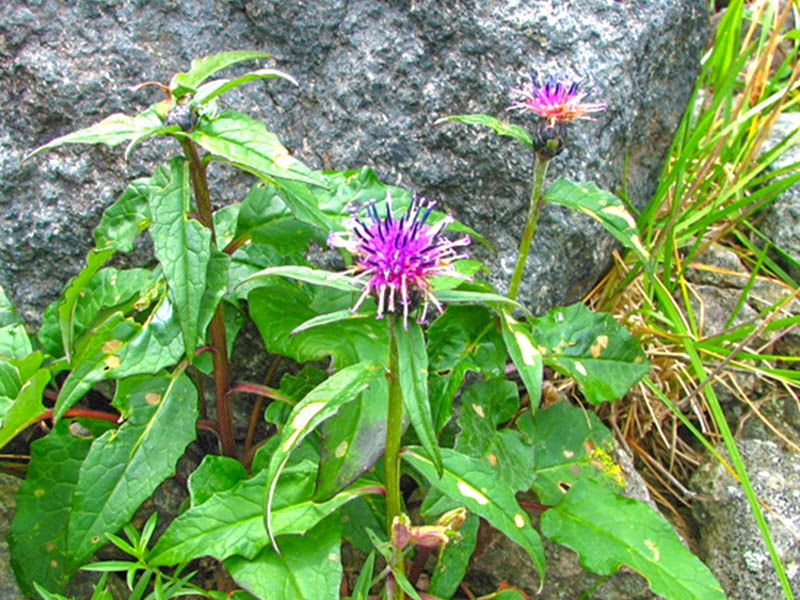
Saussurea tomentosa is a perennial herbaceous plant belonging to the Asteraceae family, primarily found growing in alpine zones in mountainous regions. The following outlines the growth characteristics, propagation methods, cultivation methods, garden uses, major pests and diseases, and control methods for Saussurea tomentosa. Growth Characteristics - Environment: Saussurea tomentosa prefers cool climates and well-drained soil. It is sensitive to high humidity and temperature, so proper ventilation is necessary. - Light: It thrives in partial shade, and direct, strong sunlight should be avoided. - Soil: It prefers acidic to neutral soil and exhibits good growth in soil rich in organic matter. Propagation Methods - Seed Propagation: Direct sowing of seeds in spring or autumn results in good germination. To increase the germination rate, it is recommended to soak the seeds in water for a few hours before sowing. - Division Propagation: It can be propagated by dividing the roots in spring or autumn. Dividing and planting the roots of a healthy individual allows it to grow into a new plant quickly. Cultivation Method - Plant in soil with proper drainage and provide ample space around the plant to ensure good air circulation. - Be careful not to overwater; water only when necessary to prevent root rot. - Once the growing season begins, provide an appropriate amount of organic fertilizer to promote healthy growth. Uses in the Garden - Alpine Aster is popular as an ornamental plant and looks great at garden edges or in rock gardens. - The unique shapes of its leaves and flowers harmonize with other plants, adding a natural atmosphere to the garden. Important Pests and Diseases & Control Methods - Diseases: Leaf spot or root rot may occur. These can be prevented by avoiding overwatering and ensuring good ventilation. Use an appropriate fungicide if disease occurs. - Pests: Certain insects (e.g., aphids) may appear. If pest infestation is severe, use organic insecticides for control. Regularly inspect the undersides of the leaves to take prompt action. - As such, Aster tataricus grows beautifully under proper environment and care, and can contribute to enhancing the aesthetic value of the garden.
Plant Type
Plant Family
Asteraceae
Height
10~20cm
Spread
Colors
red, purple
Bloom Period
August
Water Needs
commonly
Exposure
semi-shaded area
Freezing Resistance
-30°C
Tobacco intoxication
Saussurea conandrifolia
Guwachwi
Saussurea ussuriensis