English
한국어
English
Español
中文
हिंदी
Home
News
Community
Dictionary
English
한국어
English
Español
中文
हिंदी
View list
Sila Siberica
Scilla siberica
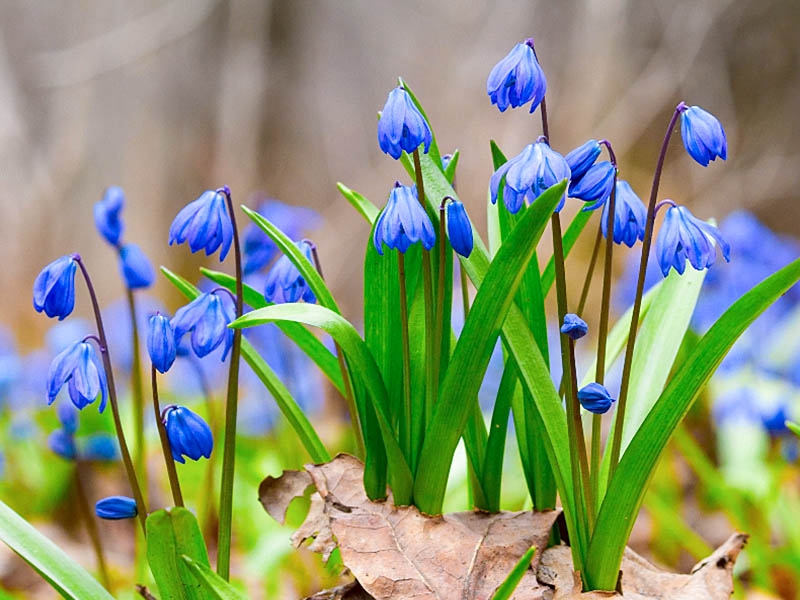
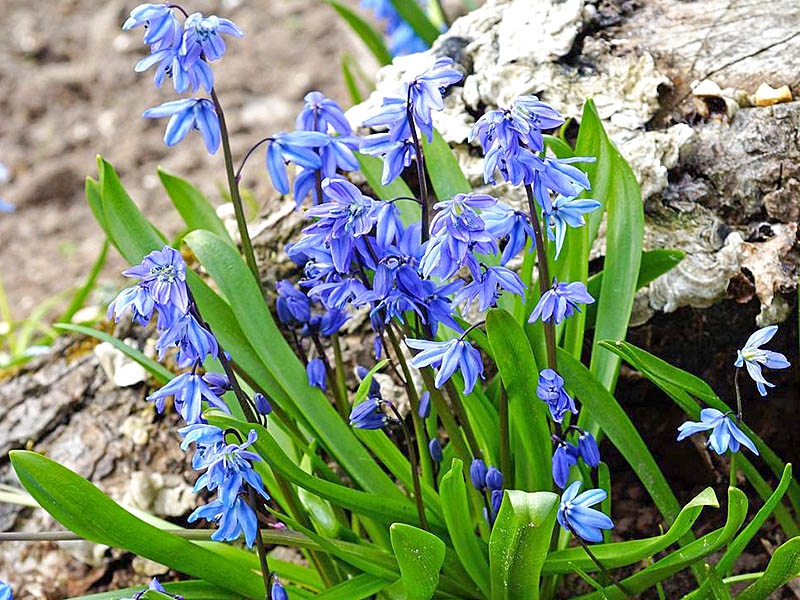
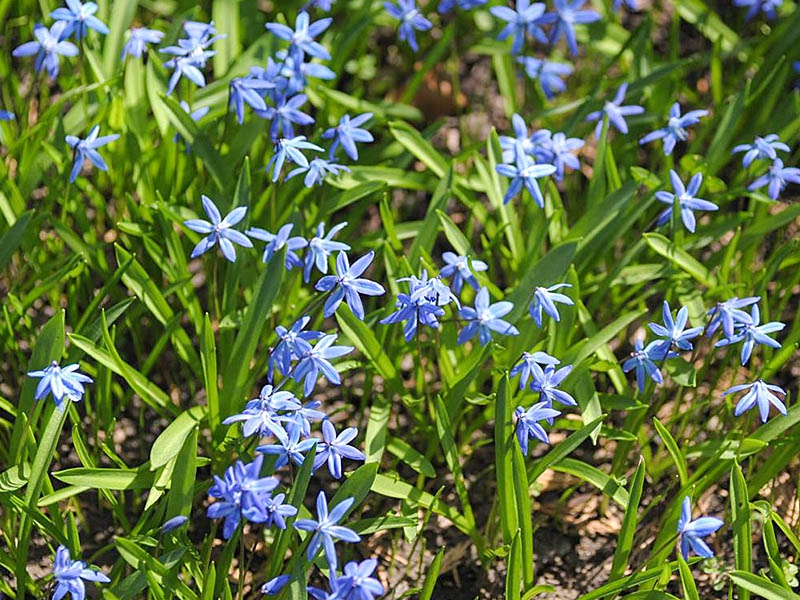
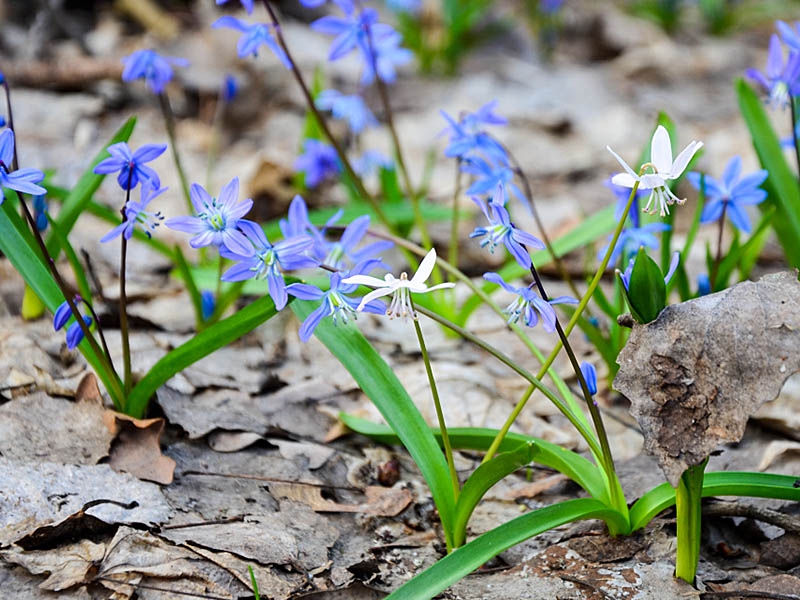
Scilla siberica is a Siberian blue starflower, a perennial plant that blooms with beautiful blue flowers in the spring. Growth CharacteristicsScilla siberica thrives primarily in well-drained, sunny locations or partial shade. It prefers a cool, warm climate; it enters dormancy during the winter and resumes growth in warmer temperatures in the spring. It grows to a height of approximately 10–20 cm and propagates via bulbs. Propagation MethodsIt is mainly propagated by separating bulbs. If planted in slightly moist soil in the autumn and left to survive the winter, it will bloom in the spring. It can also be propagated by seeds, but this process takes a long time. Cultivation Methods- Soil: Use high-quality, well-draining soil. - Planting: Plant bulbs in the autumn at a depth of about 8 cm and spaced 5 cm apart. - Watering: Be careful of overwatering and water only when necessary. - Temperature: It requires warm temperatures in the spring and tolerates low temperatures during its winter dormancy. Uses in the GardenDecorating garden edges or planting it naturally in lawns creates a beautiful spring landscape. In particular, planting it mixed with other bulbous plants allows you to enjoy a variety of color combinations. Important Pests and Control MethodsMajor pests include aphids and snails; it is important to detect and control them early through periodic observation. - Aphids: Can be removed with soapy water or organic insecticides. - Snails: Remove them by hand or use attractants. Since Silla siberica blooms naturally every year once planted, it is a suitable plant for adding vitality to your garden.
Plant Type
Plant Family
Broom family
Height
7~15cm
Spread
7~15cm
Colors
blue
Bloom Period
March to April
Water Needs
commonly
Exposure
Sunny
Freezing Resistance
-40°C
Silla 'Alba'
Scilla siberica 'Alba'
Sila Peruviana
Scilla peruviana