English
한국어
English
Español
中文
हिंदी
Home
News
Community
Dictionary
English
한국어
English
Español
中文
हिंदी
View list
Sila sardensis
Scilla sardensis
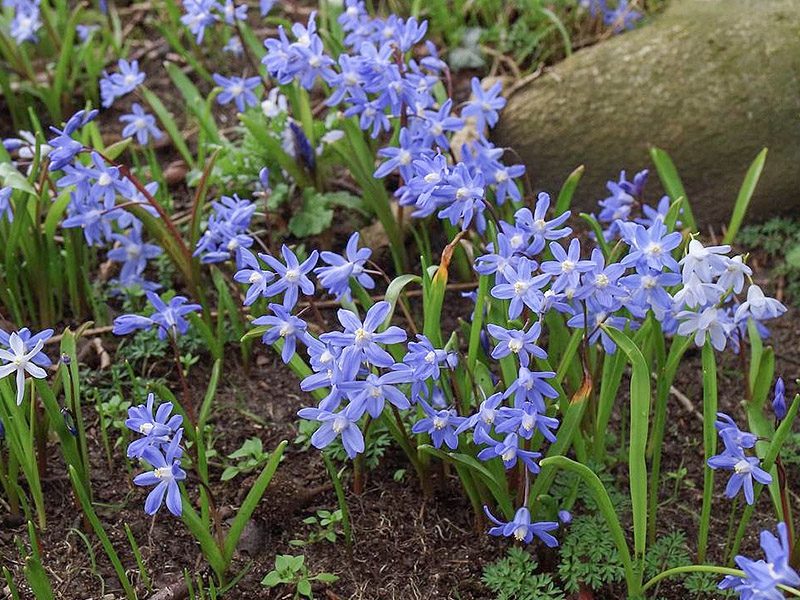
Scilla sardensis is a perennial bulbous plant that produces beautiful blue flowers, typically blooming in early spring. Native to the Mediterranean region, it prefers partial shade and thrives in well-drained soil. Growth Characteristics- It generally grows to a height of 10–20 cm. - The flower heads are small, blue, and bell-shaped. - It possesses strong cold tolerance and can withstand cold winters. Propagation Methods- It is primarily propagated by bulb division. Bulbs can be collected and propagated during the summer dormancy period. - It can also be propagated by seeds, but it may take a long time for them to bloom. Cultivation Methods- Autumn is generally the most suitable time for planting. - It grows well in partial shade with partial sunlight and requires well-drained soil. - Adding compost or organic fertilizer to the soil before planting aids in growth. - Water moderately, but avoid overwatering. Use in the Garden - The beautiful early spring flowers add vitality to the garden, making it well-suited for spring flower beds or rock gardens. - It is suitable for mass planting in areas where early spring flowers are needed. Important Pests and Control Methods - It is generally resistant to pests and diseases, but fungal diseases may occur in humid conditions. - To prevent fungal diseases, plant in a well-ventilated location and ensure good drainage. - If pests or diseases appear, remove infected leaves or bulbs, and use appropriate pesticides if necessary. Silea sardensis is a relatively easy-to-care-for plant that can be an excellent addition to the garden by providing beautiful flowers in the spring.
Plant Type
Plant Family
Broom family
Height
10~20cm
Spread
2~5cm
Colors
blue
Bloom Period
March to April
Water Needs
commonly
Exposure
Sunny
Freezing Resistance
-10°C
Sheila Ritter-A
Scilla litardierei
Silla 'Rozea'
Scilla bifolia 'Rosea'