English
한국어
English
Español
中文
हिंदी
Home
News
Community
Dictionary
English
한국어
English
Español
中文
हिंदी
View list
Sila Bipolia
Scilla bifolia
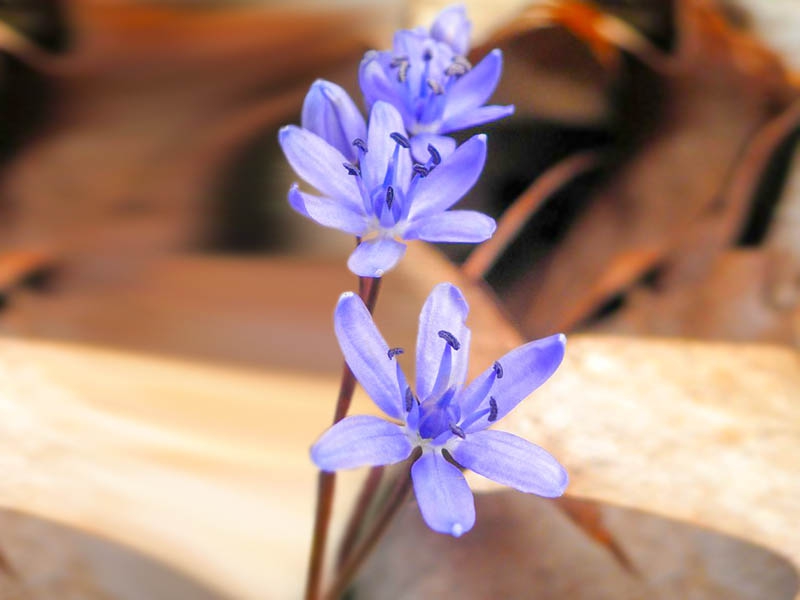
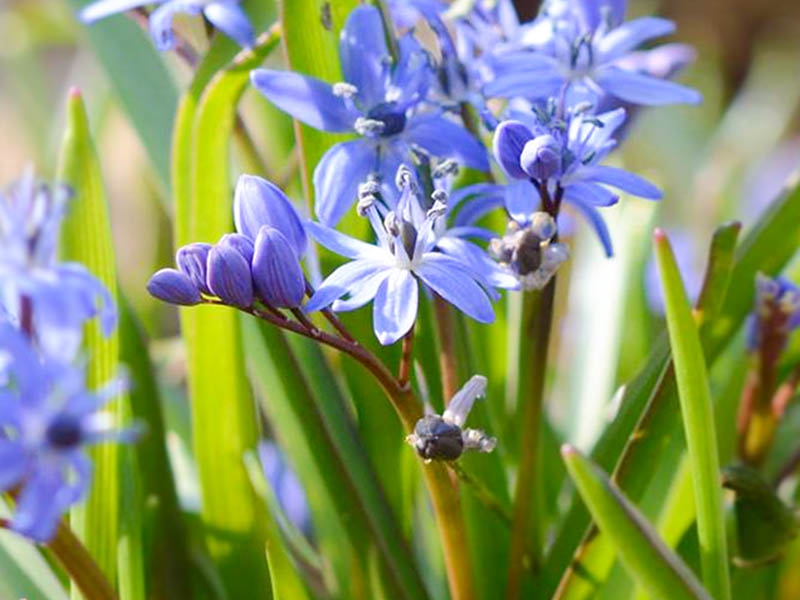
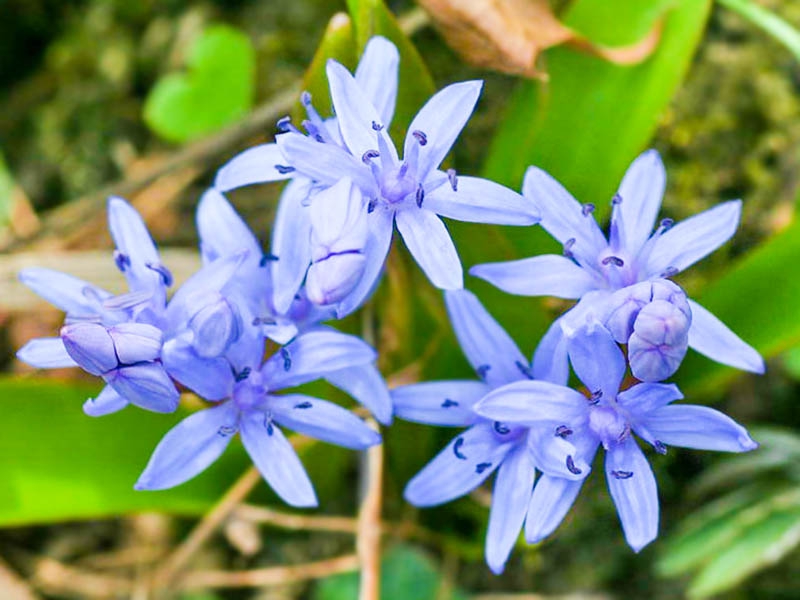
Scilla bifolia is a perennial bulbous plant that grows primarily in Europe and West Asia. The following is information regarding the plant's growth characteristics, propagation methods, cultivation techniques, garden uses, and major pests and diseases, as well as control methods. Growth Characteristics - Size: It grows to a height of approximately 10–20 cm and possesses small tubers. - Flowers: Small, pale blue or pink flowers bloom between February and April. Flowers usually grow in clusters of 2 to 10. - Leaves: Two or three narrow, elongated leaves emerge at the same time as the flowers. - Environment: It thrives in partial shade and prefers well-drained soil. Propagation Methods - Seed Propagation: It propagates by self-germinating seeds that fall naturally after the flowers have faded. While the germination rate is not high, there is a possibility of self-propagation. - Bulb Division: It can be propagated by dividing the bulbs in spring or autumn. Carefully dig up the bulbs from the ground and plant them in a new location. Cultivation Method - Soil: Well-drained humus soil is suitable. - Watering: Water to maintain consistent moisture during the growing season, and water less during the summer dormancy period. - Sunlight: Prefers partial shade, but can grow in moderate sunlight. - Fertilizer: Applying an appropriate amount of compound fertilizer in the spring helps with flowering. Garden Uses - Silla bifolia is useful for creating a natural and wild garden atmosphere. Planting it at the edge of a lawn or under trees provides a natural feel. - Planting it in small clusters creates an even more beautiful landscape. Major Pests and Control Methods - Diseases: There are no specific diseases, but fungal diseases may occur if there is too much moisture. Pay attention to drainage. - Pests: Generally, there are no serious pests, but damage from snails or aphids may occur rarely. - Pest Control: Snails can be controlled by removing them directly or using attractants. Aphids can be removed by using organic insecticides or spraying with soapy water. With these characteristics and care methods, Silla bifolia is one of the beautiful and easy-to-grow plants in the garden.
Plant Type
Plant Family
Broom family
Height
7~15cm
Spread
7~10cm
Colors
blue
Bloom Period
March to April
Water Needs
commonly
Exposure
Sunny
Freezing Resistance
-15°C
Silla 'Rozea'
Scilla bifolia 'Rosea'
Scindapsus 'Argyraius'
Scindapsus pictus 'Argyraeus'