English
한국어
English
Español
中文
हिंदी
Home
News
Community
Dictionary
English
한국어
English
Español
中文
हिंदी
View list
bellflower
Scirpus wichurae
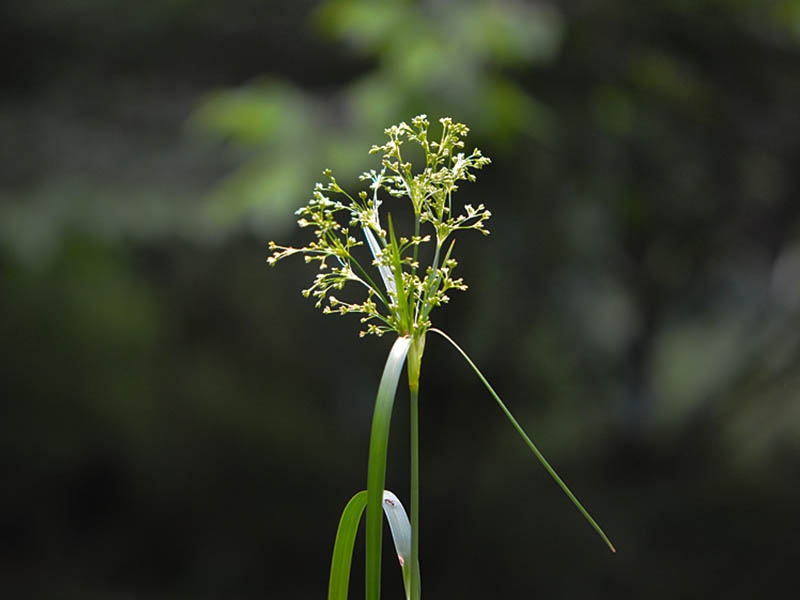
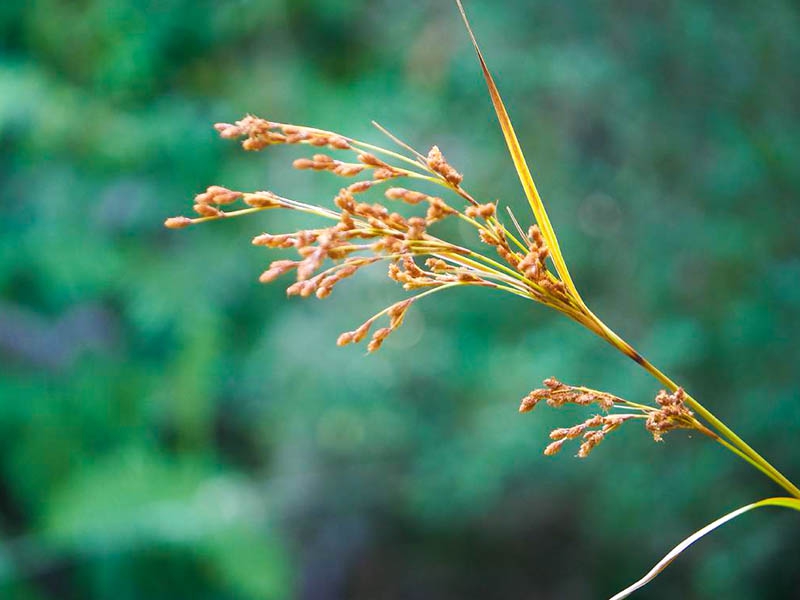
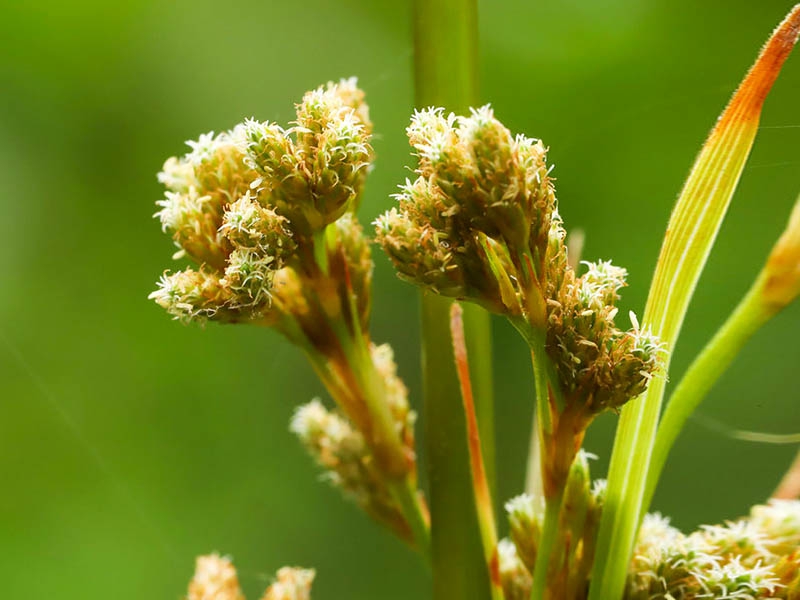
The growth characteristics, propagation methods, cultivation methods, garden uses, major pests and diseases, and control methods for Scirpus wichurae are as follows: Growth Characteristics Scirpus wichurae is a plant that primarily grows in wetlands or near water and requires a moderate amount of moisture. It thrives in full sun and partial shade, reaching a height of approximately 30 to 60 cm. The leaves are linear, elongated, and green. Propagation Methods Seed Propagation: Scirpus wichurae can be propagated by seeds. Seeds are sown in autumn or spring to germinate. Division Propagation: It is also possible to propagate by dividing the roots into multiple parts. This method is mainly practiced in the spring. Cultivation Methods - Soil: It thrives in well-drained, moist soil. - Watering: Consistent watering is necessary to prevent the soil from drying out. - Temperature: It prefers a warm climate, so care must be taken regarding cold temperatures or frost. 4. Fertilizer: Generally, it does not require much fertilizer, but it is beneficial to apply a light fertilizer during the growing season. Uses in the GardenDue to its preference for moisture, it is primarily used around ponds or in aquatic gardens. It can also be used as a ground cover in shaded gardens. Important Pests and Control Methods While sedges are relatively resistant to pests and diseases, they may rarely be attacked by aphids or snails. - Aphids: Can be removed using soapy water or oil sprays. - Snails: Use snail repellent products or remove them manually. By referring to the methods above, you can grow and manage healthy sedges.
Plant Type
Plant Family
Cyperaceae
Height
1~1.5m
Spread
Colors
yellow
Bloom Period
August to October
Water Needs
well
Exposure
Sunny
Freezing Resistance
-20°C
Scindapsus 'Argyraius'
Scindapsus pictus 'Argyraeus'
Songi sedge
Schoenoplectiella triangulata