English
한국어
English
Español
中文
हिंदी
Home
News
Community
Dictionary
English
한국어
English
Español
中文
हिंदी
View list
large snail
Bolboschoenus fluviatilis
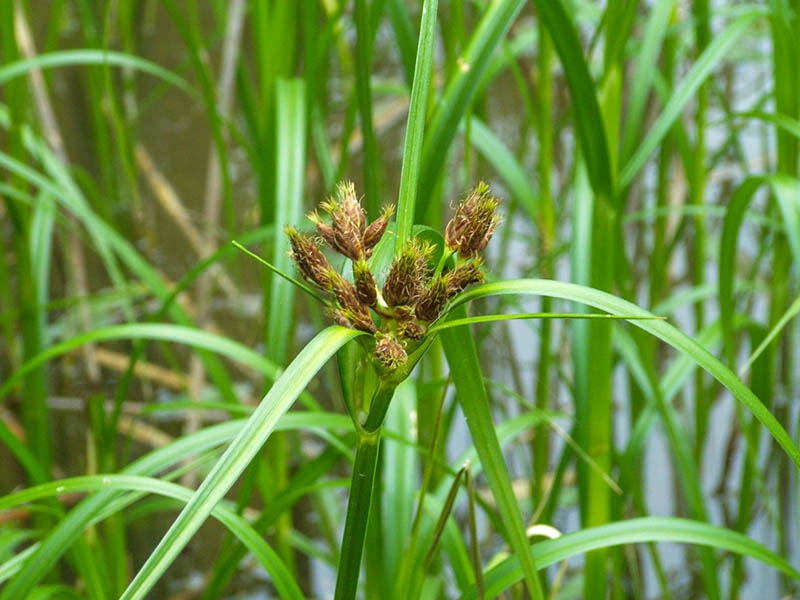
Bolboschoenus fluviatilis is a perennial herbaceous plant that grows primarily in wetlands or along water's edge. This plant possesses the following growth characteristics and propagation methods: Growth Characteristics - Environment: Bolboschoenus fluviatilis thrives in moist environments such as water's edge or wetlands. It is frequently found in waterlogged swamps or at the edges of lakes. - Height: This plant typically grows to a height of 0.5m to 1.5m, though this can vary depending on the environment. - Leaves: The leaves are slender and long, emerging directly from the stem. They are green in color. - Flowers: It produces brown flowers in small clusters during the summer. Propagation Methods - Seed Propagation: While Bolboschoenus fluviatilis reproduces via seeds, it is more common to propagate primarily through rhizomes (underground tubers). - Vegetative Propagation: Rhizomes spread in various directions, forming new individuals. In this way, Bolboschoenus fluviatilis can effectively form colonies. Cultivation Method - Soil: It prefers well-drained, moist soil. It grows well in areas where water collects slightly, but excessive water can actually inhibit growth. - Sunlight: It thrives best in sunny locations. It can grow in partial shade, but the growth rate may be reduced. - Planting: Spring or autumn is suitable for planting; divide the root tubers for planting. Uses in the Garden - Ecological Restoration: Sorbus aucuparia is widely used in wetland restoration projects. Planting it near water or at the edges of wetlands helps stabilize the soil. - Ornamental: Its leaves and stems have beautiful shapes, making it valuable for ornamental purposes. Major Pests and Diseases & Control Methods - Pests and Diseases: Sorbus aucuparia is a relatively resistant plant to pests and diseases, and it is generally free from specific pests. - Control Methods: Healthy growth can be maintained through general garden care and periodic observation. If necessary, pests can be controlled using physical methods or eco-friendly pesticides. Based on this information, you can effectively cultivate and utilize large sedges.
Plant Type
Plant Family
Cyperaceae
Height
80~150cm
Spread
Colors
green
Bloom Period
July to October
Water Needs
well
Exposure
Sunny
Freezing Resistance
-20°C
pine cone sedge
Scirpus karuisawensis
Donggang Goryeong
Trichophorum polygamum