English
한국어
English
Español
中文
हिंदी
Home
News
Community
Dictionary
English
한국어
English
Español
中文
हिंदी
View list
Thorn Stream
Scleria rugosa
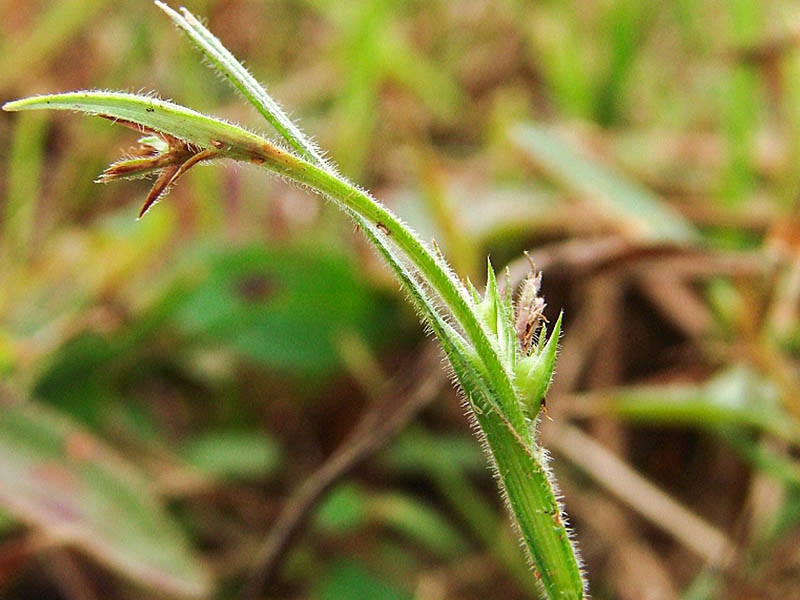
Scleria rugosa is a perennial plant that thrives in moist environments, such as wetlands or forest edges. The following is information regarding the plant's growth characteristics, propagation methods, cultivation methods, garden uses, and control of important pests and diseases. - Growth Characteristics: Scleria rugosa grows well in moderately moist soil with adequate sunlight. It features elongated leaves with a trifoliate structure and is characterized by small flowers. It grows rapidly in moist, fertile soil and can reach a height of approximately 30 to 100 cm. - Propagation Methods: It is primarily propagated by seeds; mature seeds are harvested and sown. Division is also possible, but this method is best performed in early spring or late autumn. - Cultivation Methods: Soil that retains moisture well is suitable, and selecting a location with good drainage is essential. You must create a healthy growing environment through regular watering and weed removal. It is recommended to provide organic fertilizer in early spring. - Use in the Garden: It can be planted in wetlands or semi-shaded areas of the garden to create a wetland ecosystem. It forms a natural landscape and is used in harmony with other wetland plants. - Major Pests and Control Methods: There are no particularly serious pests or diseases, but care must be taken to prevent root rot caused by excessive moisture. Overwatering can be prevented by improving drainage and avoiding excessive watering. Damage caused by insects is minimal, but eco-friendly insecticides can be used if necessary. Based on this information, you will be able to effectively cultivate and manage Spiny-tailed Sedum.
Plant Type
Plant Family
Cyperaceae
Height
10~25cm
Spread
Colors
green
Bloom Period
August to October
Water Needs
commonly
Exposure
Sunny
Freezing Resistance
-10°C
small pine cone sedge
Scirpus fuirenoides
Baby Deoksan grass
Scleria pergracilis