English
한국어
English
Español
中文
हिंदी
Home
News
Community
Dictionary
English
한국어
English
Español
中文
हिंदी
View list
figwort
Scrophularia buergeriana
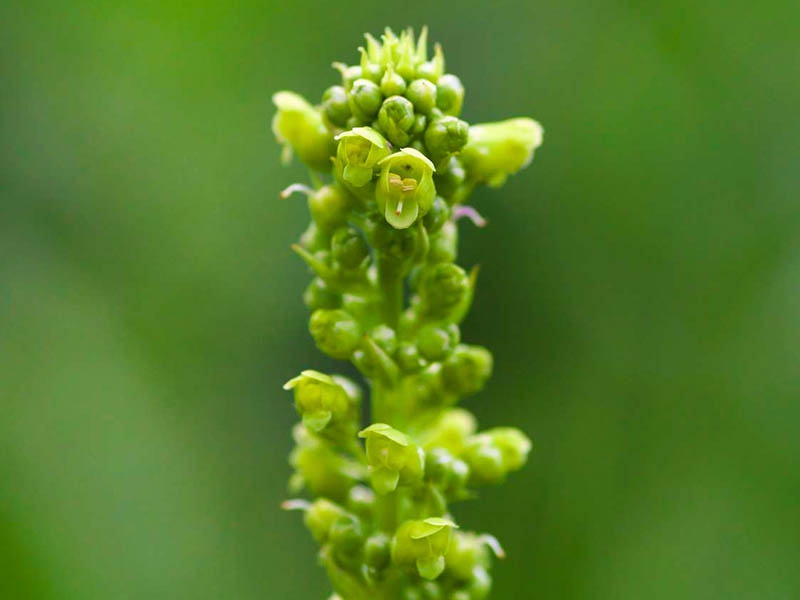
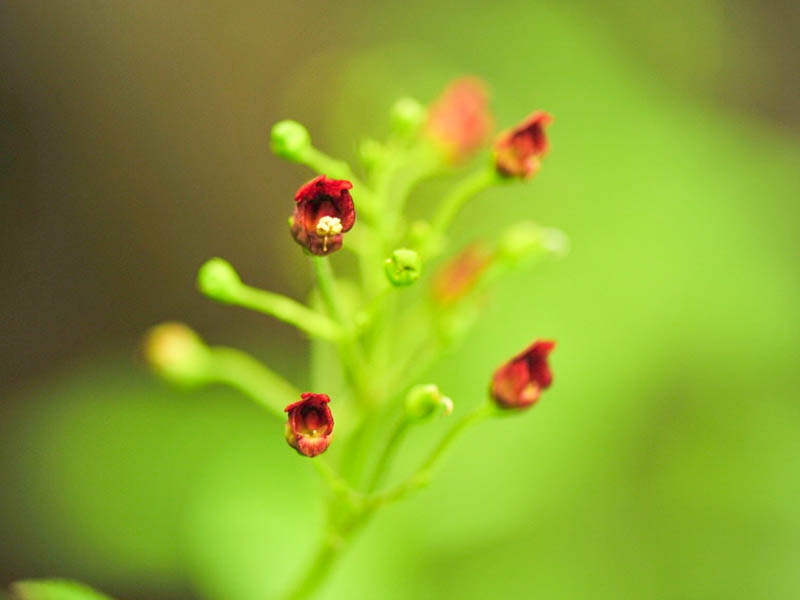
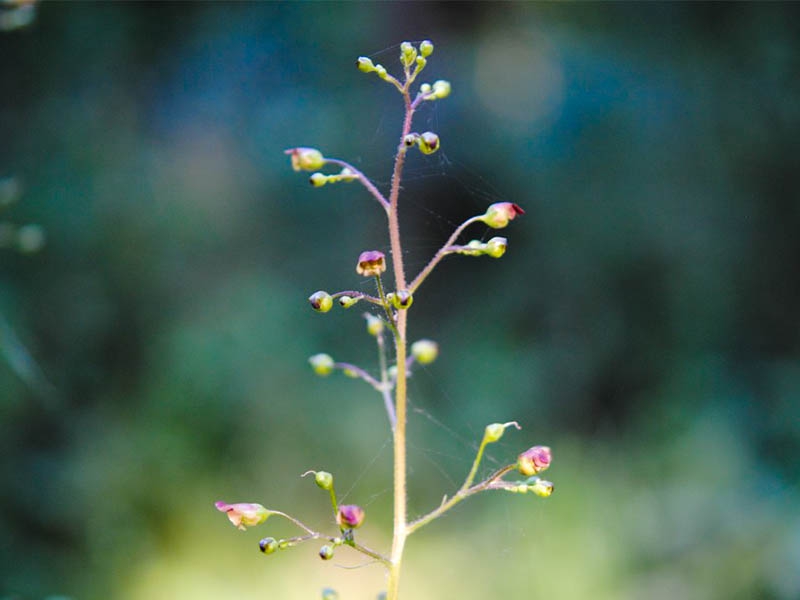
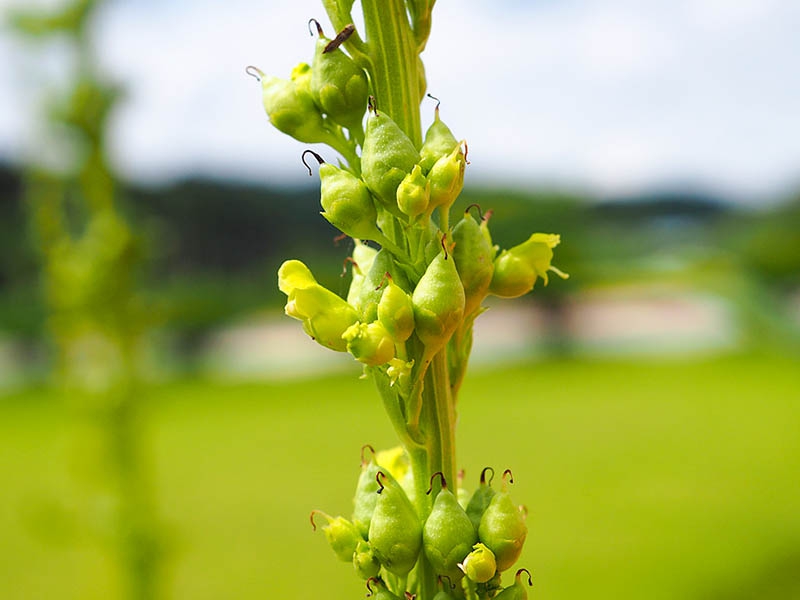
Scrophularia buergeriana is a perennial herbaceous plant belonging to the Scrophulariaceae family. Below, we describe the growth characteristics, propagation methods, cultivation methods, garden uses, major pests and diseases, and control methods for this plant. Growth Characteristics - Distribution: It grows wild in Asia, particularly in temperate regions such as Korea, China, and Japan. - Morphology: The stems are erect and typically reach a height of 50 to 100 cm. The leaves are oval or ovate, arranged opposite each other, and have serrated edges. - Flowers: Flowers bloom in the summer; small green or purplish flowers are clustered in conical inflorescences at the tips of the stems. Propagation Methods - Seed Propagation: It can be propagated by seeds. Mature seeds are collected in the autumn and sown the following spring. - Division Propagation: It can be propagated by root division. This is mainly done in the spring or autumn, and the plant can be easily separated once it matures. Cultivation Method - Soil: Well-drained sandy loam is suitable. - Sunlight: It grows well in partial shade, but growth is more vigorous when receiving sufficient sunlight. - Watering: Be careful not to overwater; water when the soil surface dries out. It is especially important to provide sufficient water during the summer. - Fertilizer: It is recommended to apply general compound fertilizer in spring and early summer. Uses in the Garden - Ornamental: Its distinctive leaf shape and flower color make it excellent for garden decoration. Planting it along the edges or in the middle of flower beds creates a beautiful landscape. - Ecological Value: It helps the ecosystem by attracting various insects. Major Pests and Diseases & Control Methods - Diseases: It may be susceptible to diseases such as leaf blight or root rot. These diseases primarily occur in environments with excessive moisture or poor ventilation. - Control Methods: Promptly remove diseased parts and maintain good drainage and ventilation. Use fungicides if necessary. - Pests: Pests such as aphids or moths may occur. - Control Methods: When pests are spotted, remove them immediately by physical means or use natural insecticides. Scilla buergeriana is a plant that is relatively easy to care for, making it suitable for beginners to cultivate. When used in the garden, it is very helpful in creating a natural atmosphere.
Plant Type
Plant Family
Scrophulariaceae
Height
80~150cm
Spread
Colors
yellow
Bloom Period
August~September
Water Needs
commonly
Exposure
semi-shaded area
Freezing Resistance
-15°C
Keungaehyeonsam
Scrophularia kakudensis
Seomgaehyeonsam
Scrophularia takesimensis