English
한국어
English
Español
中文
हिंदी
Home
News
Community
Dictionary
English
한국어
English
Español
中文
हिंदी
View list
Thimble flower
Scutellaria indica
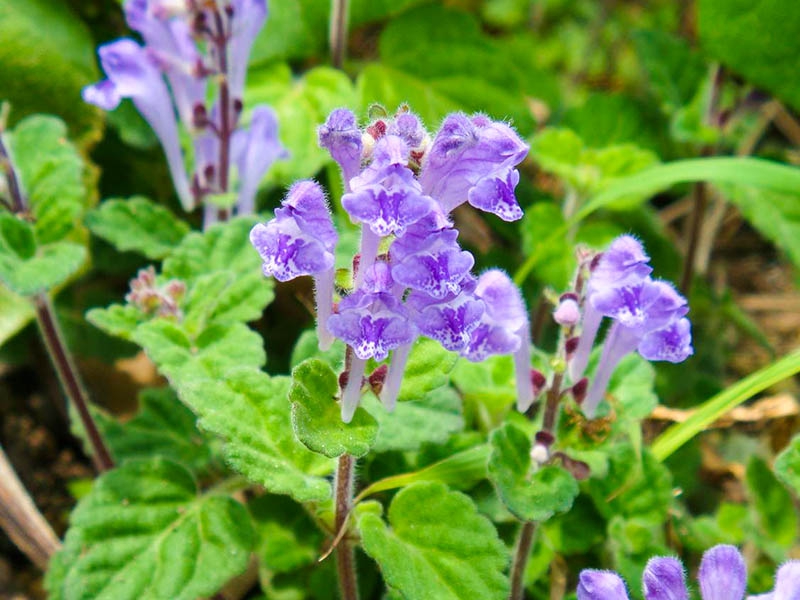
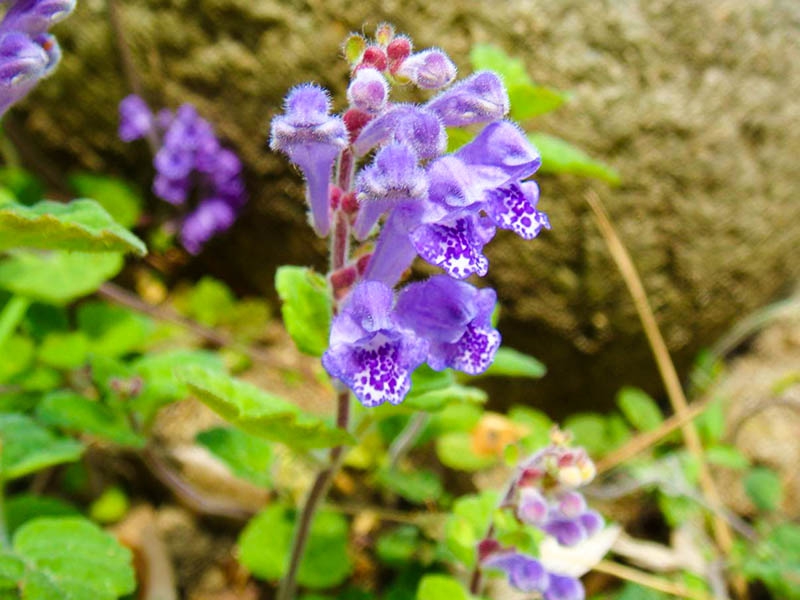
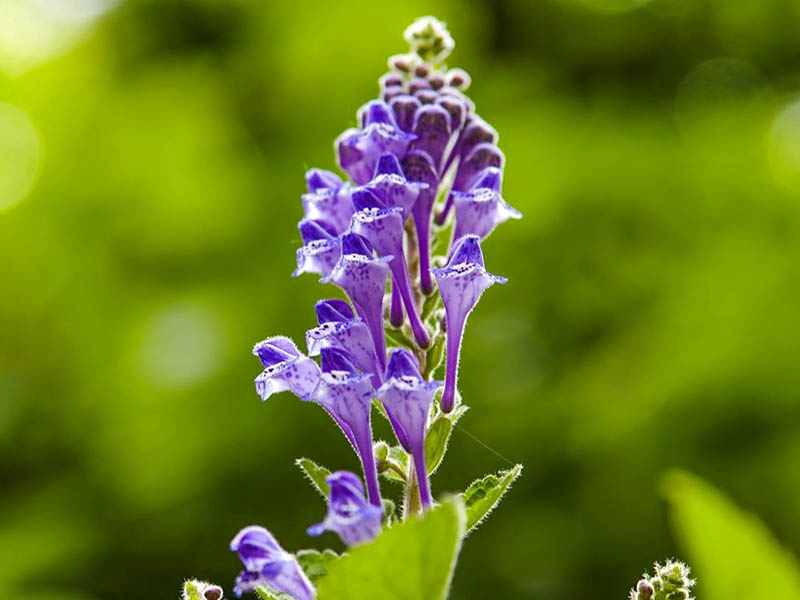
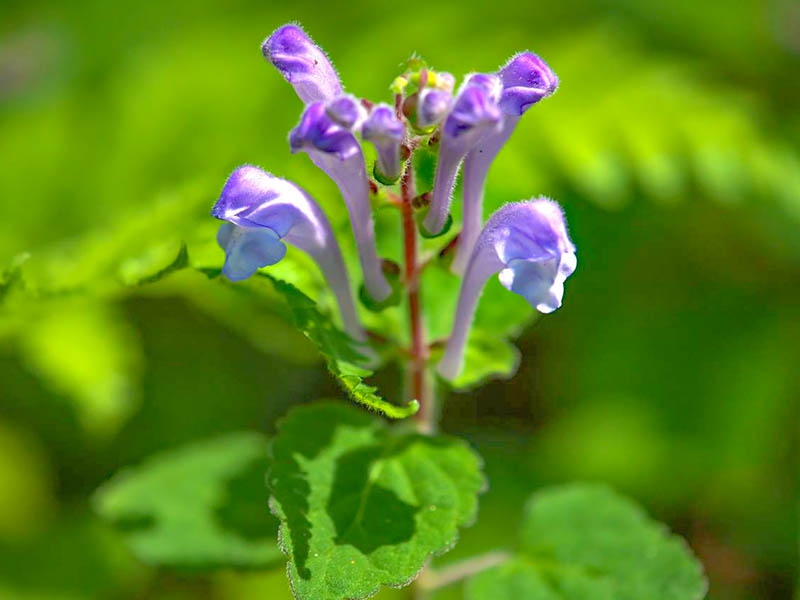
Scutellaria indica is a perennial herbaceous plant native primarily to Asia. Its growth characteristics, propagation methods, cultivation methods, garden uses, and pest and disease management are as follows: Growth Characteristics - Ecology: It thrives in shade and reaches a height of approximately 30 to 60 cm. - Leaves and Flowers: The leaves are broadly oval with smooth margins. The flowers are purple or blue and bloom between June and August. Propagation Methods - Seed Propagation: It can be propagated by seeds; direct sowing in the spring or root covering can induce germination. - Division Propagation: The plant can be propagated by dividing it, which is possible in spring or autumn. Cultivation Methods - Soil: It grows well in well-drained soil. - Watering: Continuous water supply is important; ensure the soil does not become too dry. - Fertilizer: Provide nutrients using general chemical fertilizers or organic matter. Use in the Garden - Landscape Beauty: Its unique flower shape and color serve as a decorative element in the garden. - Shade Planting: It is a suitable plant for planting under trees or in shady locations. Important Pests and Control Methods - Diseases: While it generally grows healthily, care must be taken for fungal diseases in humid environments. This can be prevented by ensuring good drainage. - Pests: It may be damaged by scale insects or aphids; to prevent this, natural predators or eco-friendly insecticides can be used. Thimbledum indica is relatively easy to care for and is a plant that can create a natural and beautiful atmosphere in the garden. Please pay attention to maintaining an appropriate environment for healthy growth.
Plant Type
Plant Family
Lamiaceae
Height
30cm
Spread
Colors
purple
Bloom Period
May~June
Water Needs
commonly
Exposure
semi-shaded area
Freezing Resistance
-10°C
Cotyledon
Scutellaria indica var. tsusimensis
gold
Scutellaria baicalensis