English
한국어
English
Español
中文
हिंदी
Home
News
Community
Dictionary
English
한국어
English
Español
中文
हिंदी
View list
Cervus chinensis
Scutellaria barbata
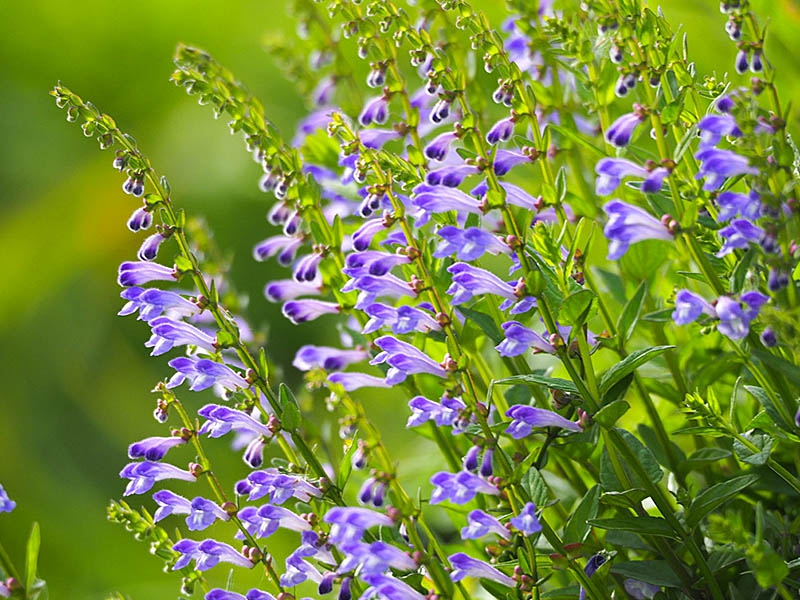
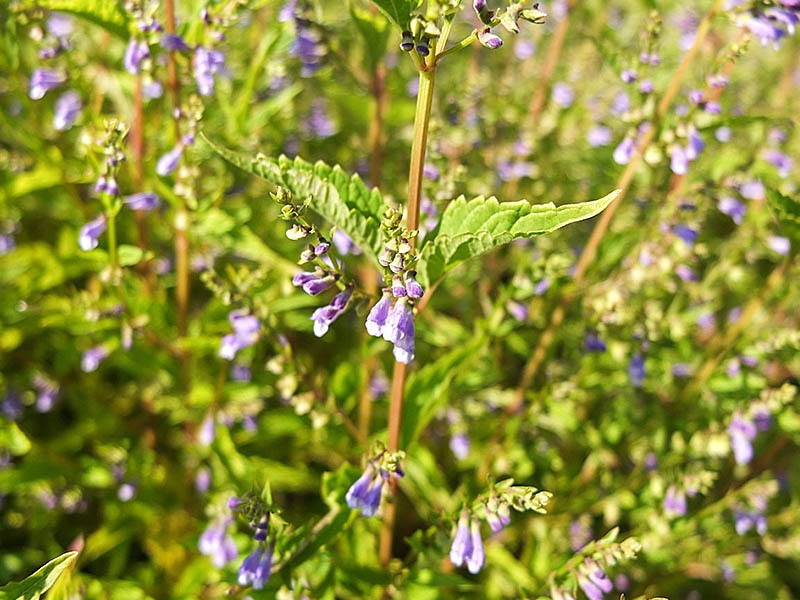
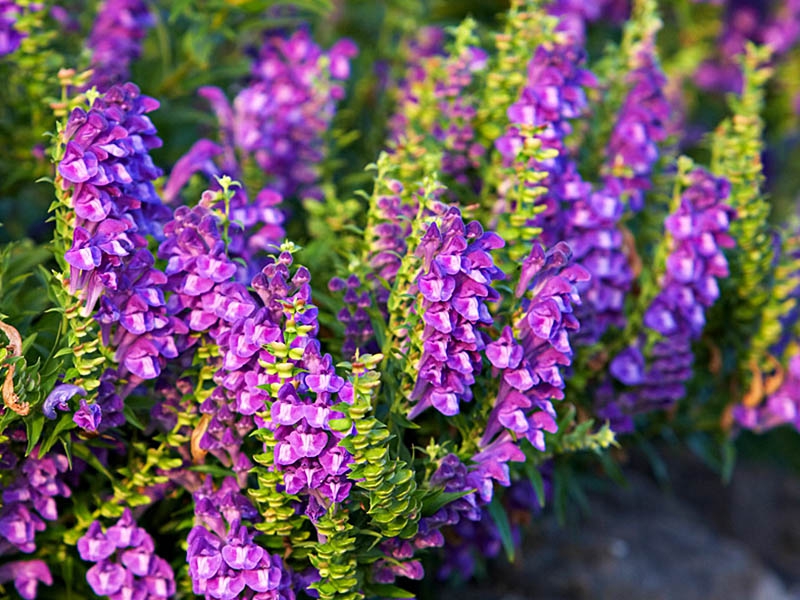
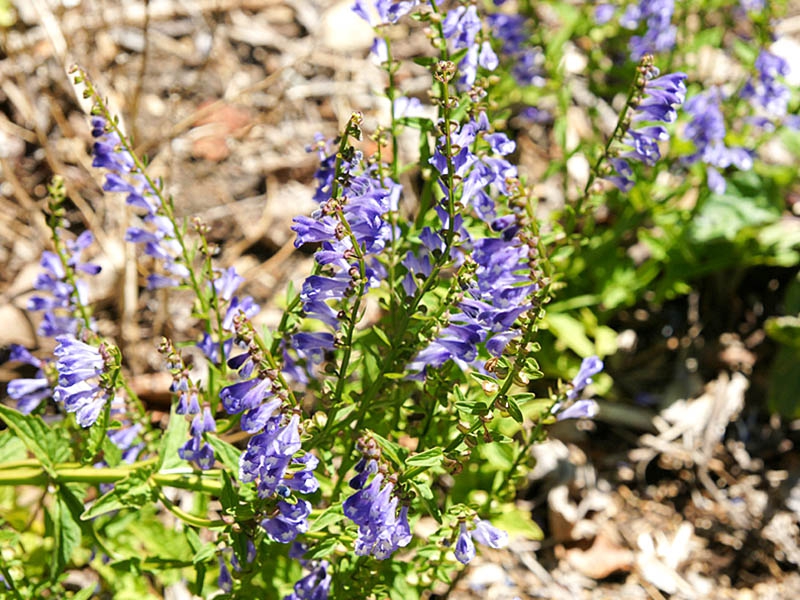
Growth Characteristics of Scutellaria barbata Scutellaria barbata is a perennial herbaceous plant belonging to the Lamiaceae family, primarily found in warm regions of Asia. This plant grows to a height of approximately 30 to 50 cm, and its leaves are ovate or elliptical with serrated margins. Small, beautiful purple flowers bloom during the summer, and it thrives in sunny locations. Propagation Methods It is primarily propagated by seeds, and it is best to sow them in spring or autumn. Simply scatter the seeds on the soil surface and cover them with a light layer of soil. For cutting propagation, you can cut stems in spring or early summer and root them by placing them in water or sand. Cultivation Methods It grows well in well-drained soil and prefers acidic or neutral soil. It should be cultivated in a location with good drainage, and it is recommended to water only when the soil dries out. Although it grows well in partial shade, it blooms better in sunny environments. Uses in the GardenBecause of its small, beautiful flowers and unique leaf shape, Clematis var. barbatus is excellent for use as a border plant in gardens. Its low stature and bushy form allow it to serve as ground cover, and it is also suitable for growing in flowerbeds or pots. Important Pests and Control MethodsMajor pests include aphids and powdery mildew. Aphids appear in early spring and damage the plant's leaves and stems. To control them, it is recommended to periodically mist the plant to wash it or use natural insecticides. Powdery mildew thrives in humid environments, so be careful when watering; ideally, water in the morning to allow the leaves to dry quickly and ensure good air circulation. When these pests occur, it is effective to immediately remove the affected parts and spray with a fungicide.
Plant Type
Plant Family
Lamiaceae
Height
12~35cm
Spread
Colors
purple
Bloom Period
June to August
Water Needs
commonly
Exposure
Sunny
Freezing Resistance
-10°C
Thimbleweed
Scutellaria pekinensis var. alpina
Buncheong thimble
Scutellaria asperiflora