English
한국어
English
Español
中文
हिंदी
Home
News
Community
Dictionary
English
한국어
English
Español
中文
हिंदी
View list
rye
Secale cereale
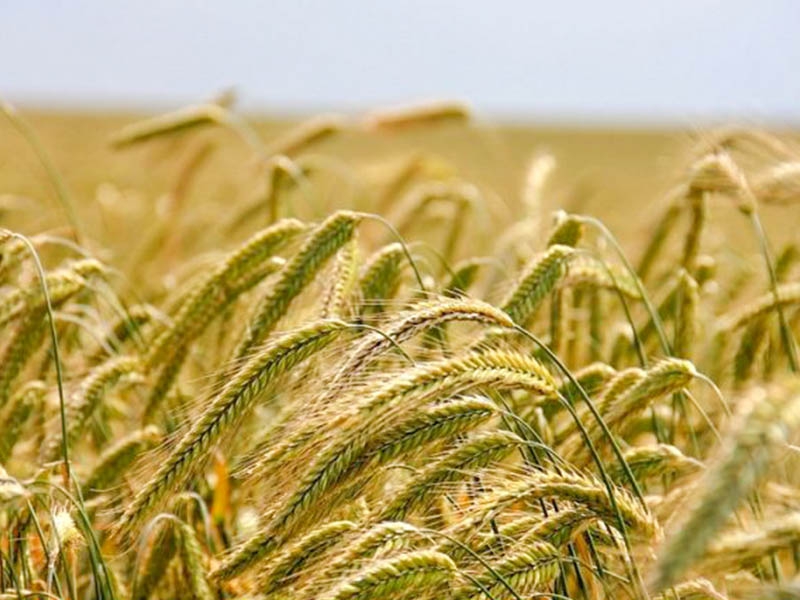
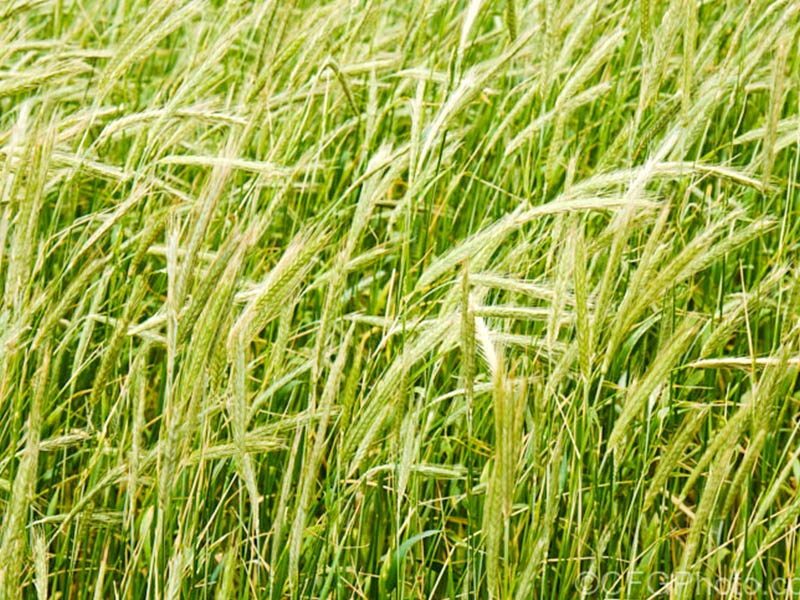
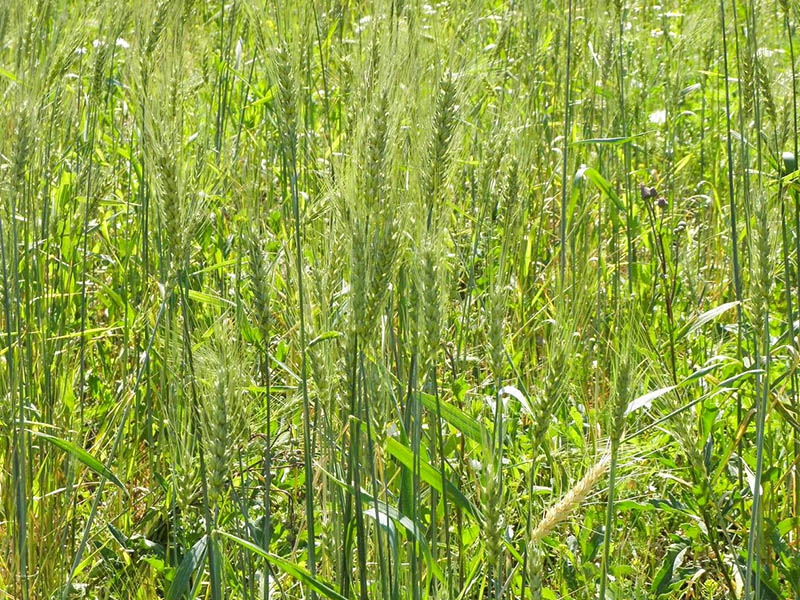
Rye (Secale cereale) is a perennial grain characterized by its ability to thrive even in cold climates. - Growth Characteristics: Rye has deep roots, allowing it to survive in dry environments, and it can germinate and grow even at relatively low temperatures. Additionally, it possesses nitrogen-fixing capabilities, which help maintain soil fertility. - Propagation Method: Rye is primarily propagated by seeds. Autumn is the appropriate time for sowing, and it begins growing rapidly in the spring after overwintering. - Cultivation Method: Rye has good soil adaptability and can be grown in various soil types. However, it grows better in well-drained soil and can thrive even at relatively low pH levels. It requires proper fertilization in the spring and harvesting at the appropriate time. - Use in Gardens: Rye is primarily used in gardens as a cover crop to maintain soil fertility and suppress weeds. It can also be utilized for windbreaks or as an ornamental plant. - Use in Gardens: Rye is used in gardens mainly as a cover crop to maintain soil fertility and suppress weeds. - Major Pests and Control Methods: Rye is susceptible to fungal diseases such as leaf rust and stripe. To prevent this, it is important to select disease-resistant varieties and apply preventive fungicides at the appropriate time. As for pests, black rye larvae can cause damage; in this case, they can be managed through biological or chemical control. Based on this information, you can cultivate rye effectively.
Plant Type
Plant Family
Poaceae
Height
1.5~3m
Spread
Colors
green
Bloom Period
May~June
Water Needs
commonly
Exposure
Sunny
Freezing Resistance
-15°C
Siasia Langea
Searsia lancea
Spicy Watermelon
Sechium edule