English
한국어
English
Español
中文
हिंदी
Home
News
Community
Dictionary
English
한국어
English
Español
中文
हिंदी
View list
Three-leaved sedum
Hylotelephium verticillatum
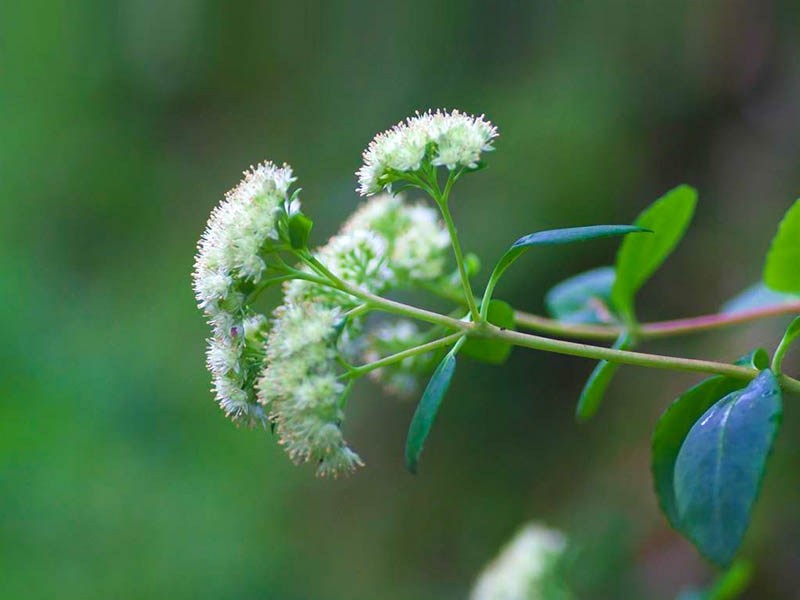
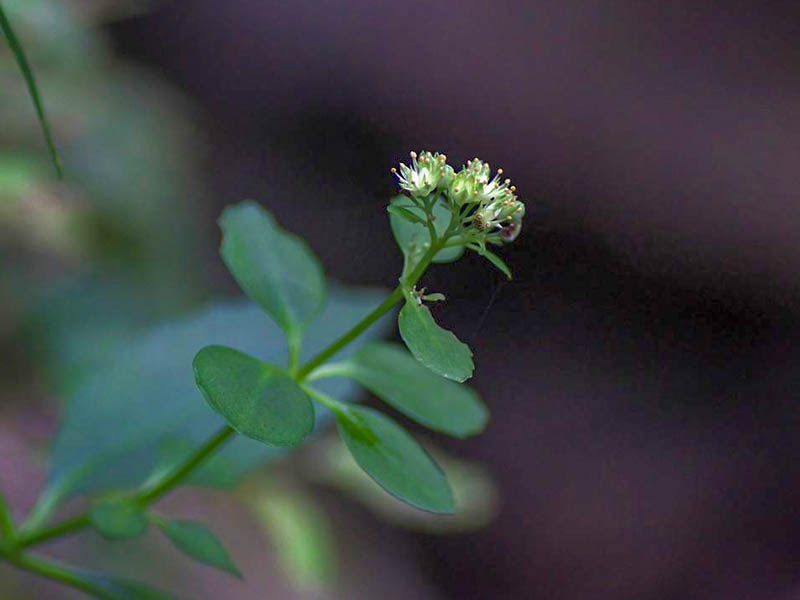
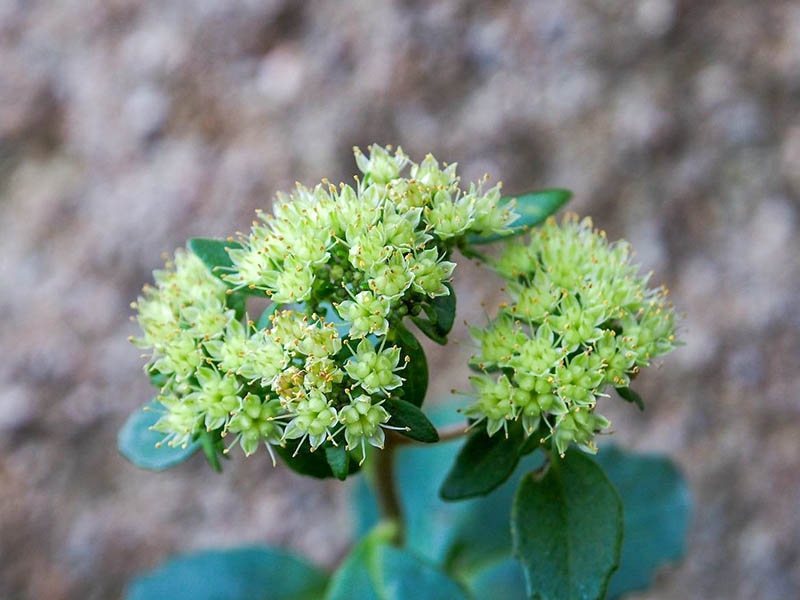
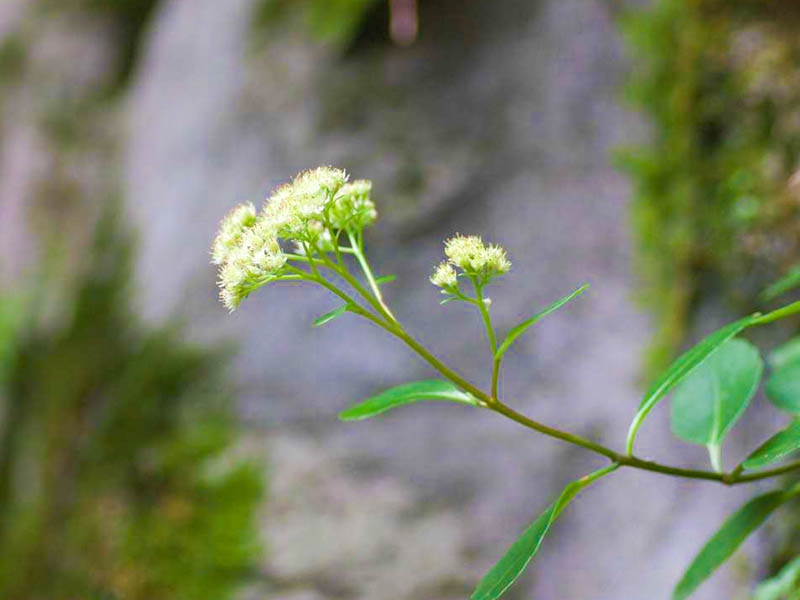
Hylotelephium verticillatum is a perennial herbaceous plant belonging to the Crassulaceae family, well known for its unique leaf arrangement and flower shape. The following is information regarding the growth characteristics, propagation methods, cultivation methods, garden uses, major pests and diseases, and control methods of Hylotelephium verticillatum. Growth Characteristics - Scientific Name: Hylotelephium verticillatum - Growing Environment: It thrives in sunny locations and prefers well-drained soil. While it tolerates dry conditions well, root rot may occur in poorly drained soil. - Leaves: The leaves are thick and fleshy, dark green in color, and usually arranged in whorls of three. - Flowers: Blooming from summer to autumn, small, star-shaped flowers, typically pink or purple, appear in clusters. Propagation Methods - Seed Propagation: Seeds can be harvested and planted after flowering; sowing is usually done in the spring. - Cuttings: This is a method of growing a new plant by cutting off a portion of a stem. After drying the cut stem for a few hours, plant it in well-draining soil. Cultivation Method - Location: It is best to grow it in a sunny location; growth may be inhibited in shade. - Watering: Although it is drought-tolerant, it must be watered regularly during the growing season. However, care must be taken to prevent water from pooling. - Fertilizer: Generally, it does not require much fertilizer, but it is beneficial to apply low-concentration liquid fertilizer occasionally during the growing season. Uses in the Garden - Landscape Enhancement: Its unique leaf and flower shapes allow it to beautifully enhance the garden landscape. - Flowerbeds and Rock Gardens: It blends harmoniously with various types of plants and serves to fill gaps in rock gardens. Important Pests and Control Methods - Diseases: Root rot can occur in excessive moisture. To prevent this, ensure proper drainage. - Pests: Although generally resistant to pests and diseases, aphids or scale insects may occasionally occur, so it is recommended to check the condition periodically and use organic insecticides if necessary. Sedum trifolium is relatively easy to care for and adapts well to various environments, making it a suitable plant for gardening beginners.
Plant Type
Plant Family
Stonecrop family
Height
30~50cm
Spread
Colors
yellow, green
Bloom Period
August~September
Water Needs
commonly
Exposure
Sunny
Freezing Resistance
-30°C
Baby pheasant's eye
Hylotelephium viviparum
Telepium var. purpurium
Sedum telephium var. purpureum