English
한국어
English
Español
中文
हिंदी
Home
News
Community
Dictionary
English
한국어
English
Español
中文
हिंदी
View list
ground rose
Sedum oryzifolium
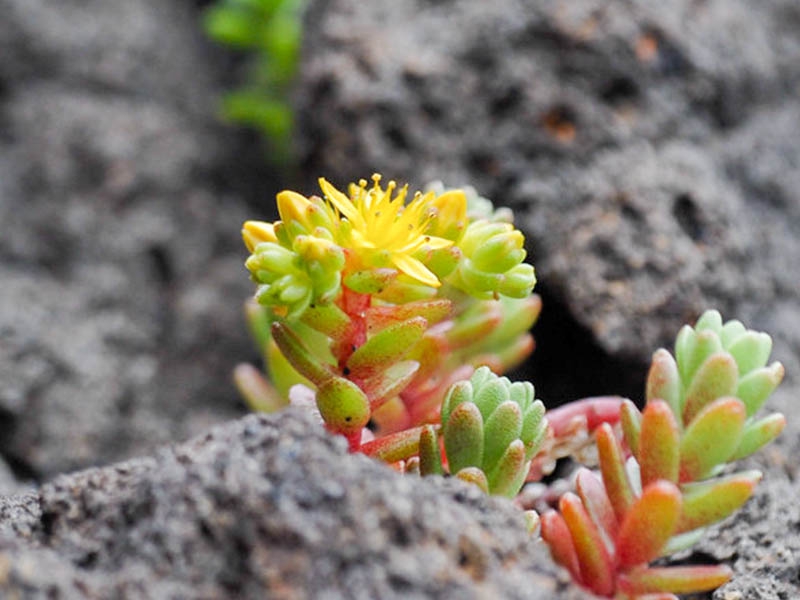
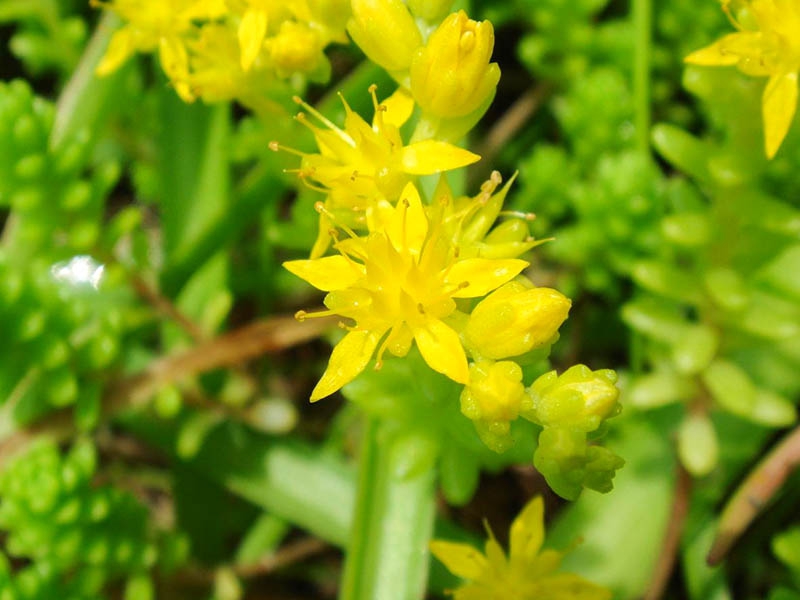
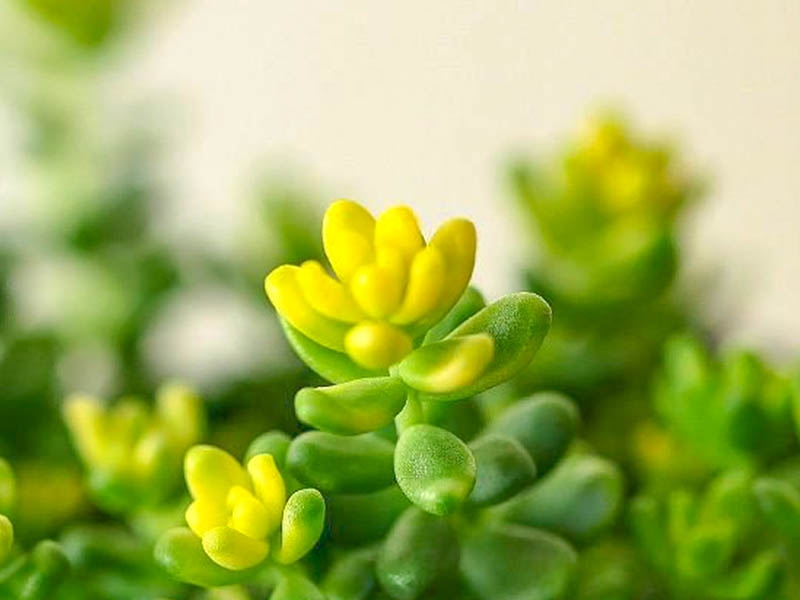
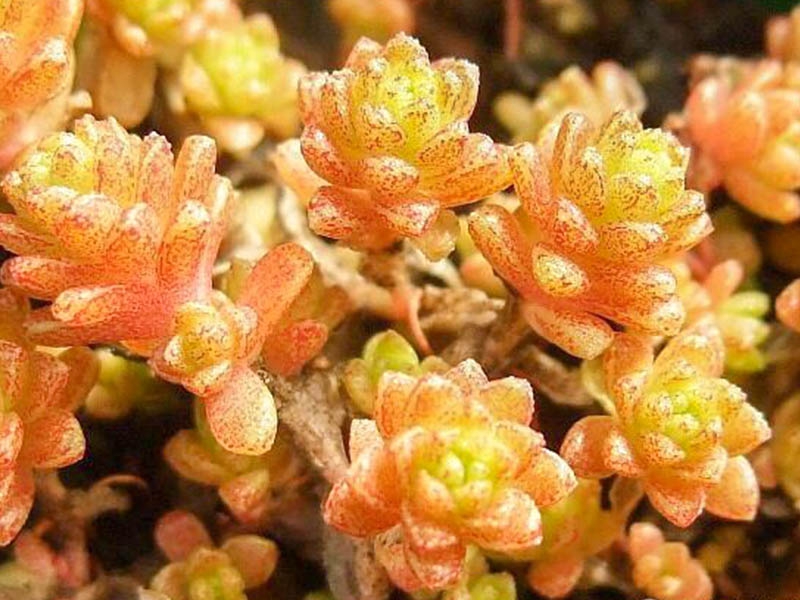
Growth Characteristics Sedum oryzifolium is a succulent plant native primarily to East Asia. It features small leaves and stems with protrusions, and thrives even on rocks or in dry soil. It prefers light and grows well in sunny locations. Propagation Methods Sedum oryzifolium is mainly propagated by cuttings or seeds. For cuttings, the general method involves cutting a stem or leaf, placing it in water, and planting it in soil once roots develop. For seed propagation, seeds are harvested from mature plants and sown in potting soil to germinate. Cultivation Methods - Sunlight: Grow in a sunny location, but avoid strong direct sunlight. - Watering: As it is a succulent, it does not need to be watered frequently; it is best to water only after the soil has dried sufficiently. - Soil: It requires well-draining soil, and a potting mix mixed with sand is suitable. - Temperature: It prefers warm temperatures but can tolerate a certain degree of low temperatures. Uses in the Garden Purslane is an excellent ground cover plant. Planting it in rock gardens or dry flowerbeds can provide a unique aesthetic effect. Its small leaves and dense form make it a great focal point when planted in gardens or pots. Important Pests and Control Methods Typical pests include scale insects and aphids. These feed on the plant's sap, which can cause leaf discoloration and hinder growth. Control Methods: - Scale insects: Remove them manually or wipe regularly with an alcohol swab. - Aphids: Wipe them off with soapy water or spray with natural insecticides. In severe cases, chemical insecticides may be used. Regular observation and preventative care are effective in preventing pests and diseases.
Plant Type
Plant Family
Stonecrop family
Height
10cm
Spread
Colors
yellow
Bloom Period
June~July
Water Needs
commonly
Exposure
Sunny
Freezing Resistance
-20°C
rock rose
Sedum polytrichoides
Sedum Morganianum
Sedum morganianum