English
한국어
English
Español
中文
हिंदी
Home
News
Community
Dictionary
English
한국어
English
Español
中文
हिंदी
View list
Wisteria 'Laurence'
Wisteria floribund
'Lawrence'
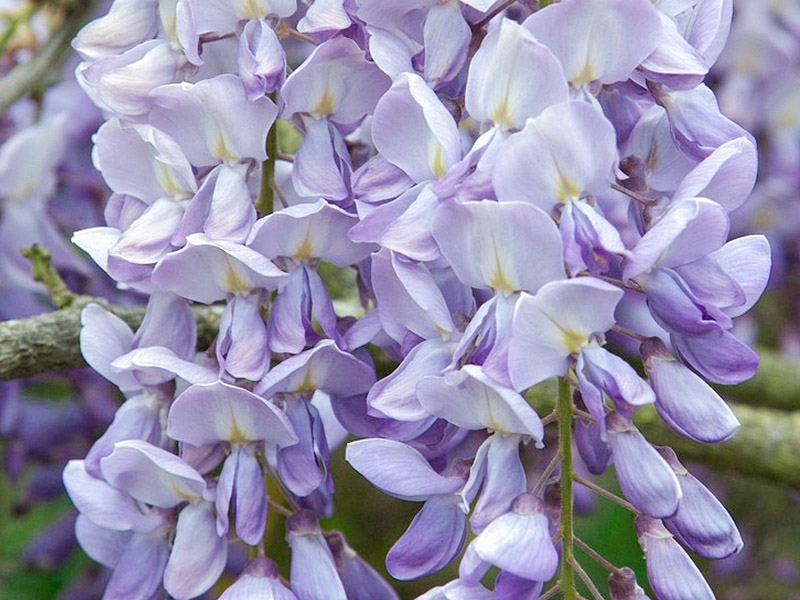
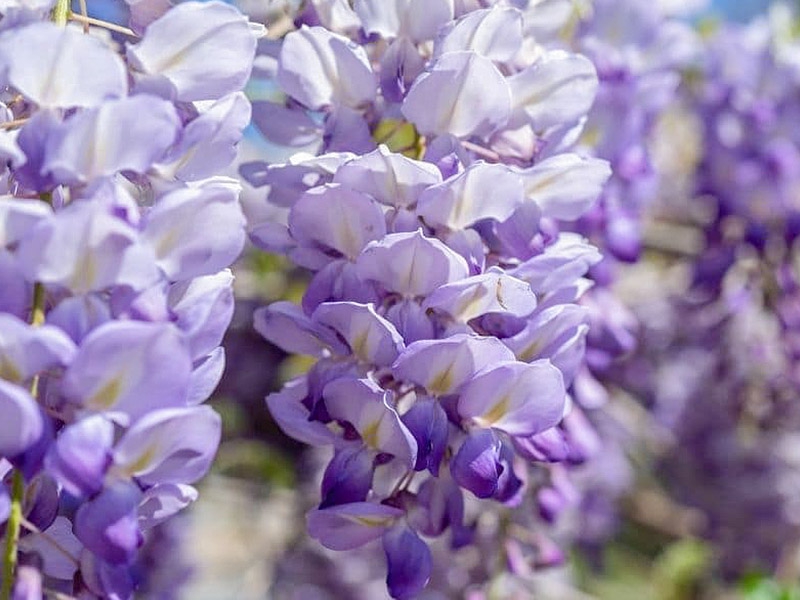
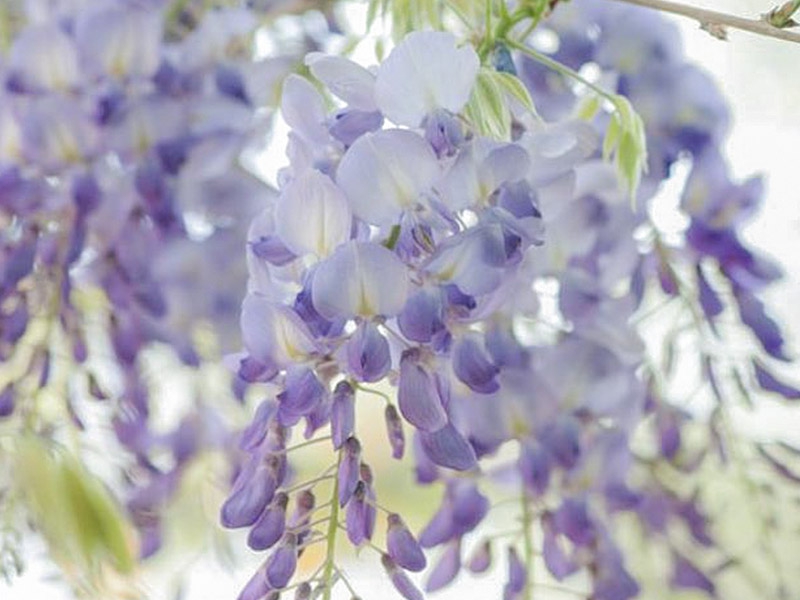
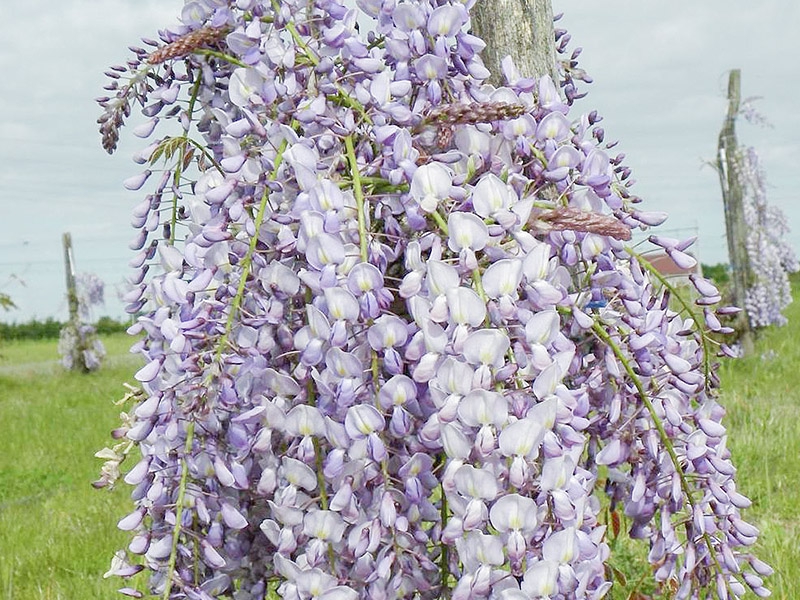
Wisteria 'Lawrence' (Wisteria floribunda 'Lawrence') is a variety of Japanese Wisteria (Wisteria floribunda) and is a popular ornamental plant known for its unique flower colors and shapes. The following is information regarding this variety's growth characteristics, propagation methods, cultivation techniques, garden uses, and major pests and diseases and control methods. Growth Characteristics - Growth Form: As a climbing woody plant, it climbs other support structures and can grow to over 10 meters in height. - Flowers: Showy and fragrant pale purple flowers bloom in spring in long, trailing inflorescences. - Leaves: The pinnate leaves grow opposite each other; they are dark green in summer and turn yellow in autumn. - Cold Hardiness and Adaptability: It is relatively cold-hardy and grows well in various soil conditions, but performs best in well-drained soil. Propagation Methods - Seeds: Propagation is possible by sowing, but the germination rate is low and it is difficult to maintain the variety's characteristics. - Cuttings: You can propagate by cutting healthy branches during the summer. - Grafting: It can also be propagated through grafting, which is one method that allows propagation while preserving the variety's characteristics. Cultivation Methods - Location: It is ideal to plant in a sunny location. - Watering: While it is resistant to drought, sufficient water supply is required during the early growth period. - Soil: It prefers well-drained soil and thrives in acidic to neutral soil conditions. - Fertilizer: During the spring growing season, you can provide nutrients using slow-release fertilizers. Garden Uses - Ornamental: Suitable for decorative purposes, such as climbing arches, pergolas, and other structures. - Landscape Creation: Can serve as a centerpiece or divide the boundaries of a garden. Major Pests and Control Methods - Powdery Mildew: White powder appears on the leaves and can interfere with photosynthesis. It can be controlled using sulfur-containing fungicides. - Aphids: They attack new shoots and leaves; in severe cases, chemical control using pesticides or biological control using natural enemies is possible. - Moths: Moth larvae may gnaw on the leaves. Remove them upon early detection or use appropriate insecticides. The 'Laurence' wisteria is a relatively easy plant to care for. If planted in the right location and maintained with basic care, it is a great variety to add beauty to your garden. It can be cultivated even more effectively if you seek advice from an expert.
Plant Type
Plant Family
legumes
Height
3~9m
Spread
3~6m
Colors
white, purple
Bloom Period
May to July
Water Needs
commonly
Exposure
Sunny
Freezing Resistance
-15°C
Wisteria 'Macrobotris'
Wisteria floribunda 'Macrobotrys'
Wisteria 'Kuchi Beni'
Wisteria floribunda 'Kuchi Beni'