English
한국어
English
Español
中文
हिंदी
Home
News
Community
Dictionary
English
한국어
English
Español
中文
हिंदी
View list
Scholar's scale moss
Selaginella nipponica
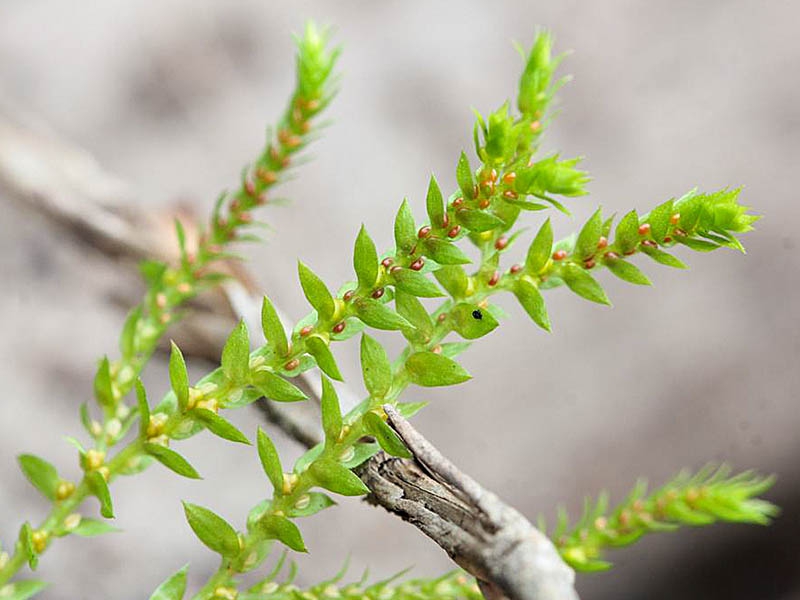
Selaginella nipponica is a perennial plant belonging to the family Selaginellaceae, primarily found in temperate and subtropical regions of Asia. The following is information regarding this plant's growth characteristics, propagation methods, cultivation techniques, garden uses, and major pests and control methods. Growth Characteristics - Environmental Adaptability: Selaginella nipponica prefers moist, shady environments. In its natural state, it is often found growing on forest floors or in rock crevices. - Growth Rate: It grows relatively slowly and spreads in a vine-like form. - Height and Width: It is small in size, reaching a height of approximately 10–20 cm and a width of over 30 cm. Propagation Methods - Spore Propagation: Natural reproduction by spores is possible. Spores released from sporangia germinate under suitable conditions to grow into new individuals. - Division: Under human supervision, it can be easily propagated by division. If you divide the roots and plant them separately, they will grow into new plants. Cultivation Method - Soil: Well-drained soil is suitable, and it thrives in slightly acidic soil. - Light Intensity: Avoid direct sunlight; it is best to grow it in partial shade. - Watering: Keep the soil moist at all times; overwatering can cause root rot. - Temperature: It grows healthily in a moderate temperature environment, but care must be taken to prevent frost during the winter. Uses in the Garden - Ground Cover: Sophora niponica is very suitable as a ground cover due to its low height and spreading nature. - Ornamental Value: The beautiful colors and unique textures of its leaves provide an aesthetic decorative effect. - Wetland Gardens: As it prefers moisture, it is ideal for wetland gardens or artificial wetlands. Important Pests and Control Methods - Pest Occurrence Frequency: It is generally resistant to pests, but care must be taken to prevent root rot caused by excessive moisture. - Control Methods: - Ensure good ventilation and manage carefully. - Avoid overwatering and allow the roots to air out well. - Using an appropriate plant protection agent is also a good option if problems arise. I hope this information helps you in cultivating and managing Sophora niponica.
Plant Type
Plant Family
Buddha's hand and
Height
5~20cm
Spread
Colors
green
Bloom Period
July to September (spore period)
Water Needs
commonly
Exposure
semi-shaded area
Freezing Resistance
-10°C
Silsari
Selaginella sibirica
Buddha's hand
Selaginella involvens