English
한국어
English
Español
中文
हिंदी
Home
News
Community
Dictionary
English
한국어
English
Español
中文
हिंदी
View list
Sequoia sempervirens
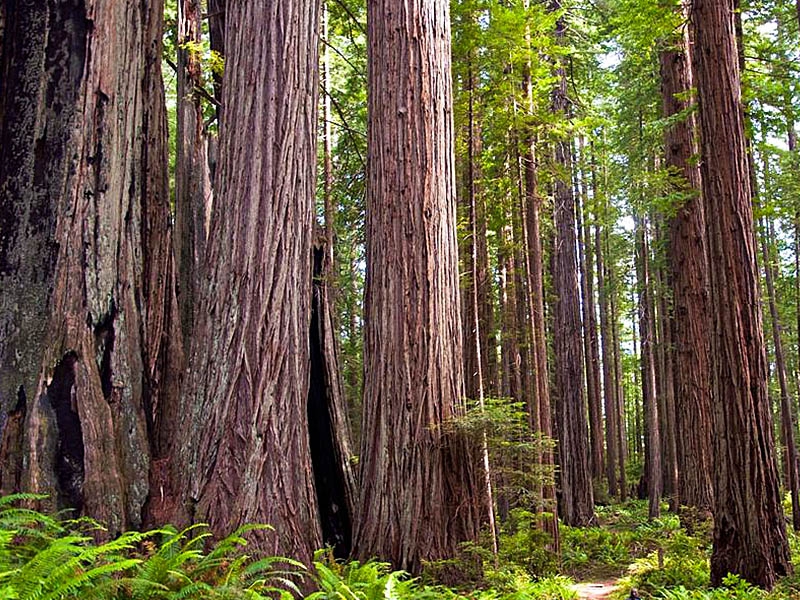
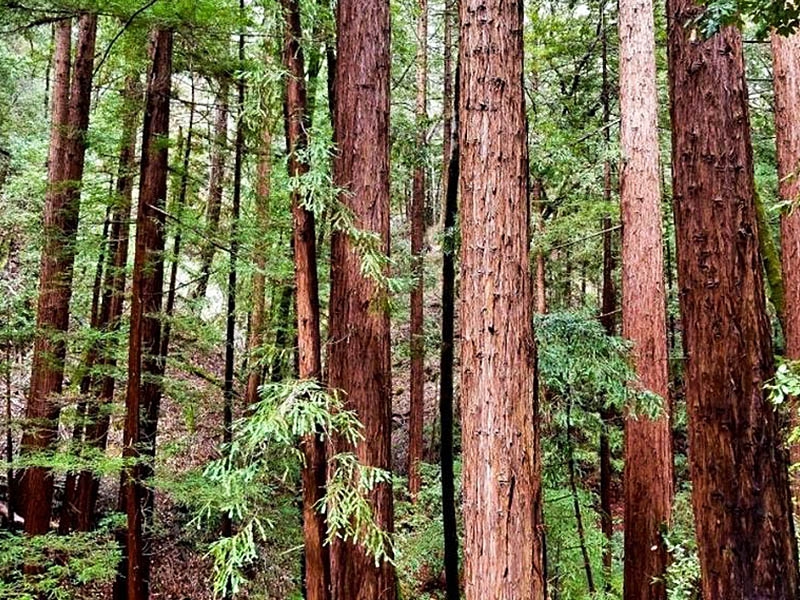
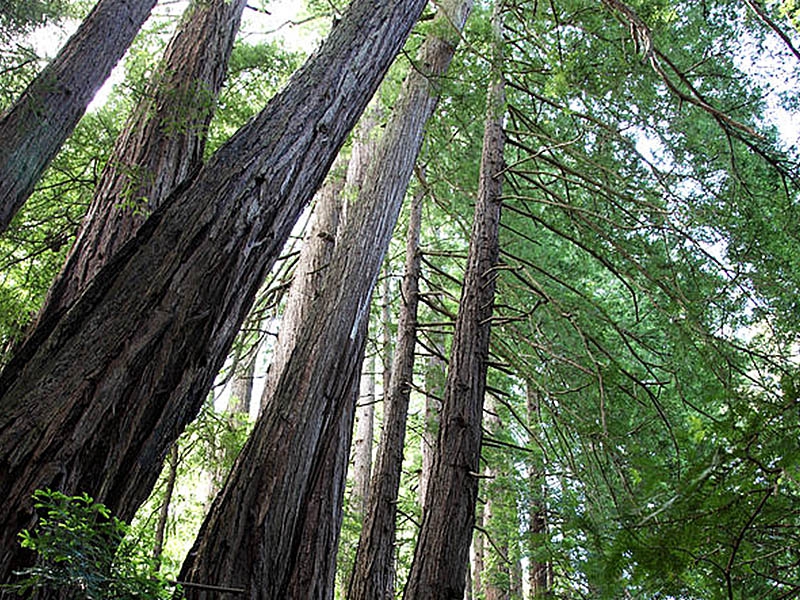
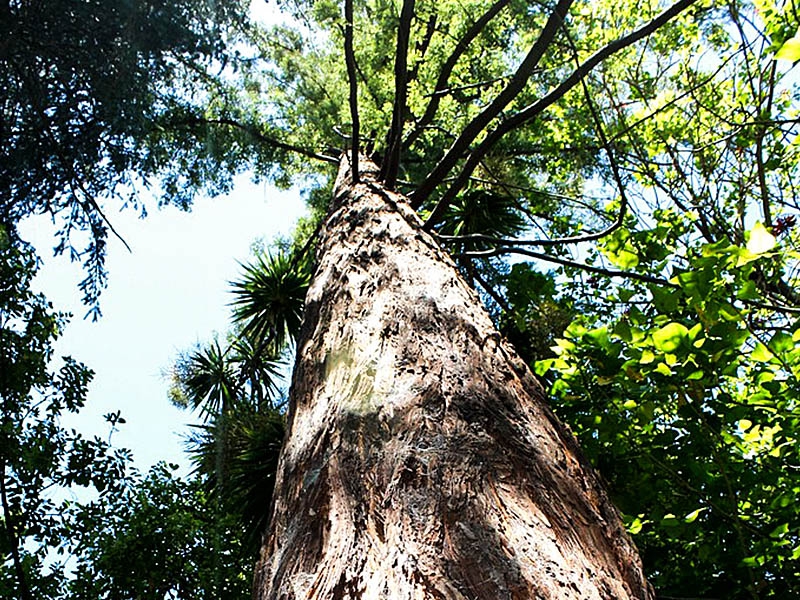
Sequoia sempervirens, commonly known as the Redwood, is one of the tallest trees in the world, primarily found along the California coast. Growth Characteristics - Height: Mature trees grow to heights of 50 to 100 meters. - Lifespan: It has a very long lifespan, surviving for 1,200 to 1,800 years. - Environment: It prefers a humid maritime climate, and well-drained soil rich in organic matter is ideal. Propagation Methods - Seeds: It is primarily propagated by seeds, and a single tree can produce thousands of seeds in a year. - Vegetative Propagation: New shoots can emerge from the roots and grow into new trees. Cultivation Methods - Planting: Select well-drained soil and plant in a location with sufficient sunlight. - Watering: Consistent watering is required during the early growth stages, but once mature, it can tolerate dry conditions. - Fertilizer: Applying fertilizer at the appropriate time can accelerate growth. Use in the Garden - When planted in a garden, it requires ample space. It provides dense shade and helps purify the air and reduce fine dust. Important Pests and Control Methods - Diseases: It is generally resistant to disease, but fungal diseases or root rot may occur. - Control: Improve soil drainage and manage by removing infected parts. - Pests: There are no serious pests, but leaf-eating insects can cause problems. - Control: You can utilize natural predators or use organic insecticides. Sequoia sempervirens can grow healthily for a long period under proper environmental conditions and care. When planted in a garden, its grandeur and unique growth characteristics make it an attractive landscape element.
Plant Type
Plant Family
Cupress family
Height
18~30m
Spread
4.5~7.5m
Colors
Bloom Period
March to August
Water Needs
commonly
Exposure
Sunny
Freezing Resistance
-7°C
Sena Hebecarpa
Senna hebecarpa
Korean fir
Sequoiadendron giganteum