English
한국어
English
Español
中文
हिंदी
Home
News
Community
Dictionary
English
한국어
English
Español
中文
हिंदी
View list
sesame
Sesamum indicum
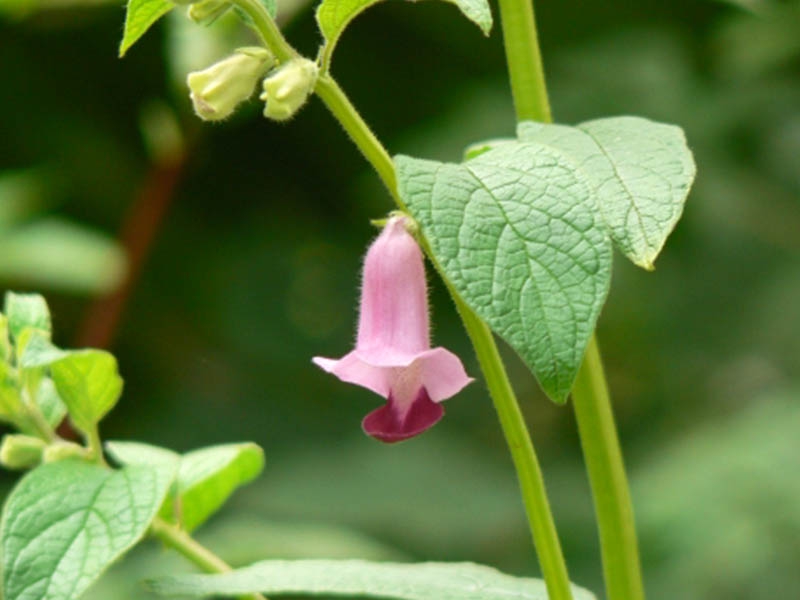
The growth characteristics, propagation methods, cultivation methods, garden uses, and major pests and diseases and control methods of Sesamum indicum are as follows. Growth Characteristics Sesame is an annual plant that prefers warm climates and typically grows to a height of about 60 to 120 cm. The leaves are symmetrical, and while the flowers are usually white, they can come in various colors such as pink and purple. Sesame thrives in well-drained soil and sunny locations. Propagation Methods Sesame is primarily propagated by seeds. Since seeds require warm temperatures to germinate, it is best to sow them in the spring when temperatures become suitable. Sprouts begin to emerge within approximately 2 to 4 weeks after seed germination. Cultivation Methods - Soil Preparation: Select well-drained soil and enrich the soil by mixing in manure if necessary. - Sowing: Once temperatures have warmed sufficiently, sow seeds at a depth of about 1 to 2 cm. It is recommended to maintain a spacing of about 30 cm between rows. 3. Watering: Water regularly during the early growing season, taking care to avoid both dryness and overwatering. - Weed Management: Remove weeds frequently to prevent them from hindering the growth of the sesame. - Harvesting: Harvest approximately 3 to 4 months after the flowers have faded, when the pods turn brown. Uses in the Garden While sesame is primarily cultivated for commercial purposes, it can also be utilized in gardens for ornamental purposes and soil improvement. In particular, the unique shape and color of the flowers can add beauty to the garden. Important Pests and Control Methods - Powdery Mildew: This disease causes white powder to cover the leaves. To prevent it, ensure sufficient distance between plants for good ventilation and remove diseased leaves immediately. - Leaf Beetles (Aphids, etc.): These pests feed on the sap of sesame. Upon early detection, control them using soapy water or medicinal oils. In severe cases, chemical insecticides may be used. 3. Nematodes: These are pests that damage the roots. To prevent damage, practice crop rotation and use soil disinfectants. Based on this information, you can successfully cultivate and manage Sesame Indicum.
Plant Type
Plant Family
Sesame family
Height
1~3m
Spread
Colors
white, pink
Bloom Period
July~August
Water Needs
commonly
Exposure
Sunny
Freezing Resistance
-5°C
Sesamosemnus Lugardi
Sesamothamnus lugardii
Sesleria autumnalis
Sesleria autumnalis