English
한국어
English
Español
中文
हिंदी
Home
News
Community
Dictionary
English
한국어
English
Español
中文
हिंदी
View list
Joajaebi
Setaria chondrachne
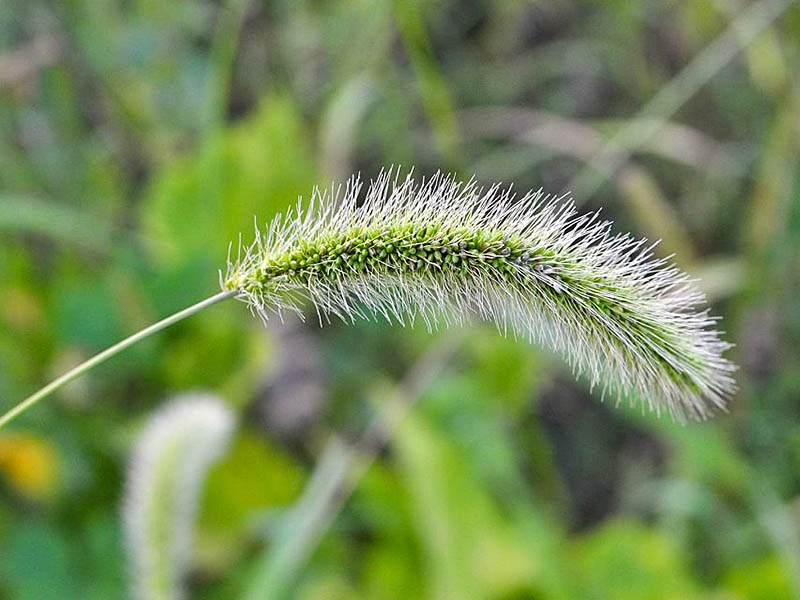
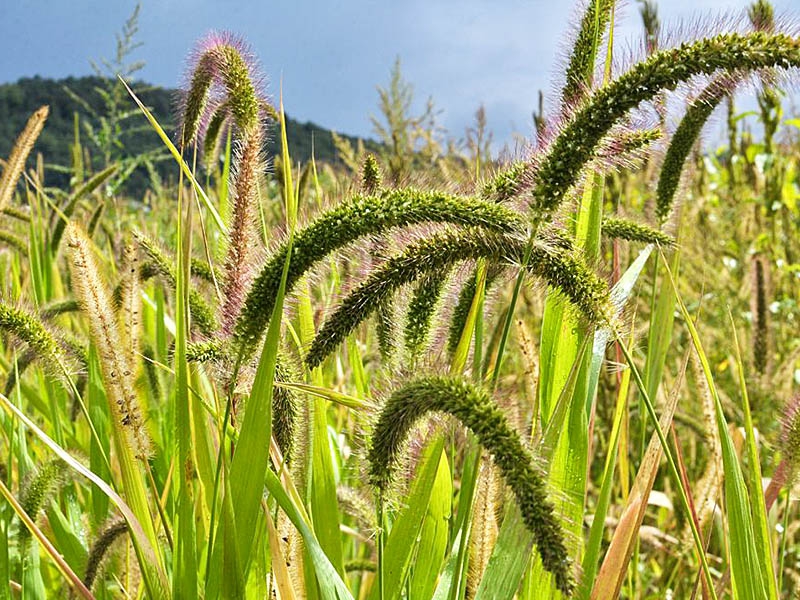
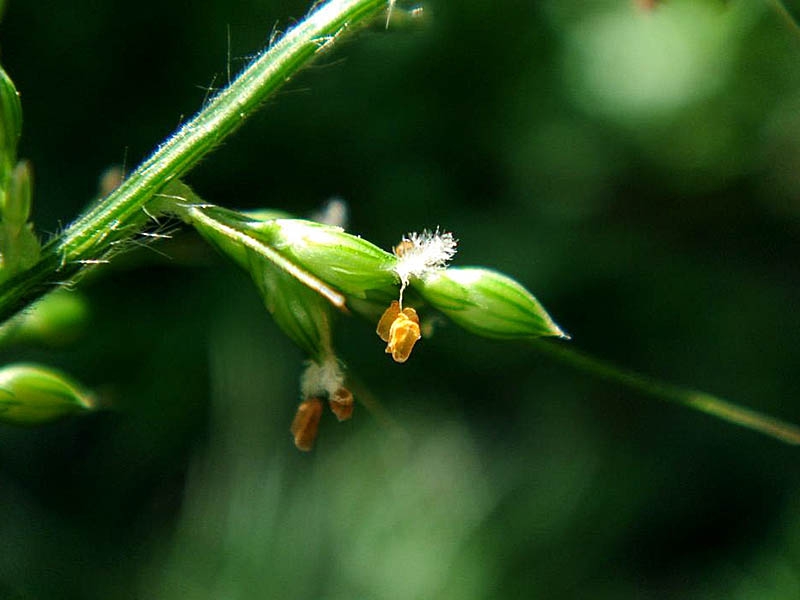
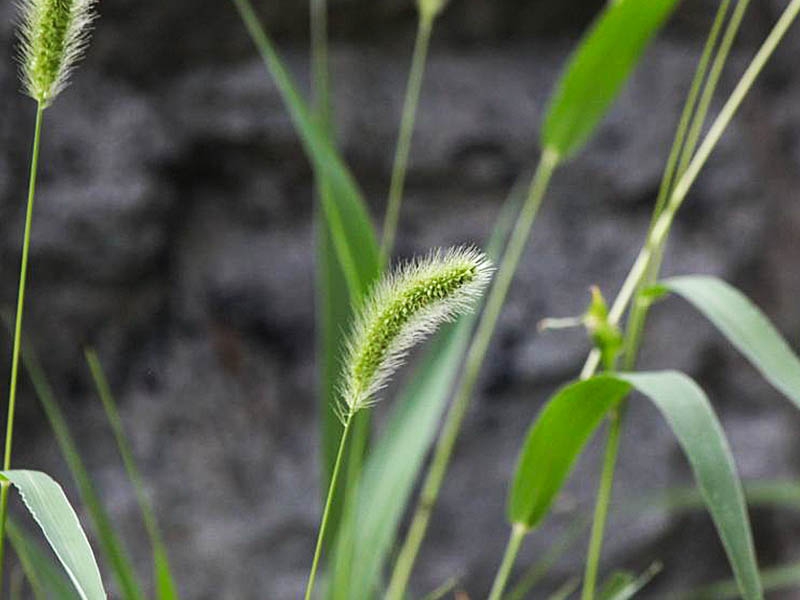
Setaria chondrachne is a perennial grass belonging to the Poaceae family and is popular as a garden plant due to its unique appearance and beautiful inflorescences. The following is information regarding this plant's growth characteristics, propagation methods, cultivation methods, garden uses, and major pests and diseases and control methods. Growth Characteristics - Growth Environment: Setaria chondrachne thrives in sunny locations or in partial shade. It prefers well-drained soil and adapts well to various soil conditions. - Size: It typically grows to a height of 60 cm to 1 m and a width of about 30 cm. - Leaves and Flowers: The leaves are narrow, long, and linear. The inflorescences are elongated and form beautiful ridges from summer to autumn. Propagation Methods - Seeds: It can be easily propagated by seeds. Seeds can be sown directly in the spring or germinated indoors and then transplanted. - Division: You can propagate by dividing the root ball in spring or autumn. This is a faster and more reliable method of propagation. Cultivation Method - Soil Preparation: Prepare well-draining soil and mix in organic fertilizer if necessary. - Planting: Plant at appropriate intervals and water thoroughly after planting. - Watering: Water consistently during the initial establishment period, and then adjust watering according to soil conditions. - Fertilizer: Use slow-release fertilizer in the spring to promote growth. Uses in the GardenDue to its unique appearance, Corndrachne is widely used for border planting, as a background plant, or for ornamental purposes. It adds a lush feel, especially to autumn gardens. Major Pests and Control Methods - Diseases: Although relatively resistant to diseases, root rot can occur due to excessive moisture. Proper drainage management is important to prevent this. - Pests: Common garden pests may occasionally occur. To address this, observe the plant regularly and use appropriate insecticides if necessary. Based on this information, if you care for Chondrachne well in your garden, you can grow it into a beautiful and healthy plant.
Plant Type
Plant Family
Grass family
Height
50~100cm
Spread
Colors
white, yellow
Bloom Period
August to October
Water Needs
commonly
Exposure
semi-shaded area
Freezing Resistance
-15°C
Autumn foxtail
Setaria faberi
Tradescantia sold
Setcreasea pallida