English
한국어
English
Español
中文
हिंदी
Home
News
Community
Dictionary
English
한국어
English
Español
中文
हिंदी
View list
You too, buttercup
Sibbaldia procumbens
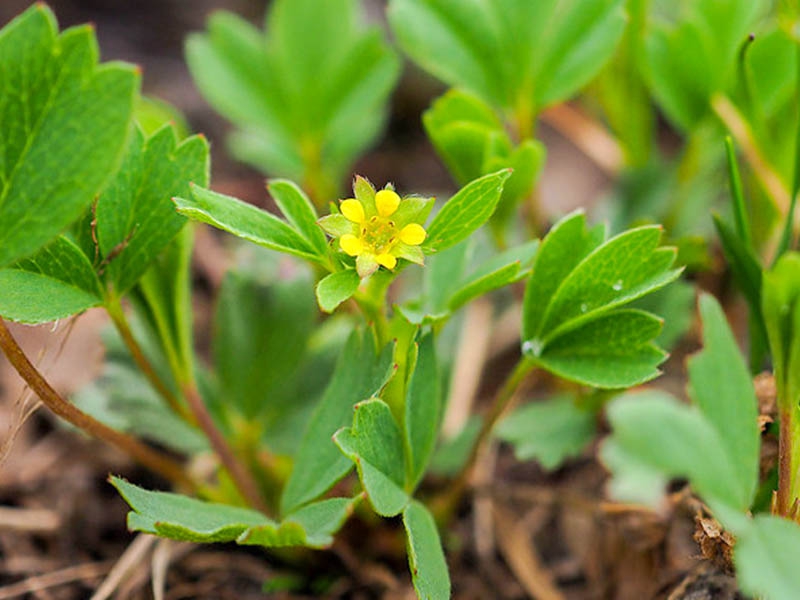
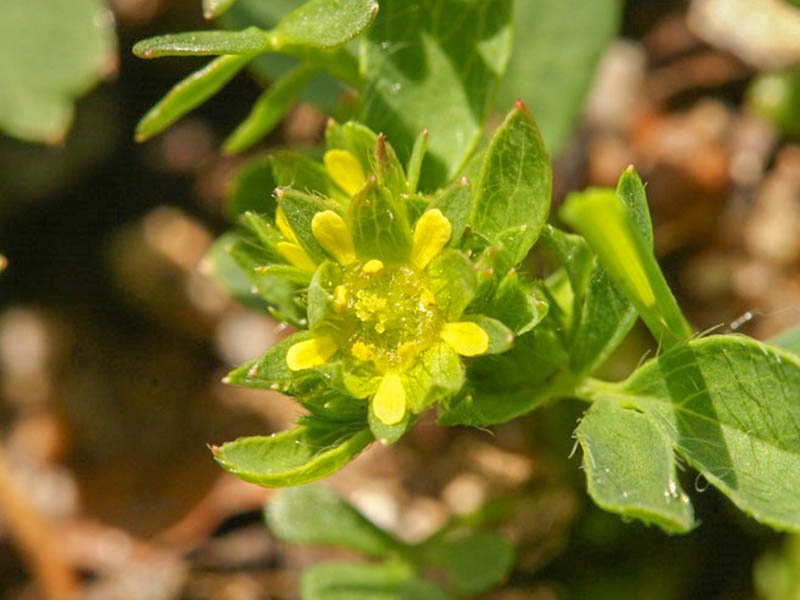
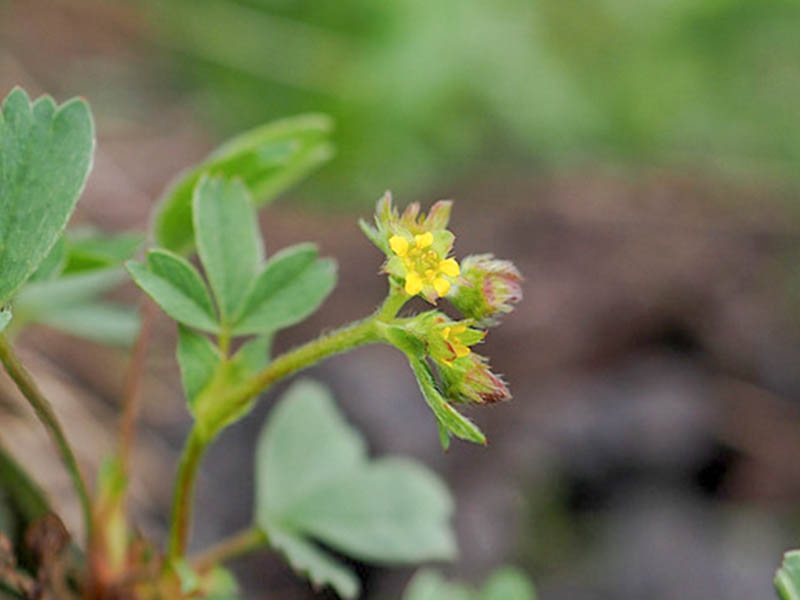
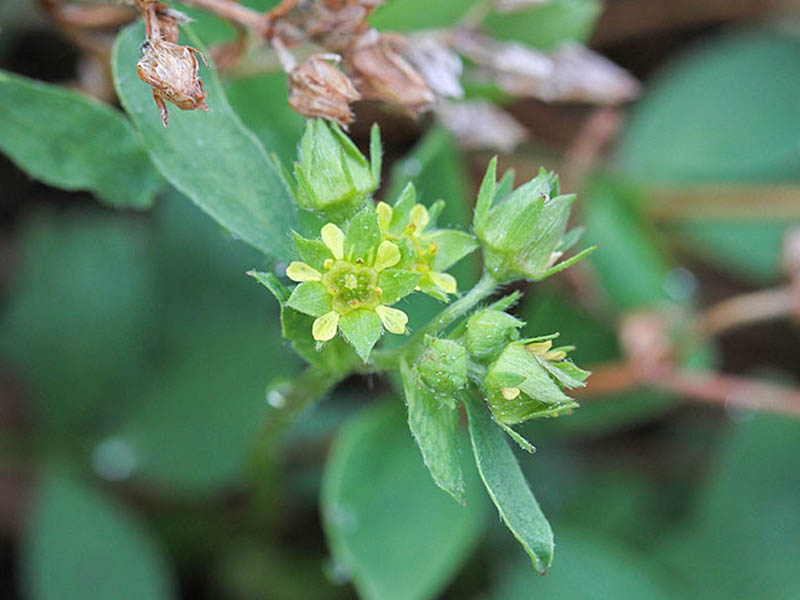
Sibbaldia procumbens Growth Characteristics: Sibbaldia procumbens is a plant that grows primarily in alpine regions, thriving in mountainous areas at elevations of 1,800 meters or higher. It is a perennial that grows to a height of approximately 5 to 15 cm. The leaves are small and triangular in shape, covered with fine hairs. The flowers bloom mainly in the summer and are pale yellow. Propagation Method: Sibbaldia procumbens is primarily propagated by seeds. Seeds can be collected and sown directly in the spring, or seedlings can be grown and transplanted. Propagation by dividing the roots is also possible. Cultivation Method: It thrives in well-drained soil with ample sunlight, so it is important to plant it in a location with good drainage. Water thoroughly when dry, but avoid overwatering. It is resistant to cold, so special winter insulation is not necessary, but it is advisable to avoid very cold winds. Sibbaldia procumbens Garden Use: The Japanese buttercup is primarily used in rock gardens, flowerbed edges, and alpine gardens. Its low stature allows it to blend harmoniously with other plants, and because it grows in clusters in well-drained areas, it is effective when planted in low flowerbeds or on slopes. Important Pests and Control Methods: While generally resistant to pests, fungal diseases can occur if the leaves become excessively wet. To prevent this, it is important to ensure good ventilation and avoid overwatering. If disease occurs, remove the affected leaves, and use an appropriate fungicide if necessary. Common pests include aphids, which can be effectively controlled by removing them by hand or using soapy water. With this care, the Japanese buttercup will grow healthily in your garden and create a beautiful landscape.
Plant Type
Plant Family
Rosaceae
Height
3~12cm
Spread
Colors
yellow
Bloom Period
July~August
Water Needs
commonly
Exposure
Sunny
Freezing Resistance
-30°C
Sortia galasifolia
Shortia galacifolia
Spiny cocklebur
Sicyos angulatus