English
한국어
English
Español
中文
हिंदी
Home
News
Community
Dictionary
English
한국어
English
Español
中文
हिंदी
View list
Suk-eun-janggu-chae
Silene pendula
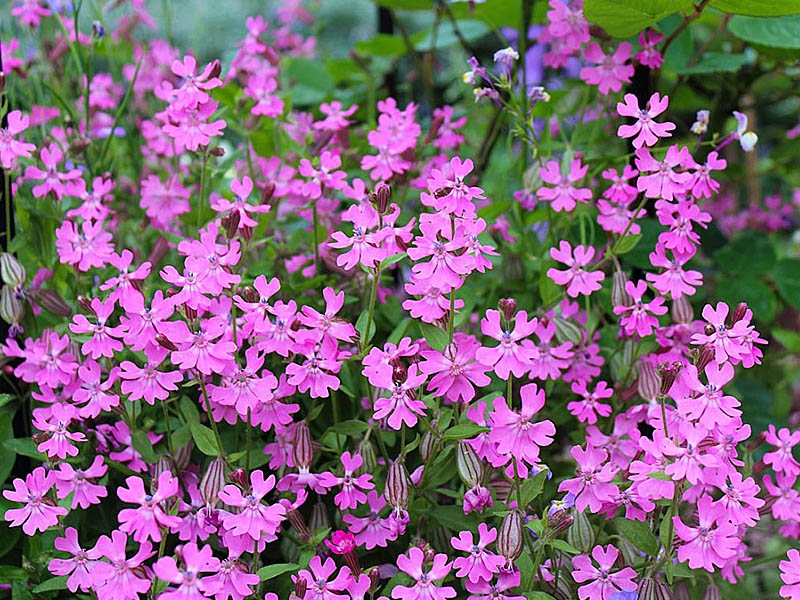
Silene pendula has the following characteristics regarding growth, propagation, cultivation, garden uses, major pests and diseases, and control methods. Growth CharacteristicsSilene pendula is an annual herbaceous plant native primarily to Southern Europe, growing to a height of approximately 30–50 cm. It blooms in the spring, forming small, attractive pink or white flowers. It prefers sunlight and thrives in well-drained soil. PropagationIt is propagated by seeds and can be planted in spring or autumn. Seeds germinate relatively quickly, so it is recommended to sprout them indoors before transplanting. CultivationIt grows well in well-drained soil in a sunny location. Avoid overwatering; ideally, water only when the soil is dry. Be careful not to overuse nitrogen fertilizer, as this can cause the leaves to grow profusely instead of flowers. Use in the Garden Planting the Dendrobium pendula at the front of a flower bed or planting it in a hanging pot to let it trail creates a beautiful decorative effect. Its diverse colors make it ideal for harmonious arrangement with other flowers. Important Pests and Control Methods While the Dendrobium pendula is relatively resistant to pests and diseases, it can contract fungal diseases if water is overwatered. To prevent this, it is important to regulate watering and maintain a well-ventilated environment. If insects appear, they can be controlled using natural fungicides or insecticides. Based on this information, if you create a suitable growing environment, the Dendrobium pendula will be able to grow beautifully in your garden.
Plant Type
Plant Family
Caryophyllaceae
Height
20∼40cm
Spread
Colors
amethyst
Bloom Period
May to June
Water Needs
commonly
Exposure
Sunny
Freezing Resistance
-10°C
Arctic balloon bellflower uralensis ssp. arctica
Silene uralensis ssp. Arctica
Sticky-necked bellflower
Silene koreana