English
한국어
English
Español
中文
हिंदी
Home
News
Community
Dictionary
English
한국어
English
Español
中文
हिंदी
View list
Silphium terebinthium
Silphium terebinthinaceum
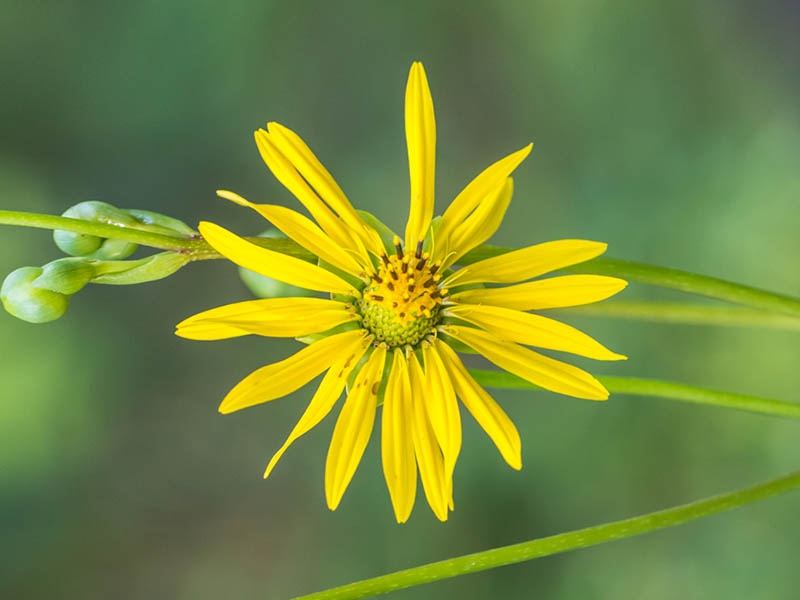
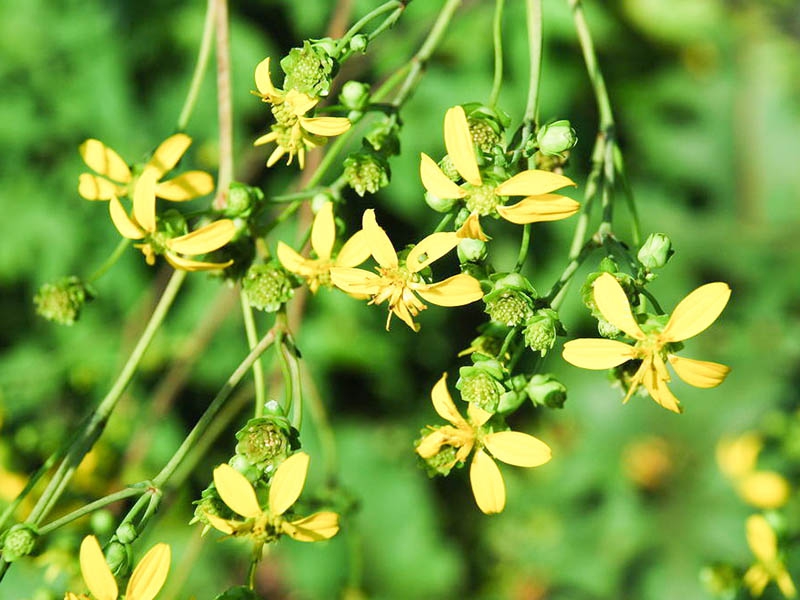
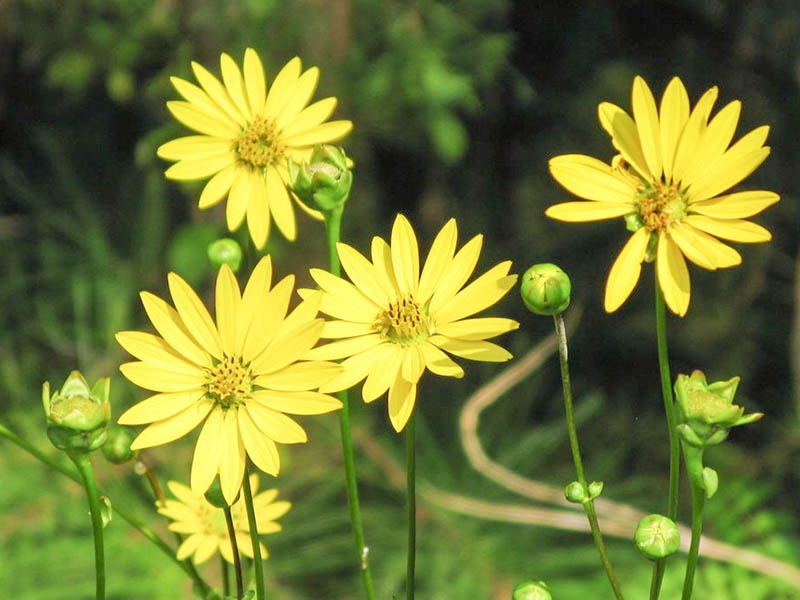
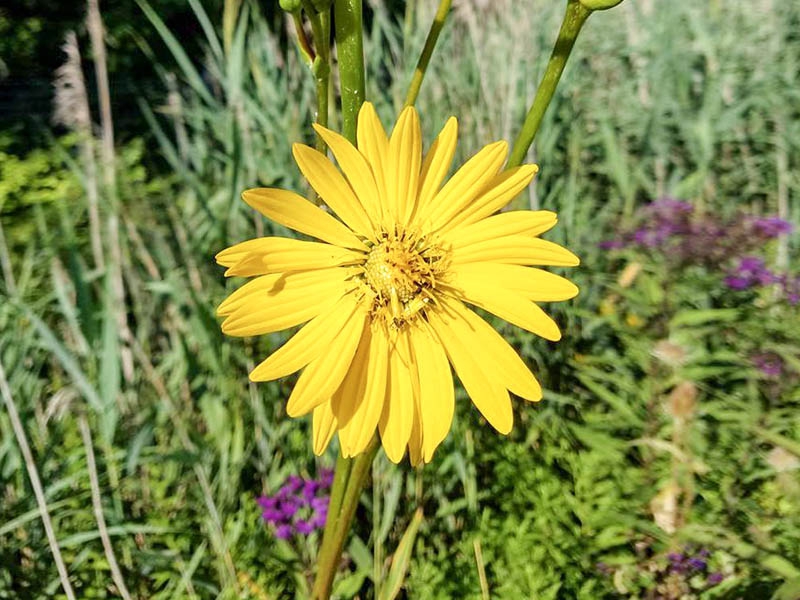
Silphium terebinthinaceum is a perennial herbaceous plant native to North America. The following is information regarding this plant's growth characteristics, propagation methods, cultivation methods, garden uses, major pests and diseases, and control methods. Growth Characteristics - Height and Shape: It typically grows to a height of 1.5m to 2.5m and is characterized by its upright growth habit. - Leaves: It has large, thick leaves with long stems. - Flowers: It blooms with yellow flowers from summer to autumn, forming capitulum inflorescences. - Growing Environment: It thrives in sunny locations and prefers well-drained soil. Propagation Methods - Seeds: It can be propagated by seeds; seeds can be germinated indoors in the spring and transplanted, or sown directly in the field in the autumn. - Root Division: It can also be propagated by dividing the roots of mature plants. Cultivation Methods - Planting: It is important to plant in well-drained soil, so prepare the soil well before planting. - Watering: Water sufficiently during dry periods, but avoid excessive moisture. - Fertilizer: Generally, it does not require much fertilizer, but a moderate amount of organic fertilizer can be applied during the growing season. Garden Uses - Landscape Creation: Its tall stature and striking flowers make it suitable for landscape creation, and it is excellent for mixing with other herbaceous plants. - Ornamental Use: It can be primarily used in large flowerbeds or for exotic garden styles. Important Pests and Control Methods - Diseases: It is generally resistant to diseases, but root rot can occur due to excessive moisture. Care must be taken with drainage management. - Pests: It can be damaged by aphids or insects, so regular observation and the use of insecticides are necessary. - Control Methods: If damage is detected, use appropriate insecticides. Alternatively, natural methods such as installing ornamental obstacles or attracting beneficial insects can be used for control. Silphium terrevinaceum is attractive for its beautiful flowers and sturdy growth, and can be well utilized in the garden with proper care and environmental conditions.
Plant Type
Plant Family
Asteraceae
Height
1~3m
Spread
30~90cm
Colors
yellow
Bloom Period
July~August
Water Needs
commonly
Exposure
Sunny
Freezing Resistance
-10°C
Red bellflower 'Rolly's Favorite'
Silene doica 'Rollies Favourite'
Silphium perpoliatum
Silphium perfoliatum