English
한국어
English
Español
中文
हिंदी
Home
News
Community
Dictionary
English
한국어
English
Español
中文
हिंदी
View list
Mycronate
Sisyrinchium mucronatum
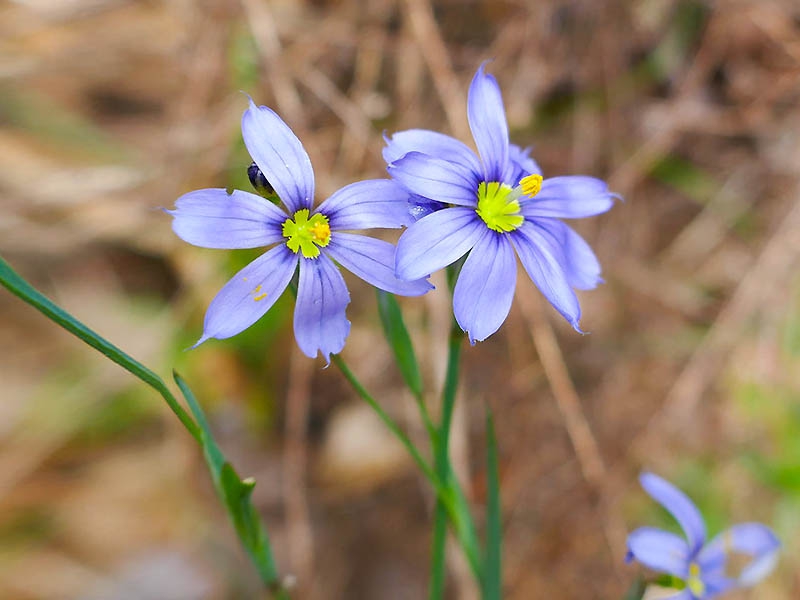
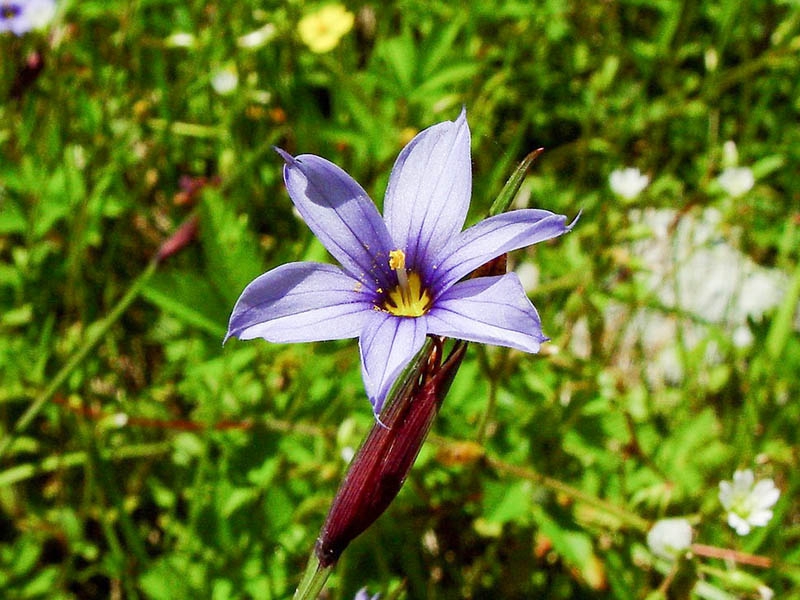
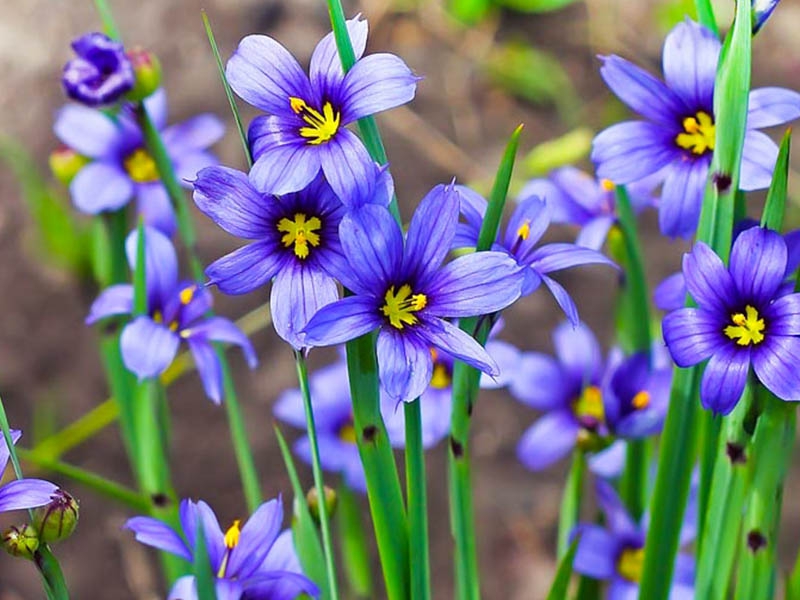
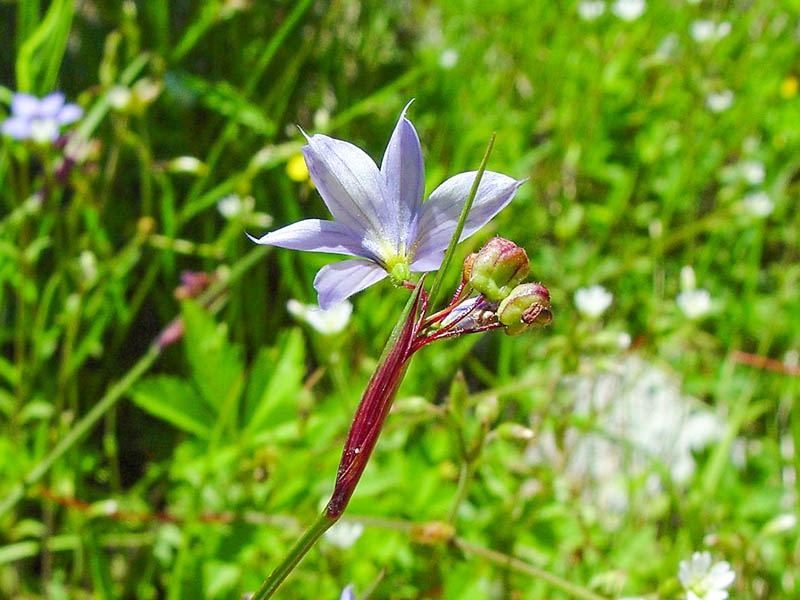
Sisyrinchium mucronatum is a perennial plant that thrives primarily in moist environments. The following is information regarding the growth characteristics, propagation methods, cultivation methods, garden uses, and major pests and diseases, as well as control methods. Growth Characteristics: - This plant prefers moist soil and grows in sunny locations. - It grows to a height of approximately 30–60 cm and blooms from spring through early summer. - The flower colors are mainly blue or purple, and small flowers bloom in clusters. Propagation Methods: - Propagation by seeds is common, and seeds are sown in the spring. - To increase germination rates, it is recommended to soak the seeds in water before planting. - It can also be propagated by division; in this case, the most appropriate time is early spring. Cultivation Methods: - It is important to plant in well-draining soil. - Water thoroughly after planting. Watering is necessary, especially during the early growth stage and dry periods. - Provide nutrients by fertilizing at appropriate times. Uses in the Garden: - The Japanese iris is excellent for planting in gardens or wildflower beds. - It blends harmoniously with other perennial plants, creating a natural look. Important Pests and Control Methods: - It is generally resistant to pests, but fungal diseases may occur due to humidity. - To prevent pests, it is important to ensure good ventilation when planting. - If disease occurs, diseased leaves or flowers should be removed early, and an appropriate fungicide should be used if necessary. The Japanese iris is a relatively easy-to-care-for plant that thrives in suitable environments and offers the advantage of beautiful flowers. You can utilize this to further beautify your garden.
Plant Type
Plant Family
Iris family
Height
15~60cm
Spread
15~20cm
Colors
Blue, purple, pink
Bloom Period
May~June
Water Needs
commonly
Exposure
Sunny
Freezing Resistance
-10°C
Sirloin iris
Sisyrinchium rosulatum
Striatum
Sisyrinchium striatum