English
한국어
English
Español
中文
हिंदी
Home
News
Community
Dictionary
English
한국어
English
Español
中文
हिंदी
View list
Seonmilnamul
Smilax nipponica
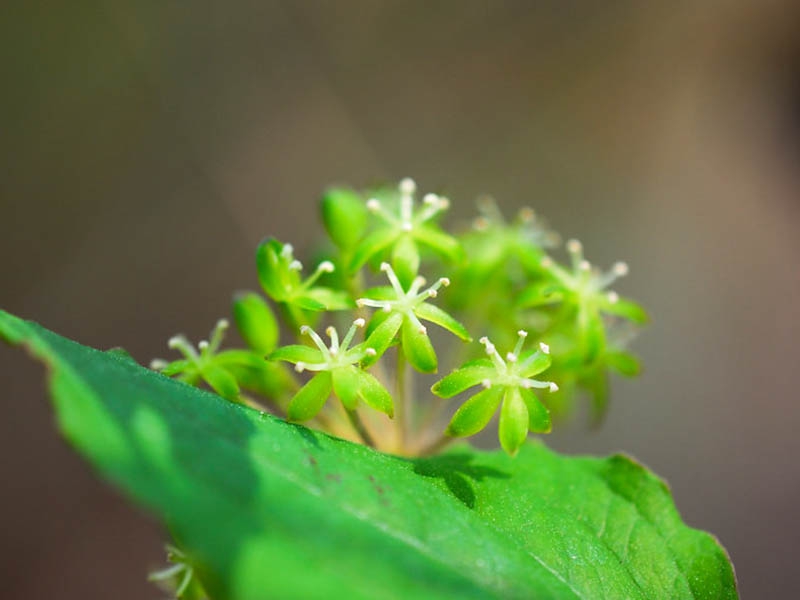
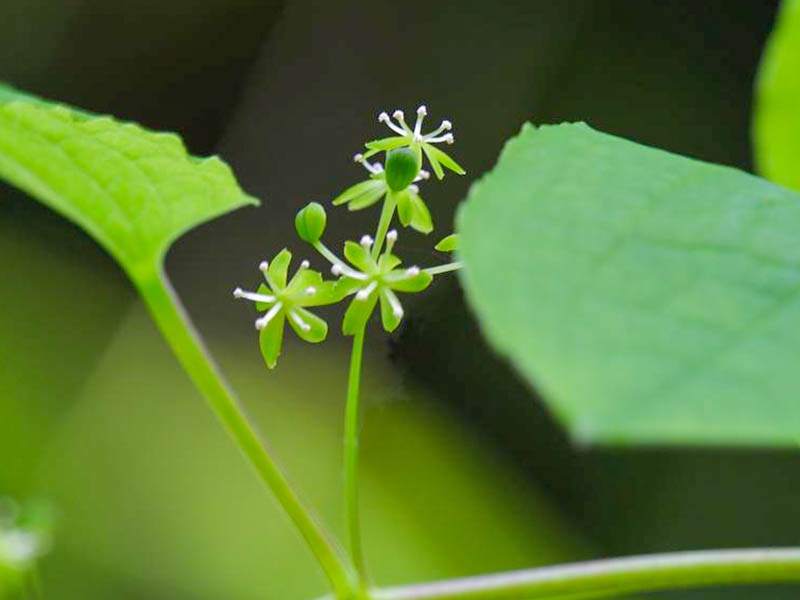
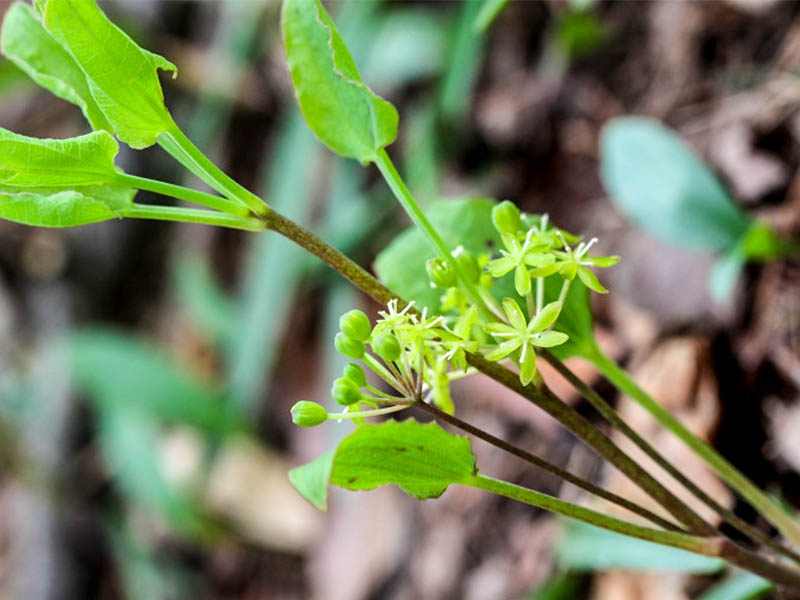
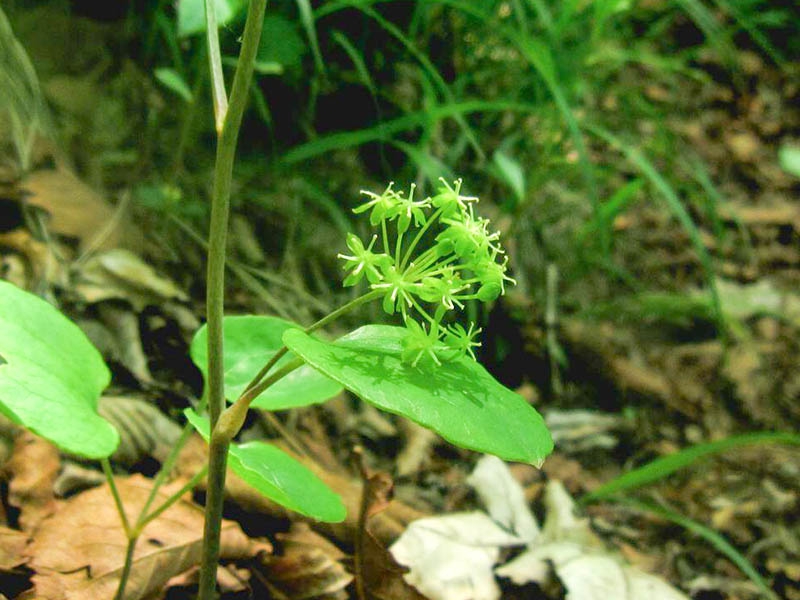
Smilax nipponica has the following growth characteristics, propagation methods, cultivation methods, garden uses, major pests and diseases, and control methods. Growth Characteristics - Seasonality: Smilax nipponica is a vine that grows primarily in warm climates and grows actively from spring to summer. - Environmental Conditions: It thrives in well-drained soil and partial shade, and is mainly found on hills or in forests with high humidity. - Morphology: The leaves are oval-shaped and glossy, and the berries ripen to red in the autumn. Propagation Methods - Seed Propagation: Collect seeds from ripe berries in the autumn and sow them the following spring. - Root Propagation: It can be propagated by dividing the roots, which has a particularly high survival rate. Cultivation Methods - Soil Management: Fertile soil with good drainage and aeration is preferred. - Watering: Maintain moist soil conditions, but be careful not to overwater. - Fertilizer: Provide nutrients using slow-release fertilizer during the growing season in spring and summer. Uses in the Garden - Landscape Plant: Its vining nature allows it to be used to cover arches or fences. - Native Garden: Suitable for creating a natural, idyllic garden atmosphere. Important Pests and Control Methods - Diseases: It is generally resistant to diseases but can be infected with leaf mold. Ensure regular ventilation and avoid leaving water on the leaf surface. - Pests: Sap-sucking pests such as aphids may appear. Use biological control methods or apply chemical control if necessary. Based on the information above, you can effectively cultivate and manage Euphorbia niponica.
Plant Type
Plant Family
Lily family
Height
1~2m
Spread
Colors
White, green
Bloom Period
May~June
Water Needs
commonly
Exposure
semi-shaded area
Freezing Resistance
-10°C
Milnamul
Smilax riparia
Smilax
Smilax china