English
한국어
English
Español
中文
हिंदी
Home
News
Community
Dictionary
English
한국어
English
Español
中文
हिंदी
View list
Yellow-tipped Branch Mammosum
Solanum mammosum
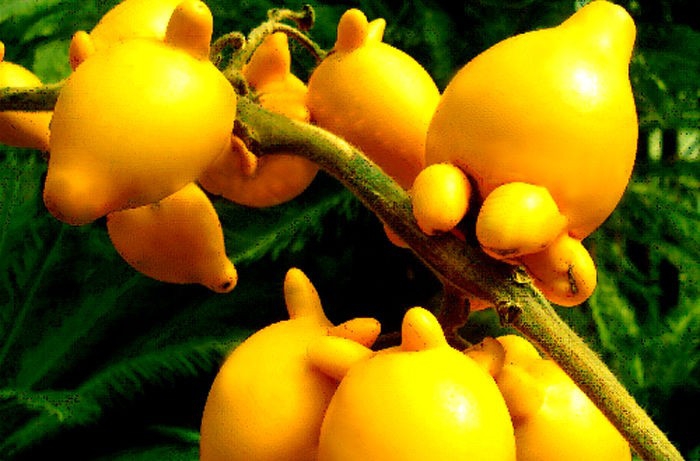
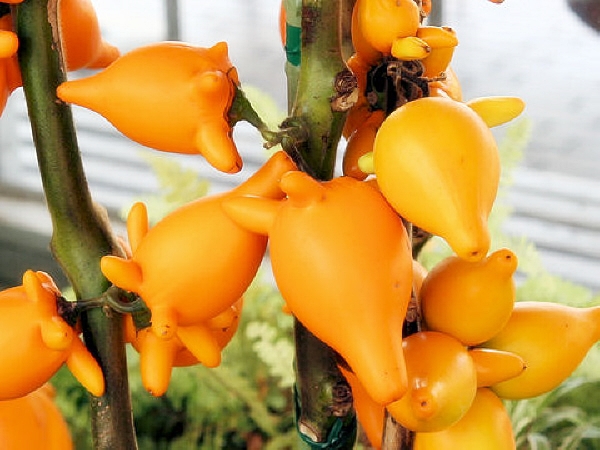
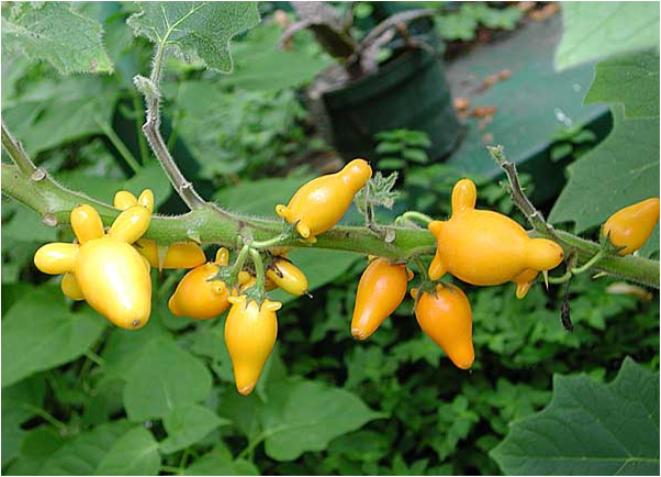
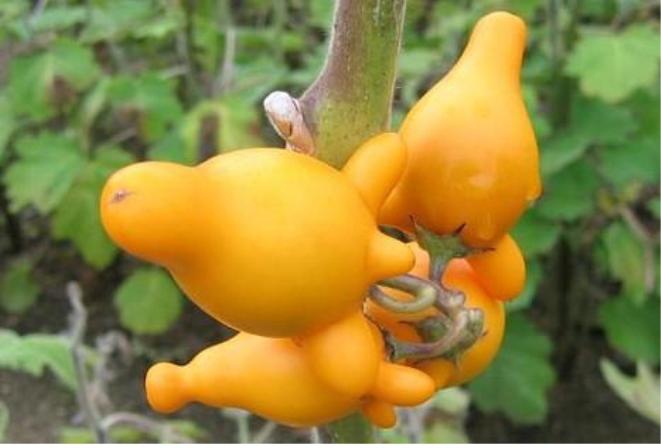
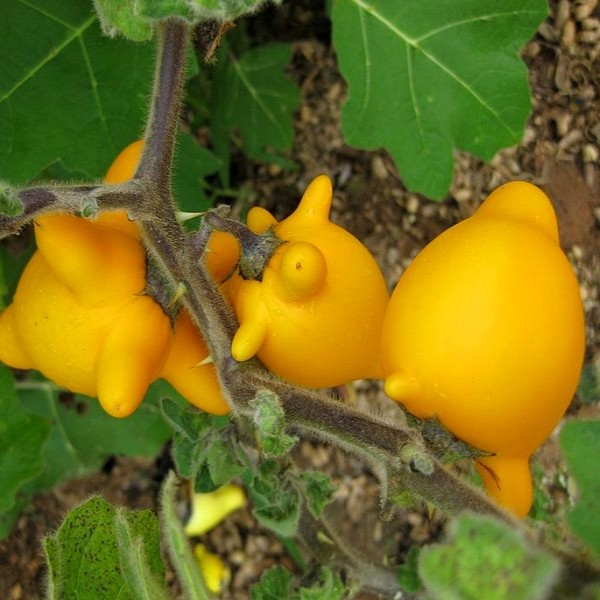
Solanum mammosum is a plant that attracts attention due to its unique fruit shape and is primarily used for ornamental purposes. The following describes the growth characteristics, propagation methods, cultivation methods, garden uses, major pests, and control methods of Solanum mammosum. Growth Characteristics - Classification: Solanaceae - Leaves: Broad oval leaves; grows best during the summer. - Fruit: Uniquely shaped yellow fruits ripen in the autumn; the fruits are not edible and may be toxic. - Size: Grows into a moderately sized shrub and requires adequate space. Propagation Methods - Seeds: Propagation by seeds is common. Seeds are collected from mature fruits. - Division: Propagation by division is possible in rare or protected environments. Cultivation Methods - Soil: Prefers fertile, well-drained soil. - Watering: Water 1 to 2 times a week, avoiding overwatering. - Sunlight: It thrives in full sun, so sufficient sunlight is required. - Temperature: It grows well in warm climates; however, indoor cultivation may be necessary in frosty regions. Uses in the Garden - Ornamental: Its unique fruit shape and color make it suitable for garden or indoor decoration. - Placement: It is ideal for planting along flower bed edges or for flower arrangements. Major Pests and Control Methods - Aphids: Can be controlled with insecticidal soap or oil sprays. - Leaf Blight: Remove diseased leaves and use fungicides if necessary. - Viruses: Remove infected plants to prevent the spread of viruses. The yellow-tipped mammoth is a relatively easy-to-care-for plant and is loved by many gardeners for its unique appearance. Considering its toxicity, it is recommended to keep the fruit out of reach of children and livestock during cultivation.
Plant Type
Plant Family
Solanaceae
Height
1~1.5m
Spread
Colors
purple
Bloom Period
June~July
Water Needs
commonly
Exposure
Sunny
Freezing Resistance
-2°C
egg plant
Solanum melongena
Aristolochia
Solanum lyratum