English
한국어
English
Español
中文
हिंदी
Home
News
Community
Dictionary
English
한국어
English
Español
中文
हिंदी
View list
Geumgang water fern
Woodsia microsora
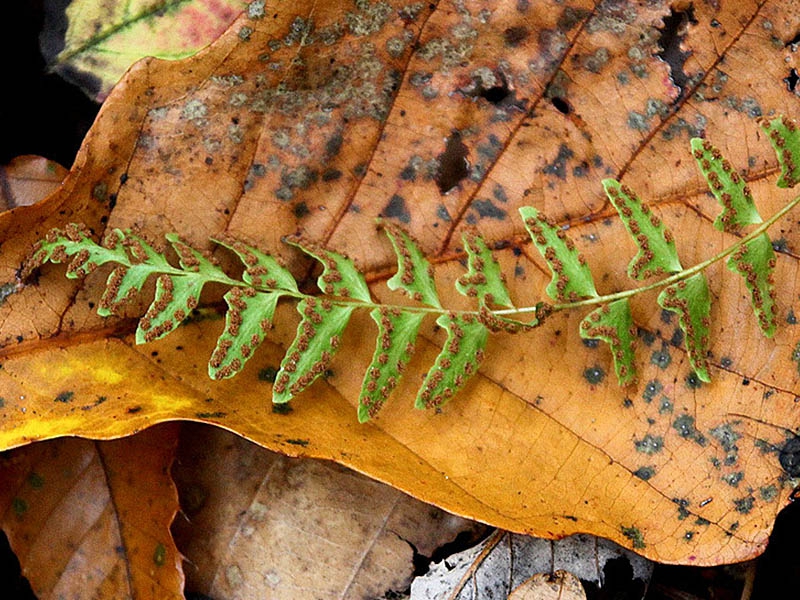
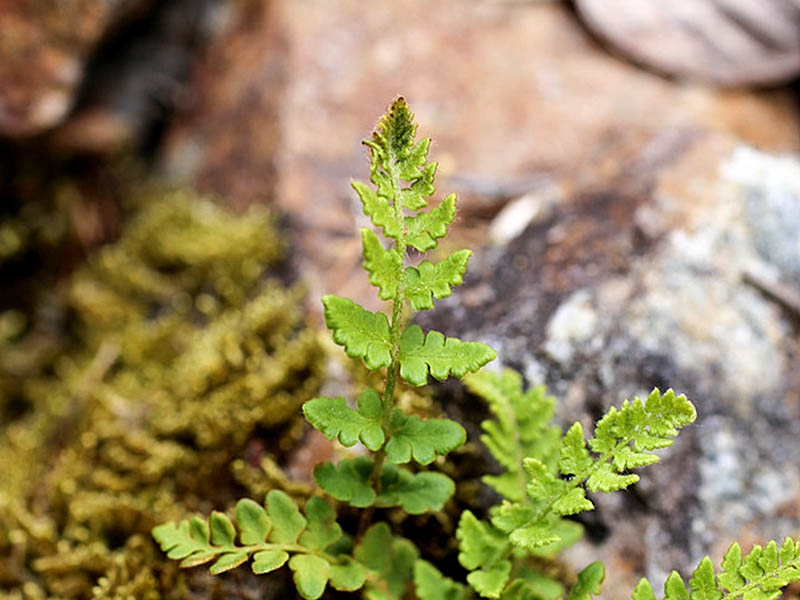
Growth Characteristics of Woodsia microsora Woodsia microsora is a plant belonging to the fern family and grows primarily in moist rock crevices or shady areas in mountainous regions. This plant is not tall and is compact overall, with pinnate leaves. It is mainly distributed in Korea and Northeast Asia, and due to its strong cold tolerance, it survives well through winter. Propagation Methods Propagation is primarily achieved by spores. Spores are produced in sporangia located on the undersides of leaves, through which new individuals grow. Spore propagation requires sufficient moisture and an appropriate temperature. While spore propagation is the primary method rather than seed propagation, root division can also be attempted. Cultivation Methods Woodsia microsora thrives in shady areas, and the soil should have good drainage and moisture retention, and be rich in organic matter. It is important to plant in well-draining soil and maintain moisture by watering frequently. It is best to avoid excessive sunlight. Although it can be grown indoors, it must be placed in a well-ventilated area. Uses in Gardens The Korean water fern (Geumgang-ga-sari) is suitable for planting in shady gardens or flowerbeds with high humidity. It can be planted in rock gardens or around small ponds to create a natural and antique atmosphere. Important Pests and Control Methods There are no specific pests or diseases, but aphids or scale insects may appear if humidity is excessively low. To prevent this, observe the plants regularly, and wiping them with soapy water or alcohol is an effective method if problems arise. Additionally, proper drainage must be maintained to prevent root rot caused by excessive moisture.
Plant Type
Plant Family
Myeonma-gwa
Height
12~20cm
Spread
Colors
sporophyte
Bloom Period
July to September (spore period)
Water Needs
commonly
Exposure
semi-shaded area
Freezing Resistance
-10°C
Mountain wood grass
Woodsia subcordata
Manchurian Woodpool
Woodsia manchuriensis