English
한국어
English
Español
中文
हिंदी
Home
News
Community
Dictionary
English
한국어
English
Español
中文
हिंदी
View list
Aristolochia
Solanum lyratum
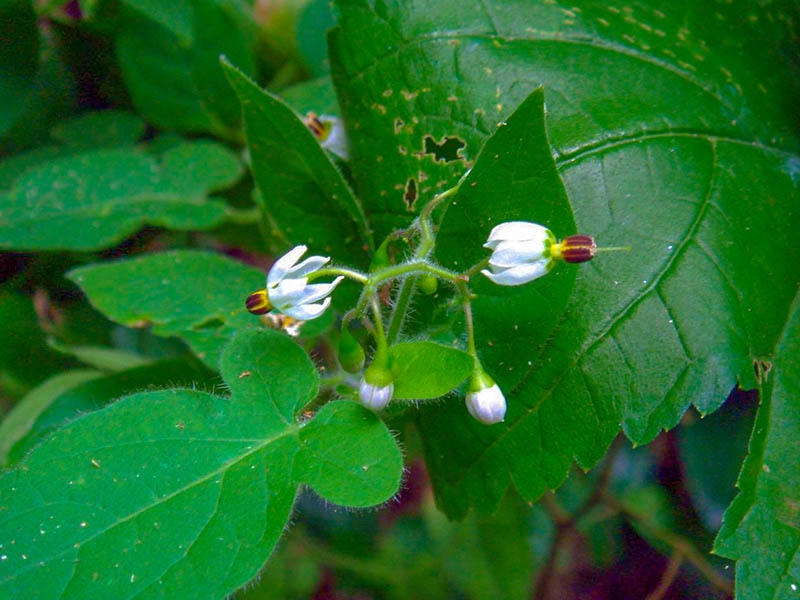
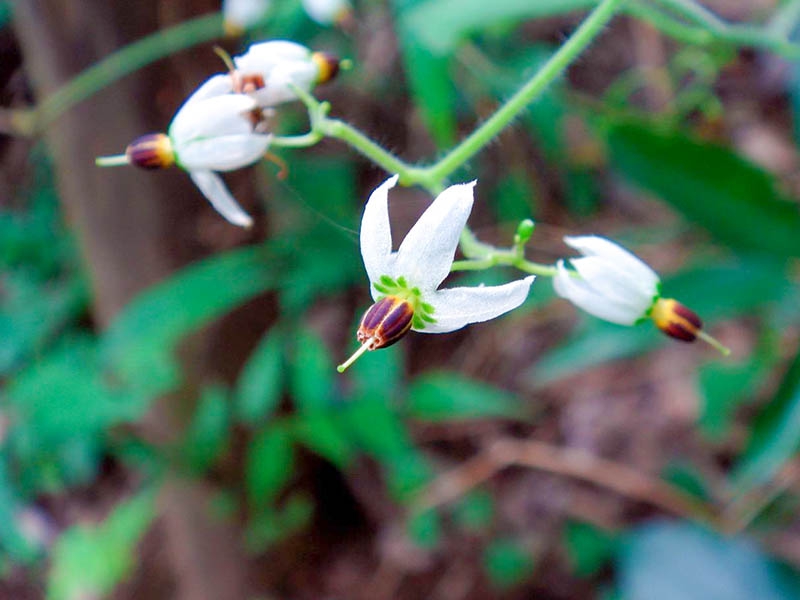
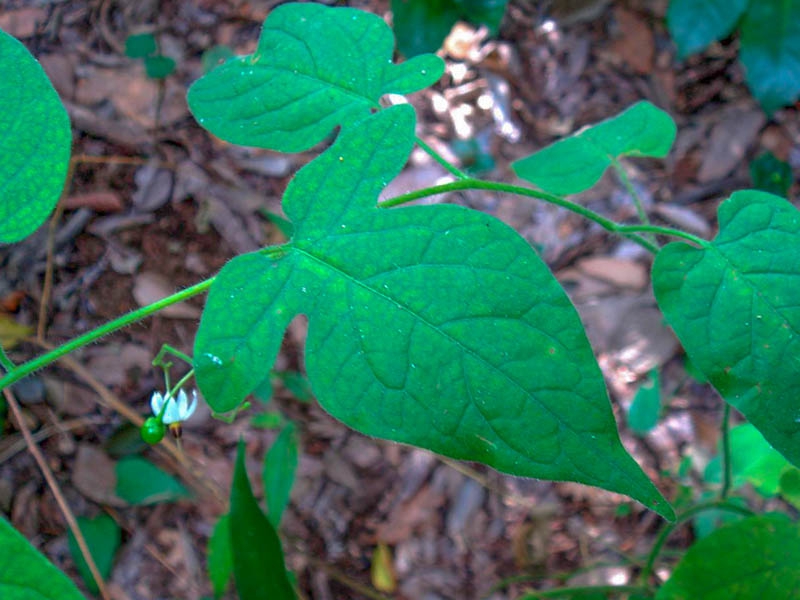
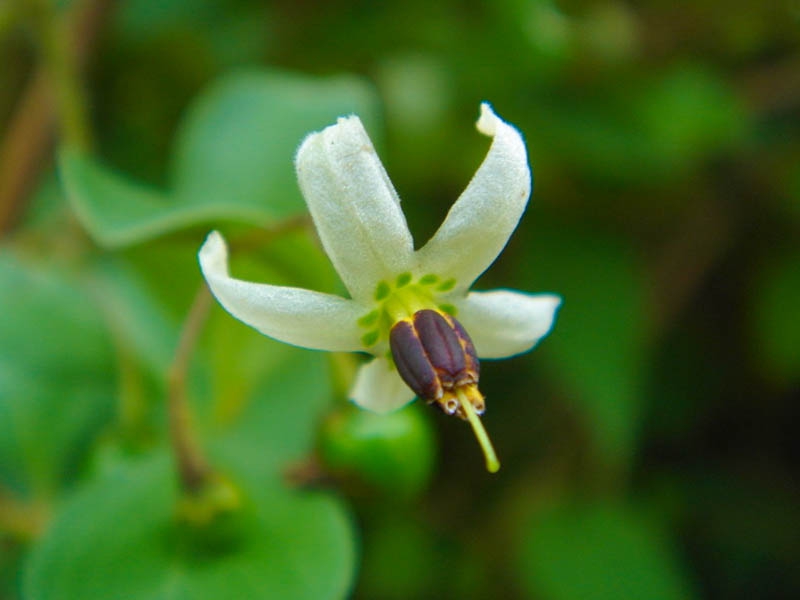
Solanum lyratum is a perennial plant belonging to the Solanaceae family and is native primarily to Asia. This section includes information on the plant's growth characteristics, propagation methods, cultivation techniques, garden uses, and major pests and diseases, as well as control methods. Growth Characteristics - Environment: Solanum lyratum thrives in sunny locations but can grow to some extent in partial shade. It prefers well-drained soil. - Growth: It grows primarily as a vining plant, climbing up other plants or supports. Its roots grow relatively deep. Propagation Methods - Seeds: Solanum lyratum can be propagated by seeds. Seeds can be sown directly in the spring or planted in seedbeds and transplanted once true leaves appear. - Cuttings: In spring or early summer, healthy stems can be broken off and planted in sand or a well-draining growing medium to encourage rooting. Cultivation Methods - Planting: It is best to plant in the spring. Select soil that is well-drained and aerated, and mix in plenty of compost before planting. - Watering: Be careful not to overwater; water when the soil surface dries out. Especially during the growing season, ensure the soil does not dry out completely. - Fertilizer: Use general compound fertilizers; fertilizing every 4 to 6 weeks during the growing season is effective. Garden Uses - Like other vines, Aristolochia liratum can be used decoratively in gardens by utilizing hedges, arches, or vine supports. Its unique flowers and fruits provide a visual focal point in the garden. Important Pests and Control Methods - Pests and Diseases: It is susceptible to fungal and viral diseases that primarily affect the leaves and stems, and can also cause pests such as aphids. - Control Methods: Inspect the plants frequently as a preventive measure, and use appropriate insecticides or fungicides if necessary. For organic methods, you can utilize natural predator insects or eco-friendly fungicides. In addition, it prevents overwatering, thereby reducing the occurrence of fungal diseases. The Liratum daisy is a relatively easy-to-care-for plant that can be naturally introduced into the garden and blend harmoniously with various other plants.
Plant Type
Plant Family
Solanaceae
Height
3m
Spread
Colors
white
Bloom Period
August~September
Water Needs
commonly
Exposure
semi-shaded area
Freezing Resistance
-10°C
Yellow-tipped Branch Mammosum
Solanum mammosum
Ground chili integrfolium
Solanum integrifolium