English
한국어
English
Español
中文
हिंदी
Home
News
Community
Dictionary
English
한국어
English
Español
中文
हिंदी
View list
Manchurian Woodpool
Woodsia manchuriensis
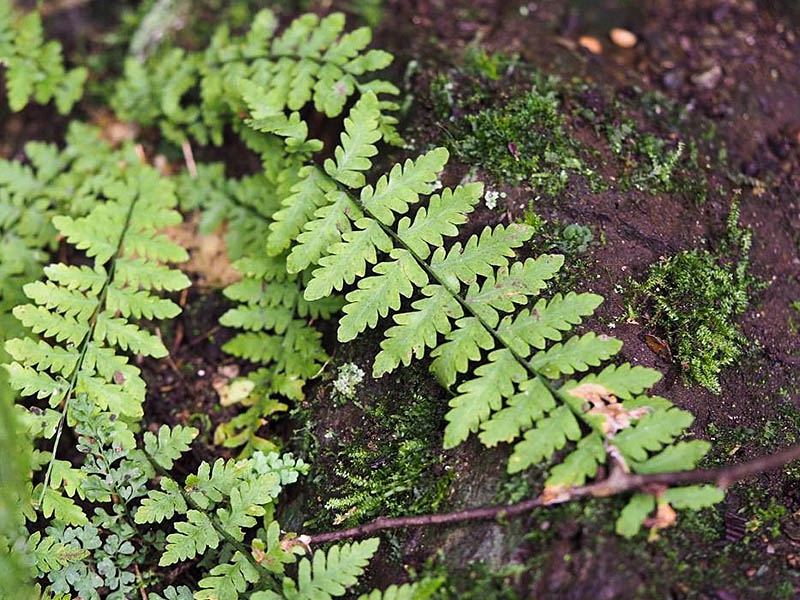
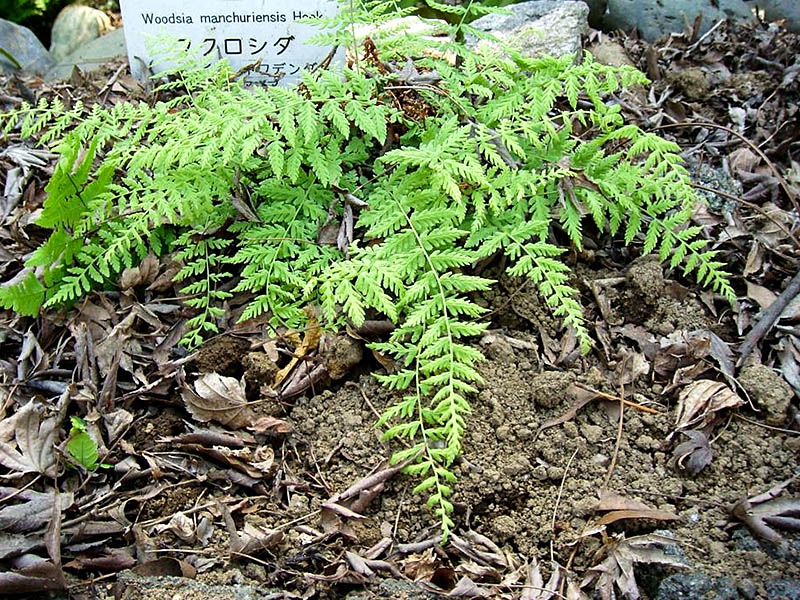
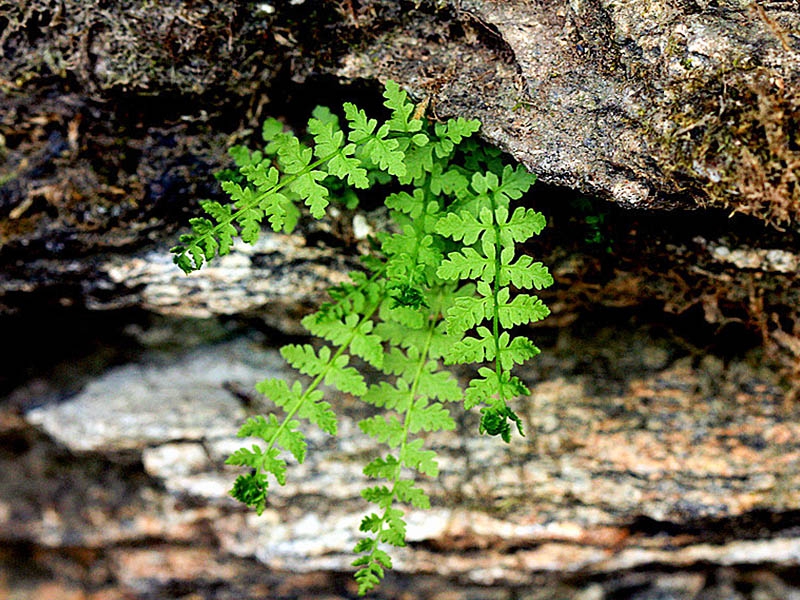
Woodsia manchuriensis has the following growth characteristics, propagation methods, cultivation methods, garden uses, and information on important pests and diseases and control methods. Growth Characteristics Woodsia manchuriensis is a perennial fern that prefers cool and humid environments. Like most ferns, it grows well in partial shade or shade and prefers well-drained soil. High temperatures and strong direct sunlight should be avoided, and it is best to keep it in a cool place, especially during the summer. Propagation Methods Woodsia manchuriensis primarily reproduces by spores. Spores detach from mature sporangia, spread to the surrounding area, and germinate. In addition to spore propagation, mature plants can also be propagated by division. Spring or autumn is the optimal time for root division. Cultivation Methods - Soil Preparation: Select well-draining soil. It is recommended to use leaf mold to increase the organic matter content of the soil. - Planting: Plant in partial shade or shade. Avoid overcrowding and maintain adequate spacing between plants. - Watering: Avoid overwatering; water when the soil surface is dry. Less watering is required during the winter. - Fertilization: Applying a small amount of fertilizer in spring and summer can promote growth. Uses in the Garden Manchurian Woodgrass is excellent for use as ground cover in shaded gardens or in rock gardens. Thanks to its natural appearance, it blends well with various other plants and is useful for adding greenery to shaded areas. Important Pests and Control Methods - Diseases: Manchurian Woodgrass is generally resistant to diseases, but root rot can occur under overwatering conditions. Ensure thorough drainage management, and dry out the soil immediately if problems arise. - Pests: While no major pests have been identified, some leaf beetles or scale insects may occur. Control them through regular observation and, if necessary, using insect soap or natural insecticides. We hope this information is helpful for the cultivation and care of Manchurian Woodgrass.
Plant Type
Plant Family
Myeonma-gwa
Height
10~20cm
Spread
Colors
sporophyte
Bloom Period
June to August (spore period)
Water Needs
commonly
Exposure
semi-shaded area
Freezing Resistance
-30°C
Geumgang water fern
Woodsia microsora
Zombwood grass
Woodsia intermedia