English
한국어
English
Español
中文
हिंदी
Home
News
Community
Dictionary
English
한국어
English
Español
中文
हिंदी
View list
Chinese Rowan 'Pink Pagoda'
Sorbus pseudohupehensi
'Pink Pagoda'
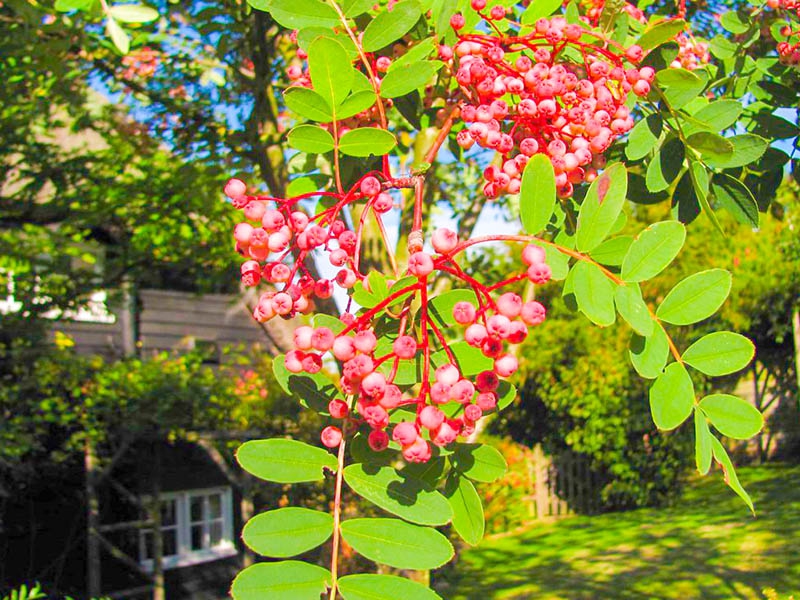
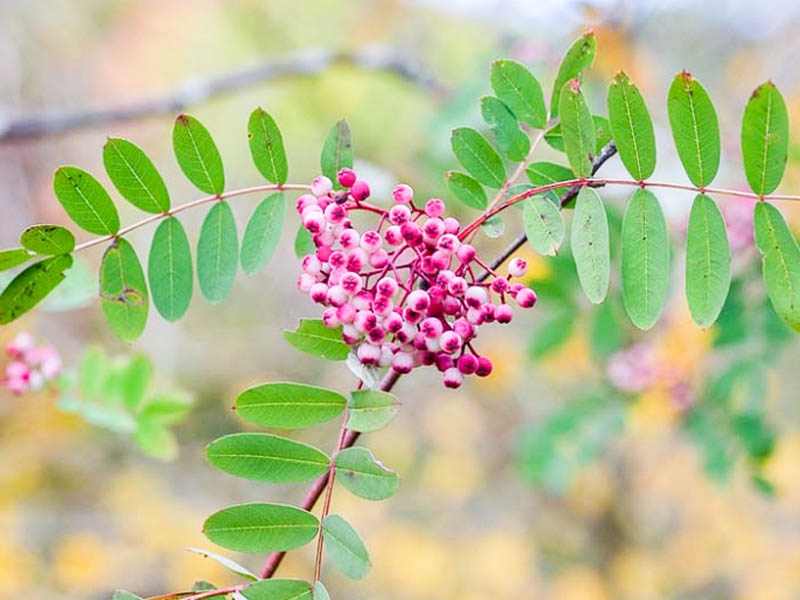
The Chinese Rowan 'Pink Pagoda' (Sorbus pseudohupehensis 'Pink Pagoda') is a tree native to China that is highly popular in gardens due to its attractive pink berries and elegant form. The following is information regarding this plant's growth characteristics, propagation methods, cultivation methods, garden uses, and major pests and diseases and control methods. Growth Characteristics - Appearance: The 'Pink Pagoda' is a medium-sized tree that grows to a height of approximately 6 to 10 meters and bears attractive pink berries in the autumn. Its leaves are feather-shaped and turn yellow or red in the fall. - Growing Conditions: It prefers sunny locations and thrives in well-drained soil. It is highly cold-hardy, allowing it to be cultivated even in cold regions. Propagation Methods - Seed Propagation: It can be propagated by seeds, which are generally best harvested in the autumn. The seeds should be softened at low temperatures and sown in the spring. - Propagation by Cuttings: It can be propagated by taking semi-hardwood cuttings between late summer and early autumn. Place the cuttings in water to encourage root development. Cultivation Methods - Basic Care: Plant in a location that receives ample sunlight and select well-draining soil. Provide sufficient water during the growing season, but avoid overwatering. - Pruning: You can adjust the desired shape through pruning as needed. Generally, it is recommended to prune in winter. Uses in the Garden - Landscape Creation: The 'Pink Pagoda' can be used for shade or as a landscape plant to add a focal point with its beautiful fruit and leaf colors. - Artificial Planting: It can be planted alongside other deciduous or evergreen trees to create a more lush garden environment. Important Pests and Diseases & Control Methods - Diseases: Generally, diseases do not occur when growing under healthy conditions; however, pathogens can develop if the soil is overwatered or ventilation is poor. To prevent disease, ensure thorough drainage and use appropriate fungicides if necessary. - Pests: Pests such as aphids and moth larvae may occur. If pests are found, they can be controlled by washing them off with water or using appropriate insecticides. If you cultivate the tree properly with these characteristics and care methods in mind, you can grow it into a very attractive and healthy tree for your garden.
Plant Type
Plant Family
Rosaceae
Height
6~7.5m
Spread
4.5~6m
Colors
white
Bloom Period
May to August
Water Needs
commonly
Exposure
Sunny
Freezing Resistance
-30°C
Swedish Red Bean Tree Intermedia
Sorbus intermedia
European red rowan 'lutescens'
Sorbus aria 'Lutescens'