English
한국어
English
Español
中文
हिंदी
Home
News
Community
Dictionary
English
한국어
English
Español
中文
हिंदी
View list
Areolata
Woodwardia areolata
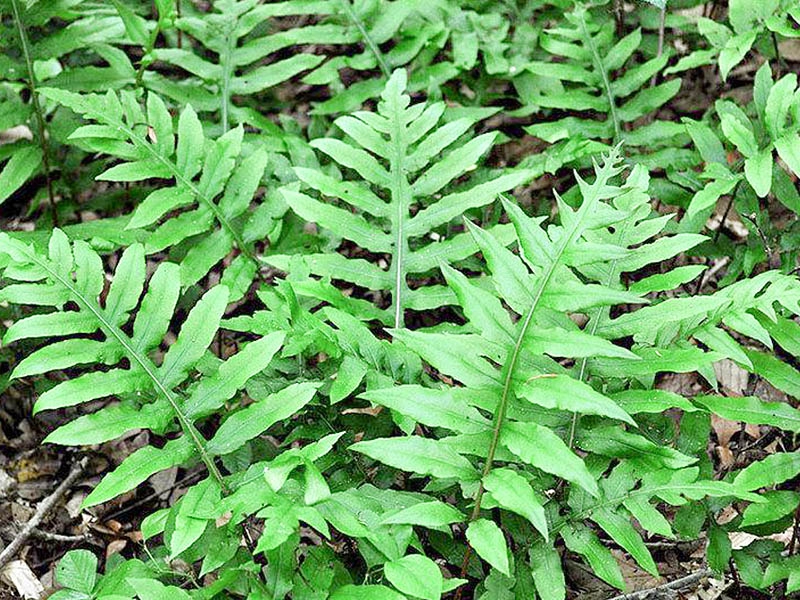
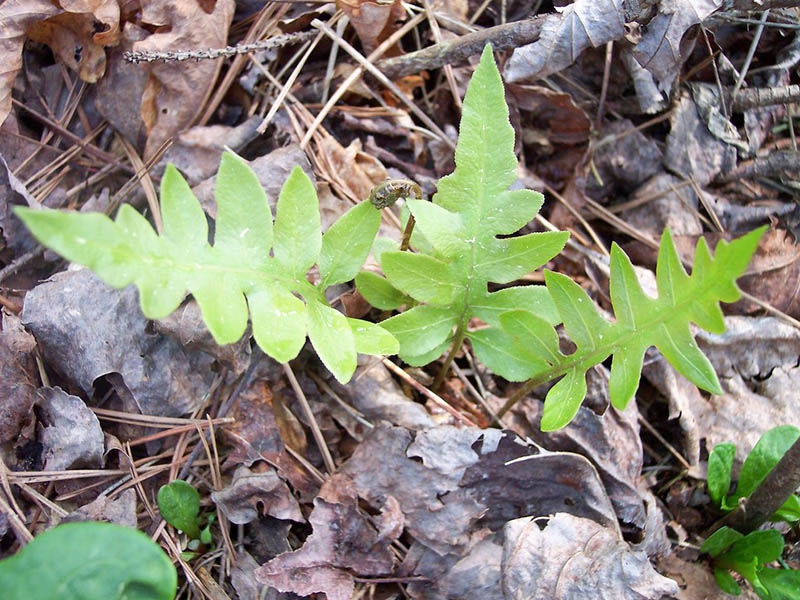
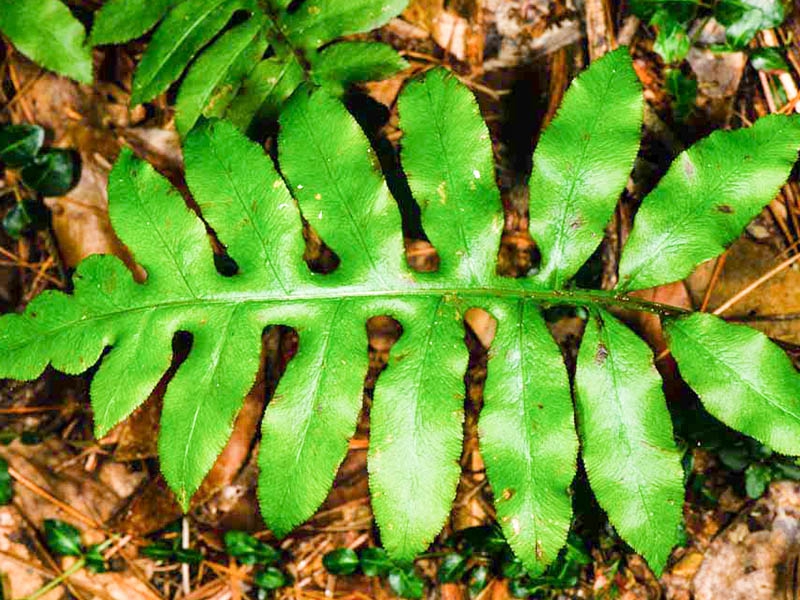
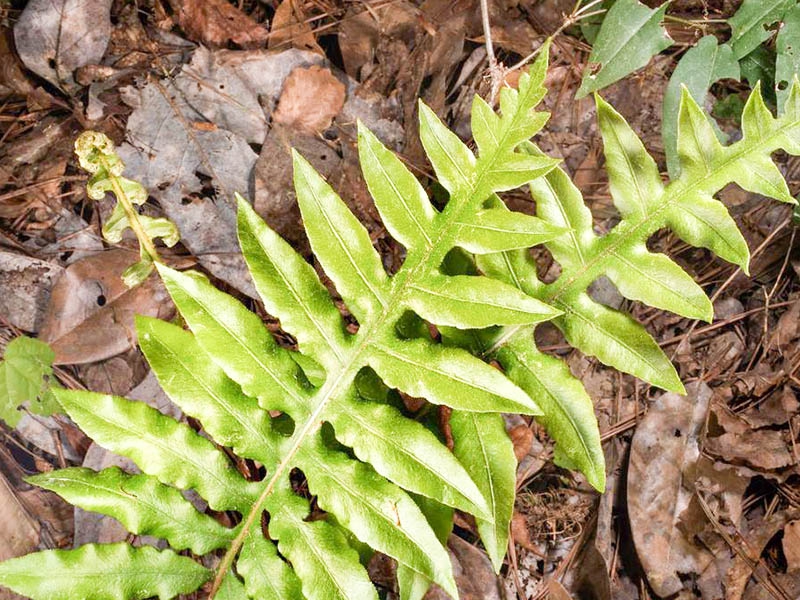
Growth Characteristics Woodwardia areolata thrives in moist soil and exhibits optimal growth in partial shade. It prefers a hot and humid environment, and its leaves grow upright with a long, narrow shape. Propagation Methods This plant primarily reproduces by spores. Spores are collected when mature and sown in moist potting soil. Additionally, if the clump is large, it can be propagated by root division. Cultivation Methods - Soil Preparation: Select moist soil and plant in well-draining soil. - Planting: Transplant seedlings grown in pots to the garden in spring or autumn. - Watering: Water consistently to prevent the soil from drying out. - Fertilization: It is beneficial to provide slow-release fertilizer during the growing season. Garden Uses Woodwardia areolata is suitable for planting in shady gardens, around ponds, and in moist areas, creating a natural atmosphere. In particular, planting it alongside ferns creates a harmonious landscape. Important Pests and Diseases and Control Methods - Diseases: Fungal diseases may occur in humid environments. Prevention involves creating a well-ventilated and sunny environment. - Pests: Aphids or scale insects may occur; wipe them off with edible liquid soap or use an appropriate insecticide. Proper maintenance and periodic observation are important for the healthy growth of this plant.
Plant Type
Plant Family
family Lysimachia
Height
30~60cm
Spread
30~60cm
Colors
green
Bloom Period
April to August
Water Needs
commonly
Exposure
semi-shaded area
Freezing Resistance
-10°C
Birginica
Woodwardia virginica
Radicans
Woodwardia radicans