English
한국어
English
Español
中文
हिंदी
Home
News
Community
Dictionary
English
한국어
English
Español
中文
हिंदी
View list
sugarcane
Sorghum bicolor
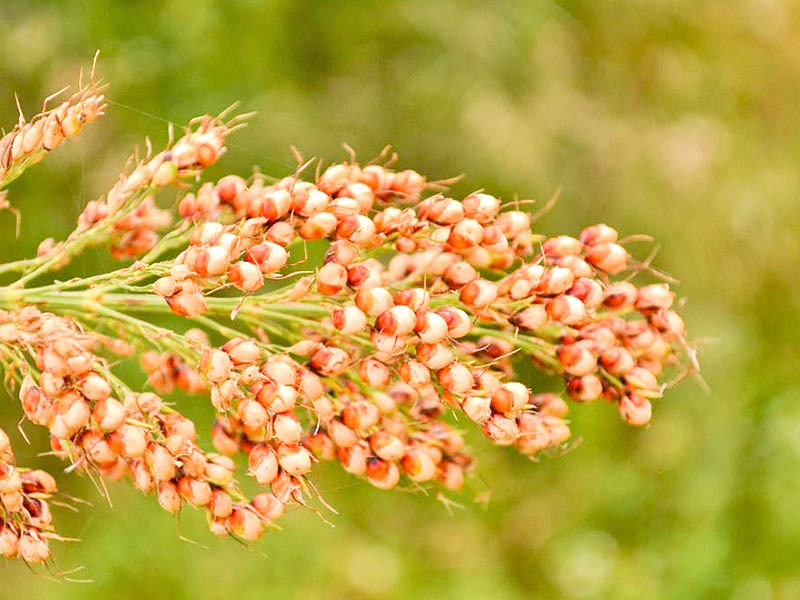
Characteristics and Cultivation Information of Sorghum Bicolor #Growth Characteristics - Scientific Name: Sorghum bicolor - Family: Poaceae - Growth Conditions: Sorghum thrives in warm climates and possesses excellent drought tolerance, allowing it to withstand dry environments. Well-drained sandy loam or loam soil is suitable. - Growth Cycle: As an annual plant, it is sown in spring and harvested in autumn. #Propagation Method - Seed Sowing: It is propagated by seeds and germinates quickly under suitable conditions. - Sowing Time: Generally, seeds are sown in spring when temperatures rise. - Germination Conditions: The optimal temperature for germination is 20–30°C, and adequate moisture must be maintained. #Cultivation Method - Soil Preparation: Before sowing, add organic fertilizer to the soil to maintain fertility. - Sowing Method: Sow in rows or spot at regular intervals to ensure even distribution. - Water Management: While sufficient water supply is important during the initial growth stage, periodically check soil moisture levels thereafter to avoid excessive moisture. - Fertilizer Management: Apply nitrogen, phosphorus, and potassium fertilizers appropriately to ensure a continuous supply of nutrients. #Utilization in Gardens - Sorghum is easy to cultivate, making it suitable for home gardens. It has the advantage of being less susceptible to pests. - It is also used as an ornamental plant, and its ability to maintain its appearance even in dry conditions provides a natural scenic beauty. #Important Pests and Control Methods - Diseases: Sorghum Mercury Disease and Sorghum Leaf Blight may occur. - Control Methods: Apply pesticides at the early stages of disease development and ensure adequate ventilation and sunlight. - Pests: The sorghum stem borer and sorghum root aphid are major pests. - Control Methods: To minimize pest damage, apply insecticides early and consider using natural enemies to control them within the natural ecosystem. Through proper management and pest control methods, stable production of sorghum bicolor is possible. This enables it to fulfill its role as a sustainable crop.
Plant Type
Plant Family
Poaceae
Height
1.5~3m
Spread
Colors
brown
Bloom Period
July~August
Water Needs
commonly
Exposure
Sunny
Freezing Resistance
-2°C
Nutans
Sorghastrum nutans
Sorghum
Sorghum nitidum