English
한국어
English
Español
中文
हिंदी
Home
News
Community
Dictionary
English
한국어
English
Español
中文
हिंदी
View list
Twisting water moss Subsekundum
Sphagnum subsecundum
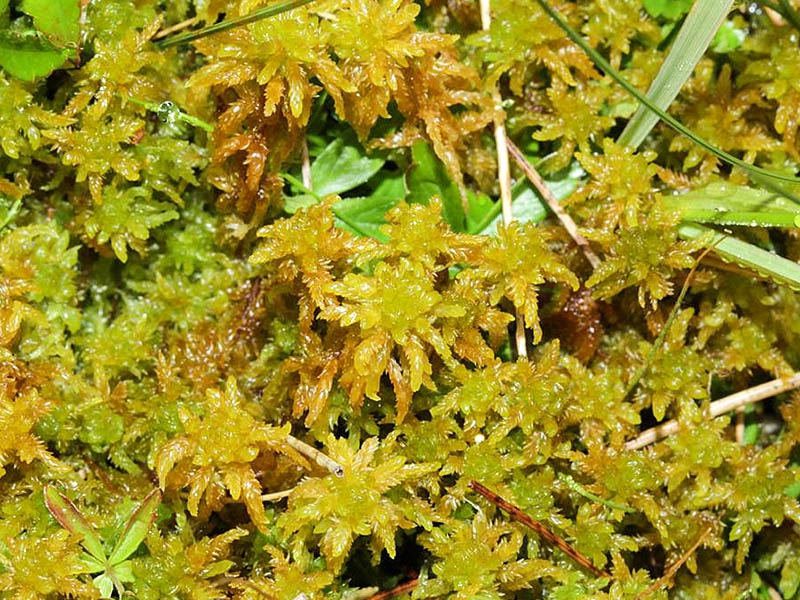
Sphagnum subsecundum is a plant commonly found in wetlands and moss beds, primarily distributed in temperate and boreal regions of the Northern Hemisphere. Mosses possess excellent soil moisture retention capabilities and thrive even in low nutrient conditions. Growth Characteristics: Sphagnum subsecundum grows particularly well in acidic wetlands. Mosses do not require much light and can grow through photosynthesis with only carbon dioxide and water. It is best to maintain moist soil and avoid strong sunlight. Reproduction Methods: Sphagnum subsecundum reproduces primarily through asexual reproduction. This is a method where fragmented moss grows into new individuals in environments with appropriate moisture. It can also reproduce via spores, which are dispersed by the wind. Cultivation Methods: To cultivate Sphagnum subsecundum, it is important to prepare a highly acidic growing medium and maintain consistent moisture. A semi-shaded location is suitable, and it is advisable to block strong direct sunlight. Water thoroughly, but avoid excessive moisture. Uses in the Garden: Thanks to its ability to retain moisture well, water moss is excellent for creating wetlands in the garden or planting around aquatic plants. It is useful for creating wetland gardens when combined with various plants, and it can also be used for decorative purposes. Important Pests and Control Methods: Water moss can primarily suffer from problems caused by environmental stress, and diseases caused by bacteria or fungi may occur. To prevent these issues, it is important to maintain appropriate humidity and ensure good ventilation. Additionally, damaged parts should be removed immediately to prevent the spread of disease. In general, it is advisable to resolve these issues through environmental management rather than chemical control.
Plant Type
Plant Family
Water moss family
Height
0.5~1mm
Spread
Colors
sporophyte
Bloom Period
Water Needs
well
Exposure
shade
Freezing Resistance
-10°C
Speralcia ambigua
Sphaeralcea ambigua
Squatrosum
Sphagnum squarrosum