English
한국어
English
Español
中文
हिंदी
Home
News
Community
Dictionary
English
한국어
English
Español
中文
हिंदी
View list
acid-free box
Sphallerocarpus gracilis
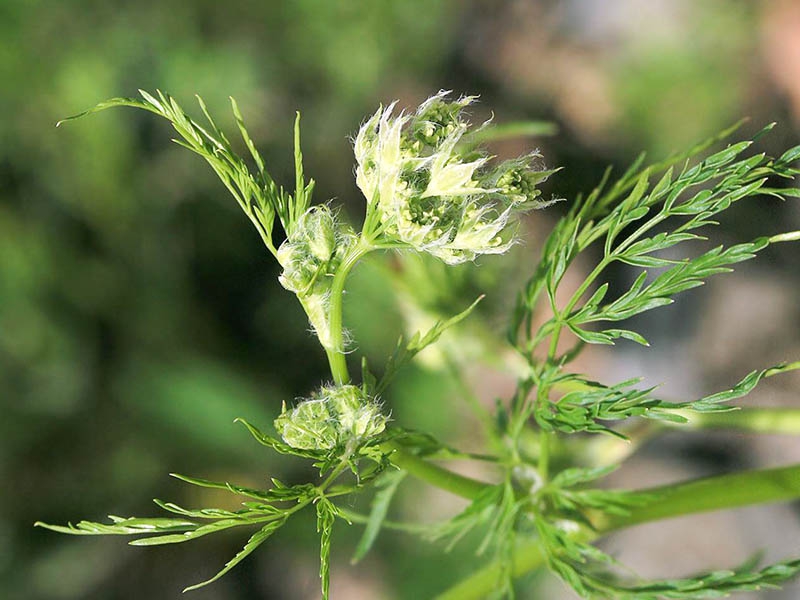
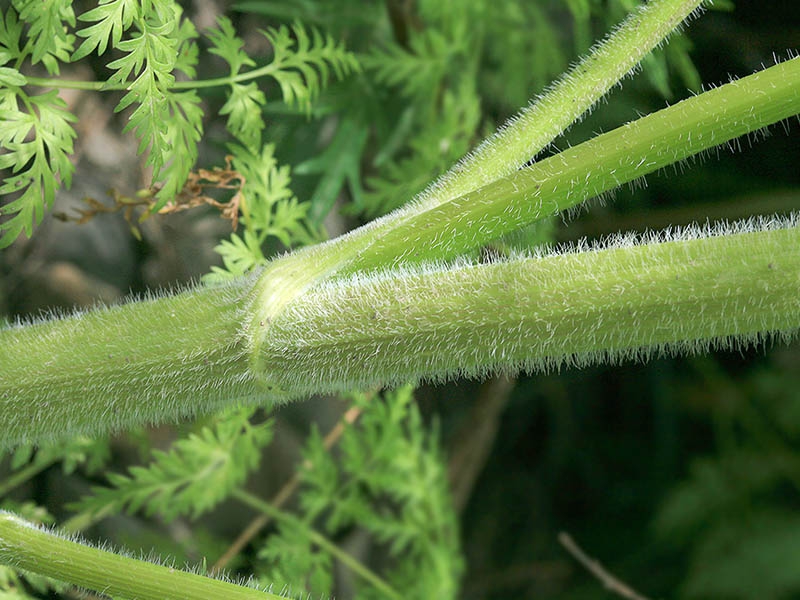
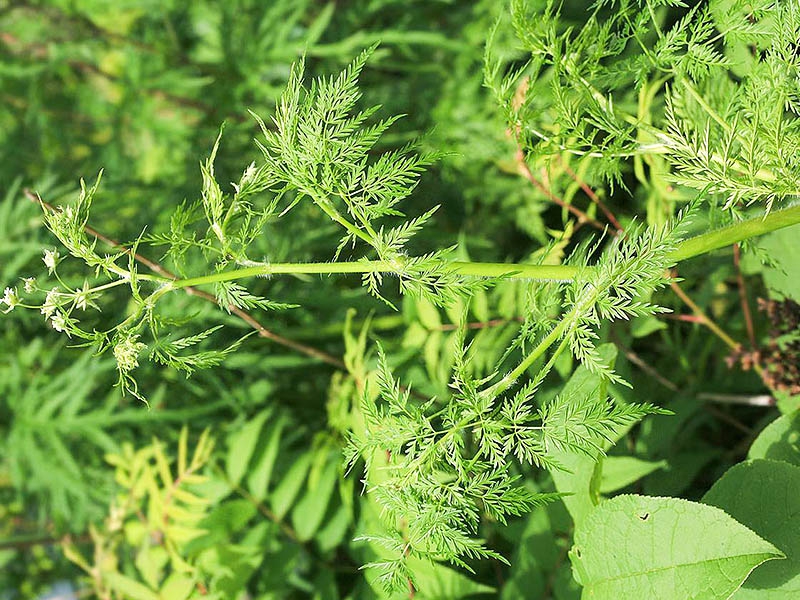
Sphallerocarpus gracilis is a perennial herbaceous plant that thrives primarily in forest edges or wetlands. This plant grows to a height of approximately 50 to 100 cm, and its leaves are pinnately compound, exhibiting various forms. Growth Characteristics - Environment: It grows well in a wide range of environments, from partial shade to full sun, and prefers moist soil. - Soil: It thrives in well-drained sandy or loam soils. - Temperature: It tolerates cool climates well and can grow naturally without special temperature control. Propagation Methods - Seed Propagation: It is generally propagated by seeds; spring or late autumn is the appropriate time for sowing. - Root Division: It can be transplanted by dividing the roots in the spring. Cultivation Methods - Planting: Plant at appropriate intervals and arrange the plants to ensure good ventilation. - Watering: Water when the surface dries out, but avoid overwatering. - Fertilizer: During the growing season, you can lightly supply organic fertilizer. Uses in the Garden- It is suitable for planting along garden edges or borders, and can be mixed with other wildflowers to create a natural atmosphere. - It is also useful as a material for ecological gardens. Important Pests and Control Methods - Diseases: It is generally resistant to disease, but mold may develop on the leaves. In this case, you should ensure good ventilation and pay attention to moisture control. - Pests: Insects can damage the leaves; inspect the area periodically and remove any pests found immediately. - Control Methods: For eco-friendly methods, you can control pests using soapy water or garlic extract. Natural insecticides can be used if necessary. By utilizing this information, you can properly manage and cultivate the box gracilis.
Plant Type
Plant Family
Apiaceae
Height
50~100cm
Spread
Colors
white
Bloom Period
August
Water Needs
commonly
Exposure
semi-shaded area
Freezing Resistance
-10°C
Squatrosum
Sphagnum squarrosum
Iacux hymensis
Sphenolobus yakushimensis