English
한국어
English
Español
中文
हिंदी
Home
News
Community
Dictionary
English
한국어
English
Español
中文
हिंदी
View list
Spiraea
Spiraea chinensis
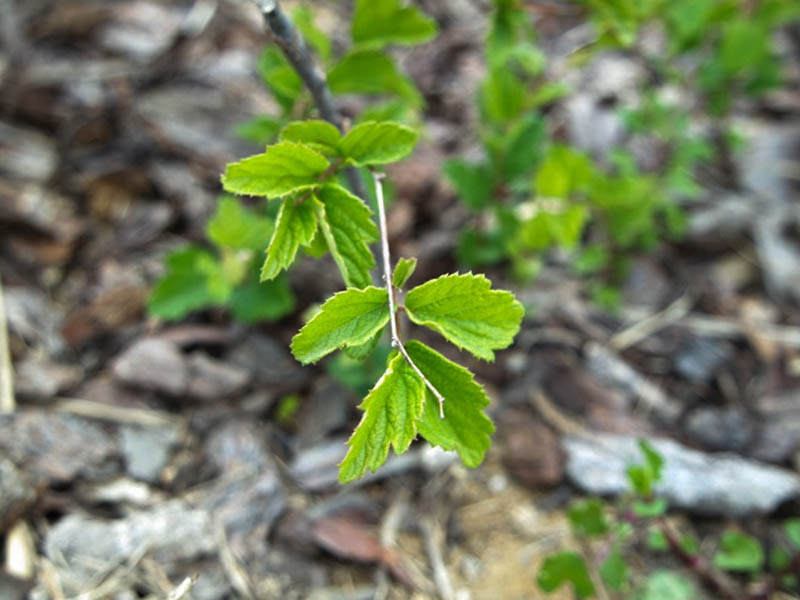
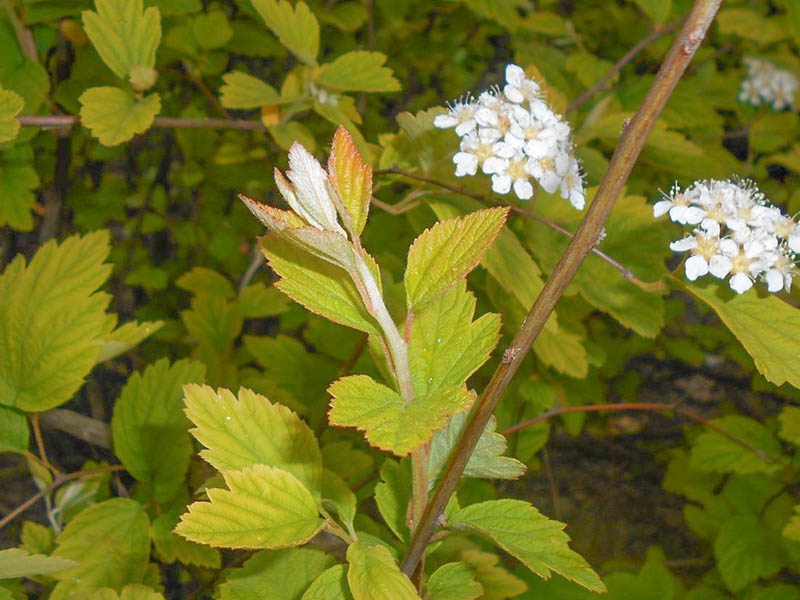
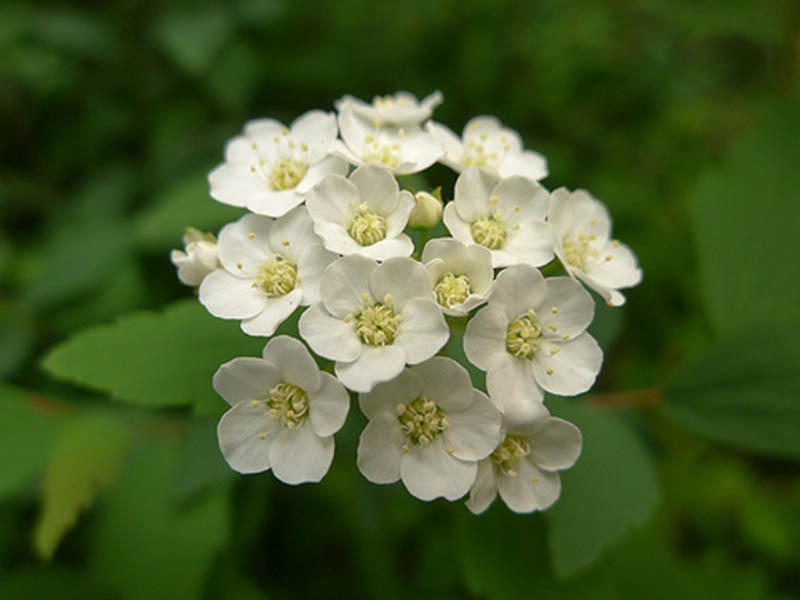
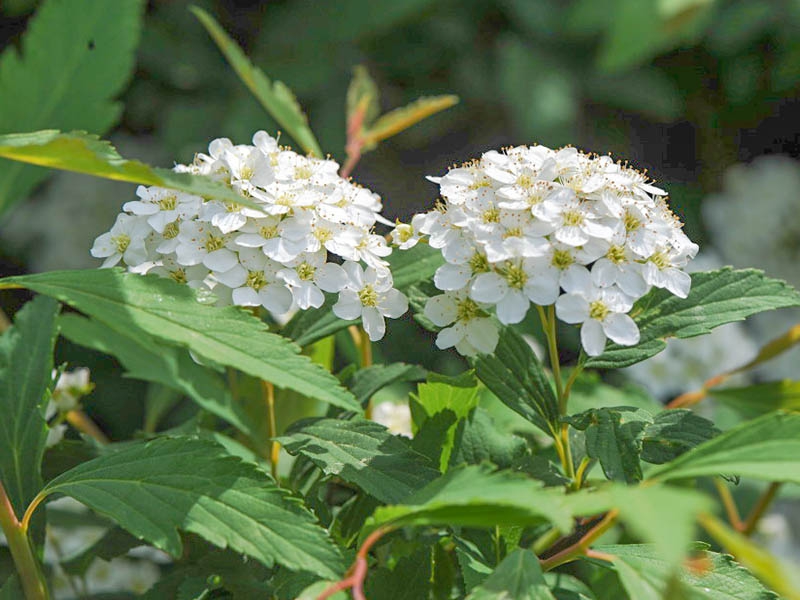
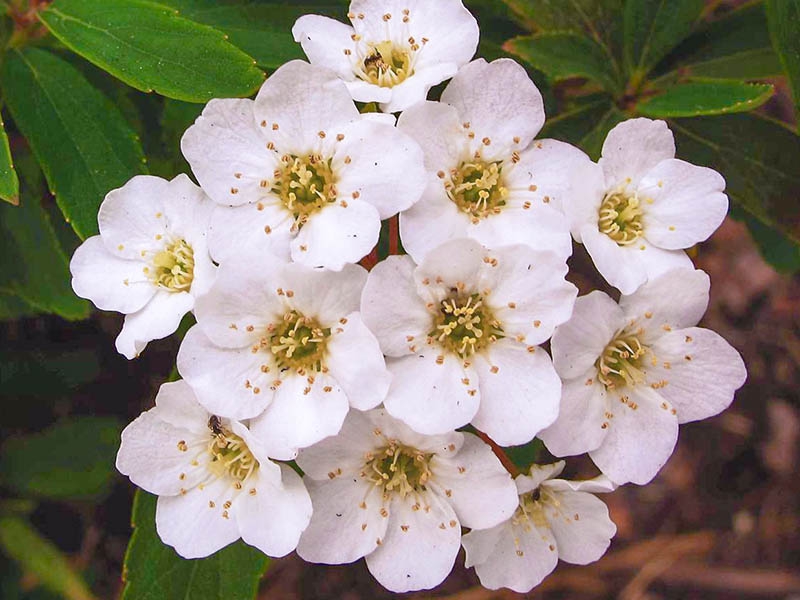
Spiraea chinensis is a deciduous shrub native to East Asia, famous for its beautiful flowers that bloom particularly in the spring. This plant is popular among many gardeners due to its versatility in gardens and ease of care. Below is information regarding the growth characteristics, propagation methods, cultivation methods, garden uses, and major pests and diseases, as well as control methods for Spiraea chinensis. Growth Characteristics - Size and Form: Spiraea typically grows to a height of 1 to 2 meters and takes on a bushy form. Its branches grow abundantly and are woody in color, and its leaves are narrow and elongated oval-shaped. - Flowers: White or light pink flowers bloom from spring to early summer. The small flowers form dense inflorescences, making it highly valuable as an ornamental plant. - Growing Environment: It prefers sunlight but can thrive in partial shade. While it grows in various soil types, it thrives most healthily in well-drained soil. Propagation Methods - Seed Propagation: Mature fruits ripen in the autumn, and seeds can be collected and planted in early spring for propagation. However, since germination rates can be low, propagation by cuttings is generally preferred over seedlings. - Cutting Propagation: In spring or early summer, cut off newly grown branches and either place them in water or plant them directly in soil to encourage rooting. Cultivation Methods - Planting: When selecting a planting location, choose a spot that receives sufficient sunlight. The soil should be fertile and well-drained. - Watering: Water consistently during the initial growing season, but once the roots are established, relying on natural precipitation is sufficient. However, additional watering may be necessary during droughts. - Fertilization: Provide nutrients using slow-release fertilizer in late winter or early spring. Uses in the Garden - Spiraea can be planted along the edges of flowerbeds to define boundaries or used as a low hedge. It is also suitable for creating a vibrant scene by harmonizing with flowers of various colors. Important Pests and Control Methods - Diseases: While there are few particularly prominent diseases, root rot may occur if the soil becomes waterlogged. To prevent this, well-drained soil must be maintained. - Pests: Small pests such as aphids or lice may occur. Since these pests inhibit growth by sucking plant sap, periodic observation and appropriate control are necessary. Prevention can be achieved through regular watering and ventilation, and if necessary, control can be carried out using eco-friendly insecticides. Silkworm quinensis provides beautiful flowers in the garden without special care, making it highly attractive when introduced into a garden.
Plant Type
Plant Family
Rosaceae
Height
1.5m
Spread
Colors
white
Bloom Period
May~June
Water Needs
commonly
Exposure
Sunny
Freezing Resistance
-30°C
Spiraea
Spiraea fritschiana
Spiraea japonica
Spiraea chamaedryfolia