English
한국어
English
Español
中文
हिंदी
Home
News
Community
Dictionary
English
한국어
English
Español
中文
हिंदी
View list
Spiraea
Spiraea thunbergii
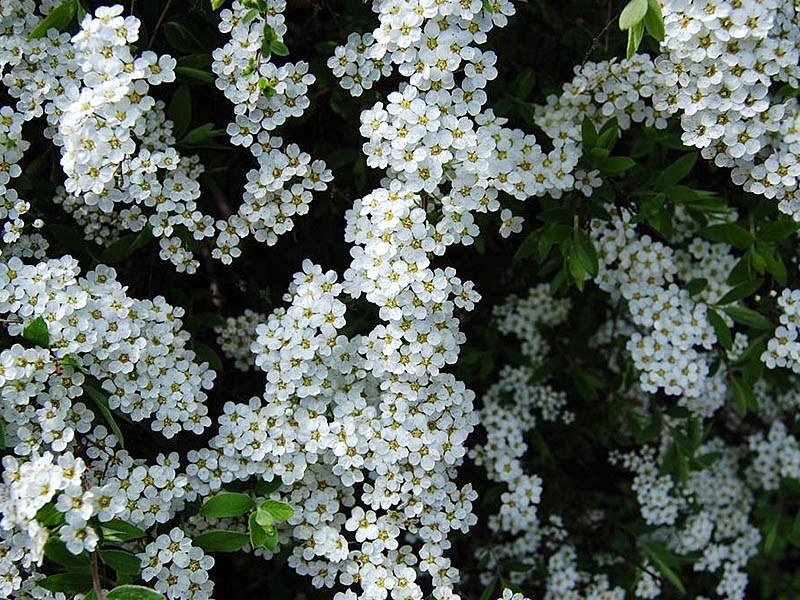
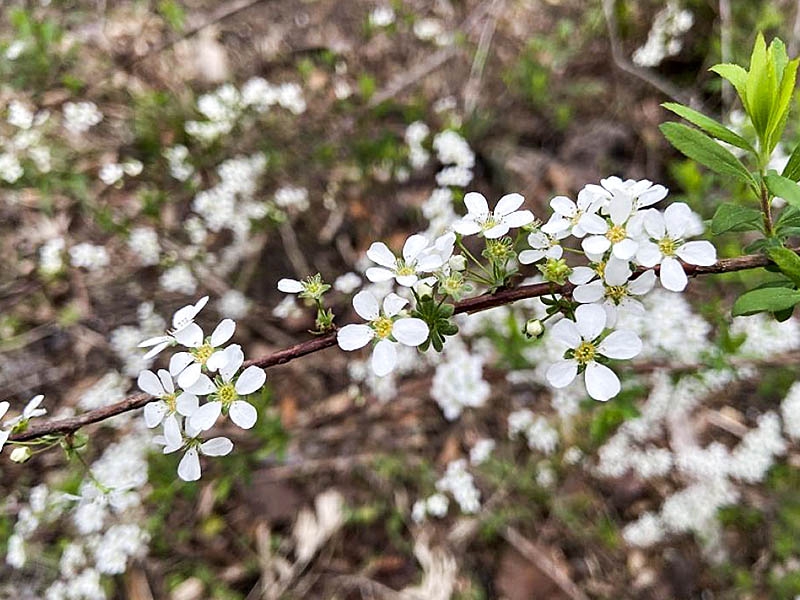
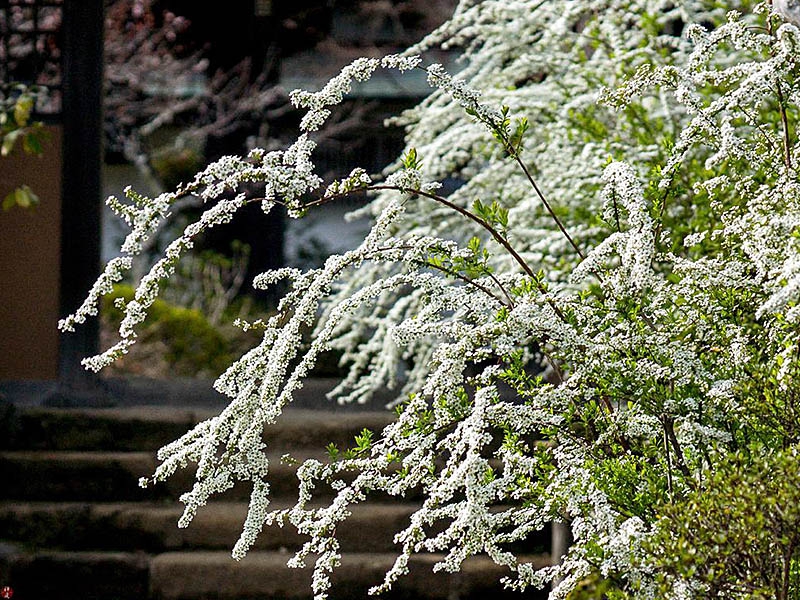
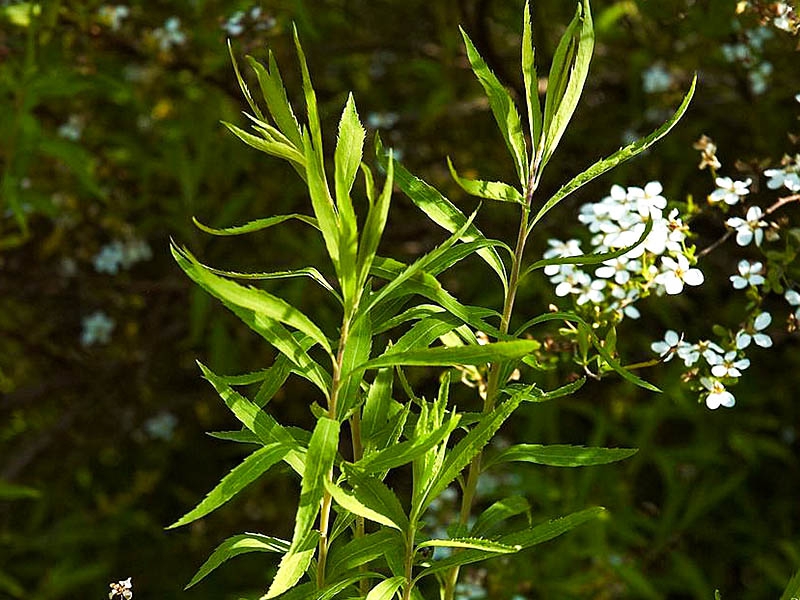
Spiraea thunbergii is a deciduous broad-leaved shrub belonging to the Rosaceae family, providing a beautiful landscape with its abundant white flowers blooming in the spring. The following is information regarding this plant's growth characteristics, propagation methods, cultivation methods, garden uses, and major pests and diseases, as well as control methods. Growth Characteristics - Height: Typically grows to 1 to 1.5 meters. - Leaves: Has narrow, elongated oval leaves that turn yellow in the autumn. - Flowers: White flowers bloom in March and April before the leaves appear; small flowers bloom in clusters at the tips of branches, creating an abundant display. Propagation Methods - Seeds: Propagation by seeds is possible, but the germination rate is low. - Cuttings: It is common to propagate via green cuttings during the summer. Cut branches are planted in water or in a mixture of sand and perlite. - Division: It can also be propagated by dividing a well-grown mother plant. Cultivation Method - Soil: It thrives in well-drained soil; it is best to avoid overly wet areas. - Sunlight: It grows well in full sun but can also be grown in partial shade. - Watering: Proper watering is necessary during the initial establishment phase, but it is relatively drought-tolerant thereafter. - Fertilizer: It is recommended to apply organic fertilizer in the spring and autumn. Garden Uses Bridal Spiraea is excellent for low hedges or boundary planting. It can also be utilized in various forms in small gardens or urban gardens. It looks even more beautiful when paired with other spring flowers or bulbs during the flowering season. Important Pests and Control Methods - Leaf Blight: Leaf blight may occasionally occur; if it occurs, remove diseased leaves and apply a fungicide. - Aphids: Aphid damage may occur; these can be washed off with water or treated with eco-friendly insecticides. - Spider Mites: Spider mites, which may occur on the undersides of leaves, can be controlled by periodically spraying water to increase humidity or by using insecticides specifically designed for spider mites. Through these management and cultivation methods, you can grow healthy Spiraea japonica and create a beautiful garden landscape.
Plant Type
Plant Family
Rosaceae
Height
1∼2m
Spread
Colors
white
Bloom Period
March to April
Water Needs
commonly
Exposure
Sunny
Freezing Resistance
-30°C
Spiraea
Spiraea blumei
Spiraea
Spiraea prunifolia