English
한국어
English
Español
中文
हिंदी
Home
News
Community
Dictionary
English
한국어
English
Español
中文
हिंदी
View list
hairy spirea
Spiraea chamaedryfolia
var.
pilosa
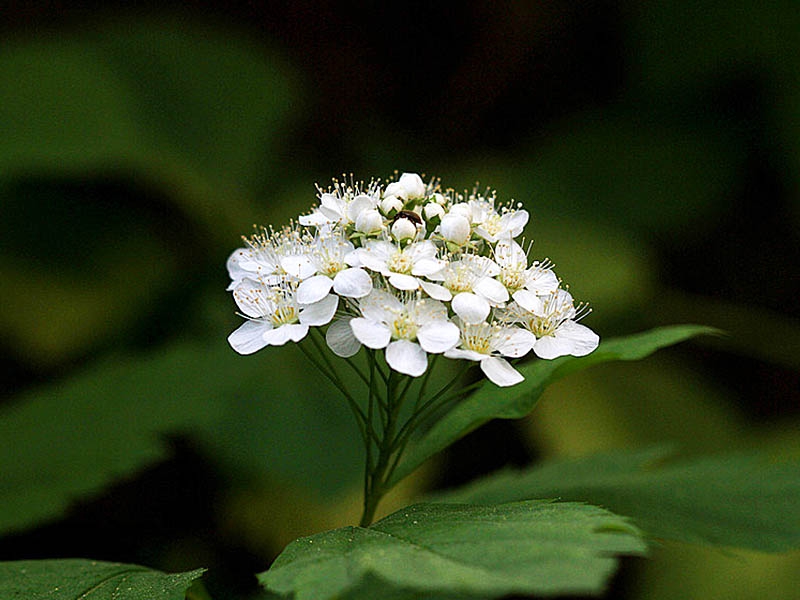
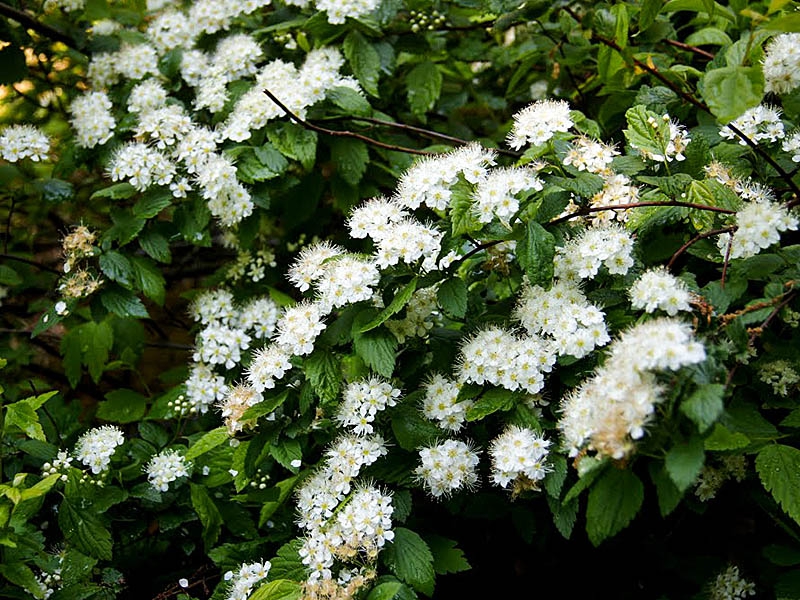
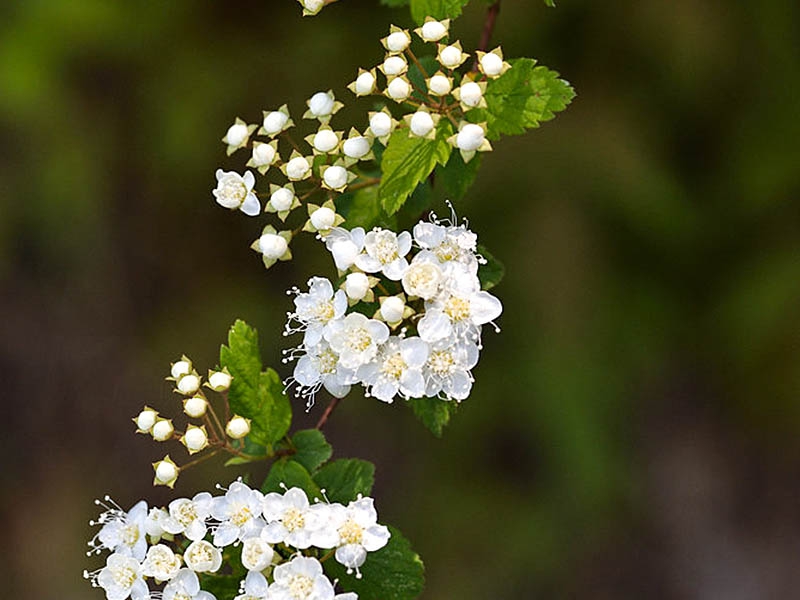
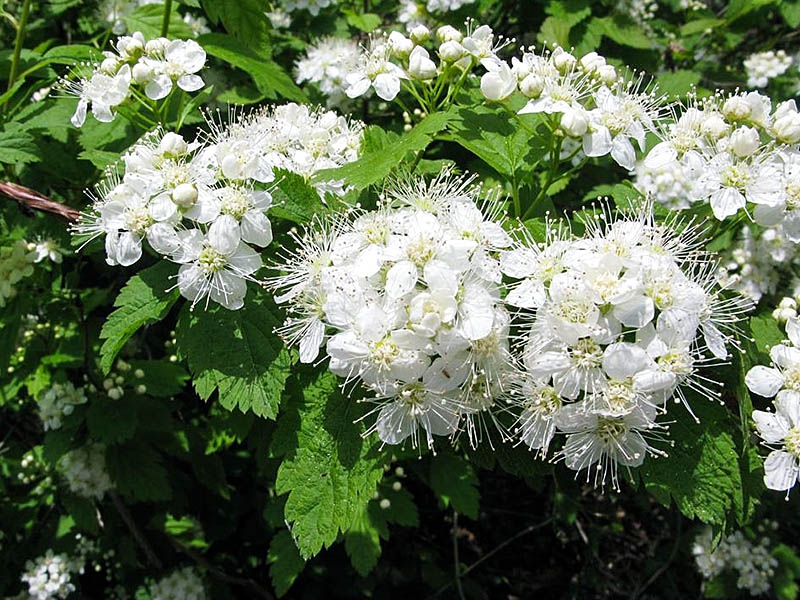
Spiraea chamaedryfolia var. pilosa is a deciduous shrub belonging to the Oleaceae family. It grows primarily in mountainous areas and is popular as an ornamental plant due to its beautiful flowers and foliage. The following provides information on this plant's growth characteristics, propagation methods, cultivation methods, garden uses, and major pests and diseases, as well as control methods. Growth Characteristics - Growing Environment: Spiraea chamaedryfolia thrives in full sun or partial shade and prefers well-drained soil. It is mainly found in mountainous areas or near forests. - Growth Rate: It grows relatively quickly. - Cold Hardiness: It is a plant resistant to cold and withstands winter well. Propagation Methods - Seed Propagation: Collect ripe seeds in the autumn and sow them immediately, or store them in the refrigerator and sow them the following spring. - Cuttings: Cuttings taken from semi-hardy branches in the summer root well. 3. Division: It can be propagated by dividing the clumps in spring or autumn. Cultivation Method - Soil: It is best grown in well-drained sandy loam. - Watering: Be careful not to overwater; water only when necessary. - Fertilizer: Applying slow-release fertilizer in the spring can promote growth. - Pruning: It is recommended to prune after the flowers have faded to encourage new growth in the spring. Uses in the Garden - Ornamental: Its beautiful leaves and flowers make it suitable for planting along garden borders or in flower beds. - Ecologically Beneficial: The flowers attract bees and butterflies, making it ecologically beneficial. Important Pests and Diseases & Control Methods - Diseases: While generally resistant to disease, root rot can occur due to excessive moisture. Proper drainage management is crucial. - Pests: Leaf rollers and aphids may appear; eliminate them using appropriate insecticides upon early detection. - Preventive care: Regularly keep the area around the plants clean, and periodic observation is necessary to detect pests and diseases at an early stage. Based on this information, you can cultivate and care for Spiraea prunifolia. Add beauty to your garden through propagation and care.
Plant Type
Plant Family
Rosaceae
Height
1~2m
Spread
Colors
white
Bloom Period
May to June
Water Needs
commonly
Exposure
Sunny
Freezing Resistance
-30°C
Agujangnamu
Spiraea chartacea
Spiraea betulifolia
Spiraea betulifolia