English
한국어
English
Español
中文
हिंदी
Home
News
Community
Dictionary
English
한국어
English
Español
中文
हिंदी
View list
I'm also grass
Sporobolus piliferus
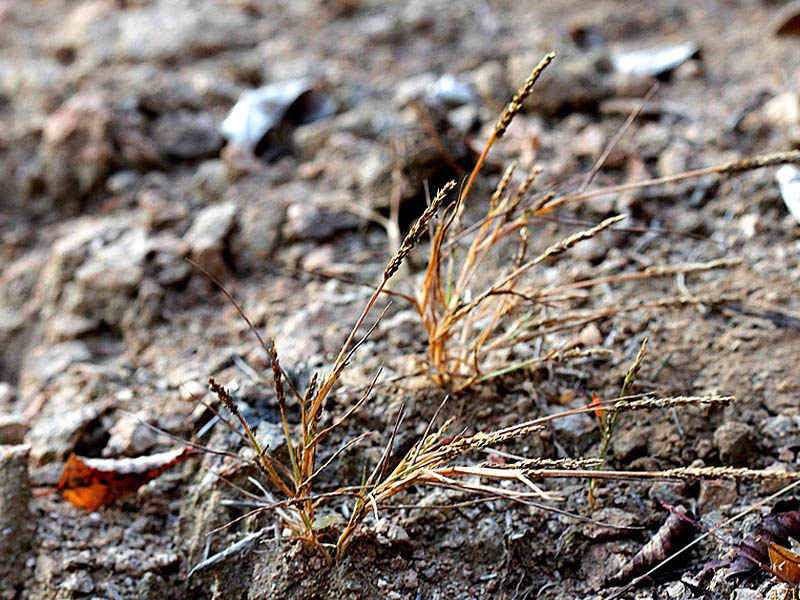
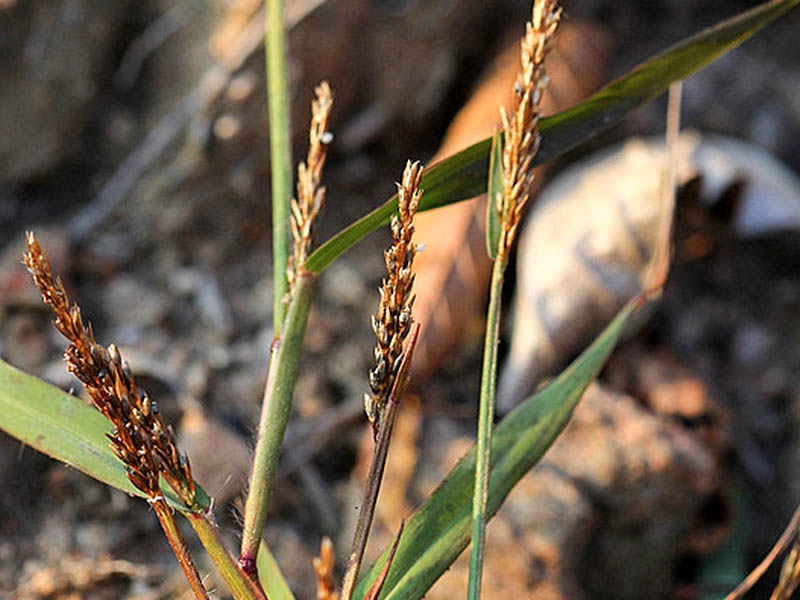
Sporobolus piliferus is an attractive grass variety. The following describes its growth characteristics, propagation methods, cultivation methods, garden uses, major pests and diseases, and control methods. Growth CharacteristicsSporobolus piliferus thrives primarily in warm climates and boasts relatively strong vitality even in dry environments. This plant has a shallow, dense root system that helps prevent soil erosion. It typically displays a vibrant green color and, with proper care, forms a dense lawn. Propagation MethodsSporobolus piliferus is primarily cultivated through seed propagation, but it can also be propagated via stolons. Spring or autumn, when temperatures are moderate, is the optimal time for planting seeds. Stolons naturally take root in the surrounding soil to propagate. Cultivation Methods - Soil: Well-drained sandy soil is ideal, and a neutral to slightly alkaline pH is suitable. - Watering: Caution is required as excessive moisture can cause root rot. Water at regular intervals, but it is best to water only after the topsoil has dried out. - Sunlight: It grows faster in sunny locations but can also adapt to partially shaded areas. Uses in GardensDue to its strong durability, Nadograss is widely used for landscaping. It is popular in parks and private gardens because it can create uniform and beautiful lawns while providing a natural feel. Important Pests and Control Methods - Diseases: The most common diseases are leaf blight and brown spot. To prevent these, it is important to maintain good aeration, regularly remove weeds, and provide balanced fertilizer. - Pests: Grasshoppers and aphids can be a problem. It is effective to monitor these pests periodically and use appropriate insecticides when necessary. With effective management and proper control, Nadograss can provide a sustainable and beautiful lawn.
Plant Type
Plant Family
Poaceae
Height
10~25cm
Spread
Colors
brown
Bloom Period
August to October
Water Needs
commonly
Exposure
Sunny
Freezing Resistance
-15°C
Oil bird
Spodiopogon cotulifer
Elongatus
Sporobolus elongatus