English
한국어
English
Español
中文
हिंदी
Home
News
Community
Dictionary
English
한국어
English
Español
中文
हिंदी
View list
Teolseokjam-pul
Stachys riederi
var.
hispidula
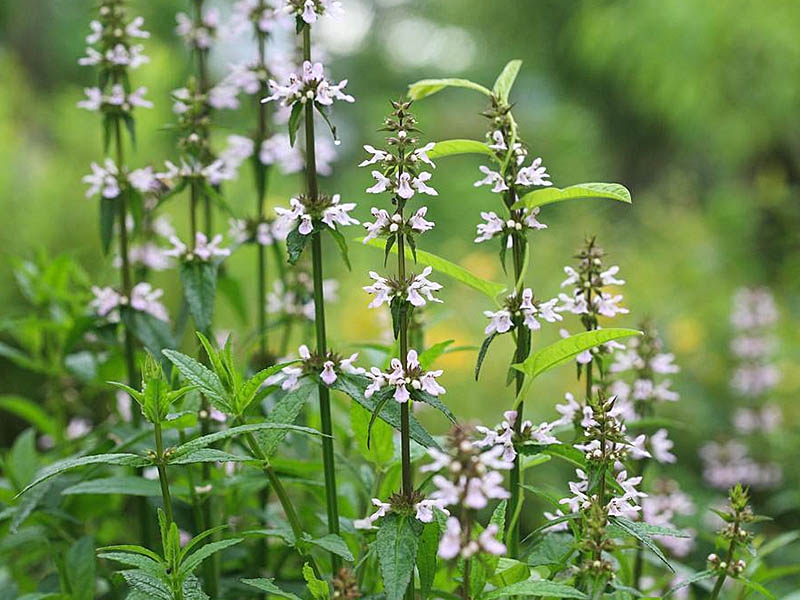
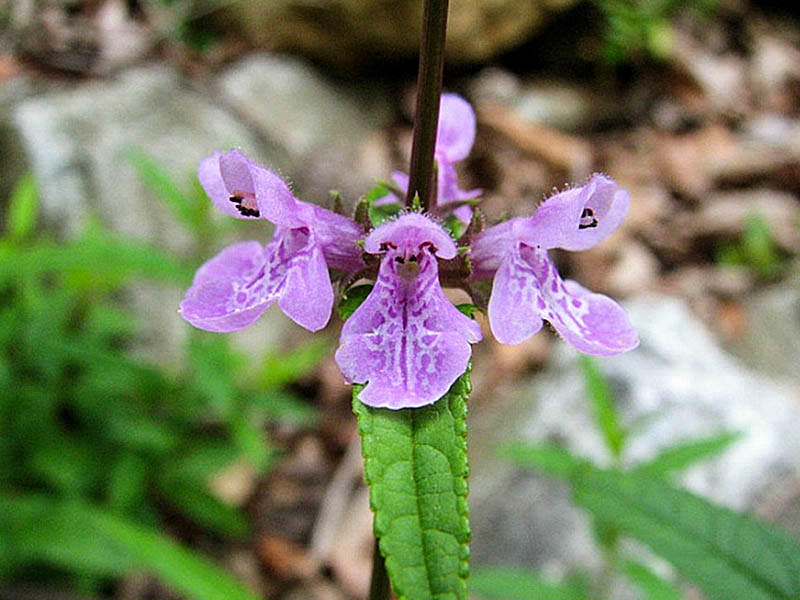
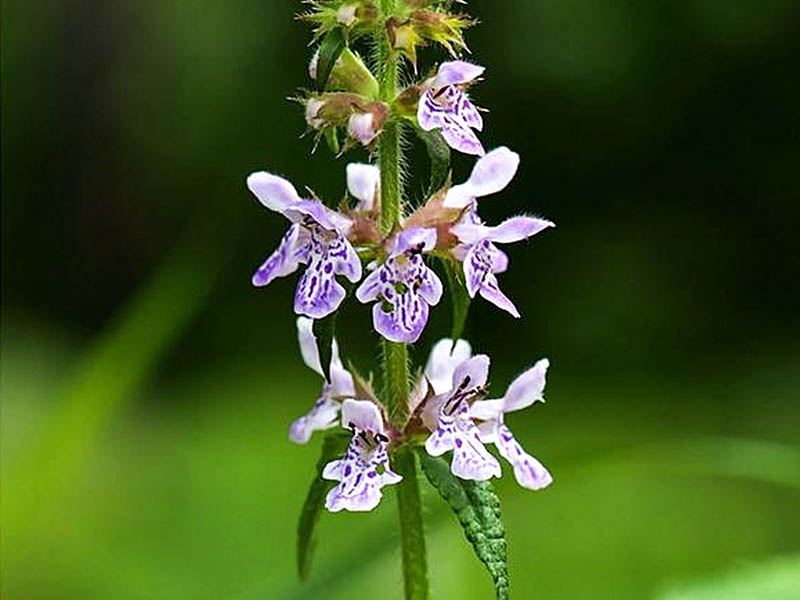
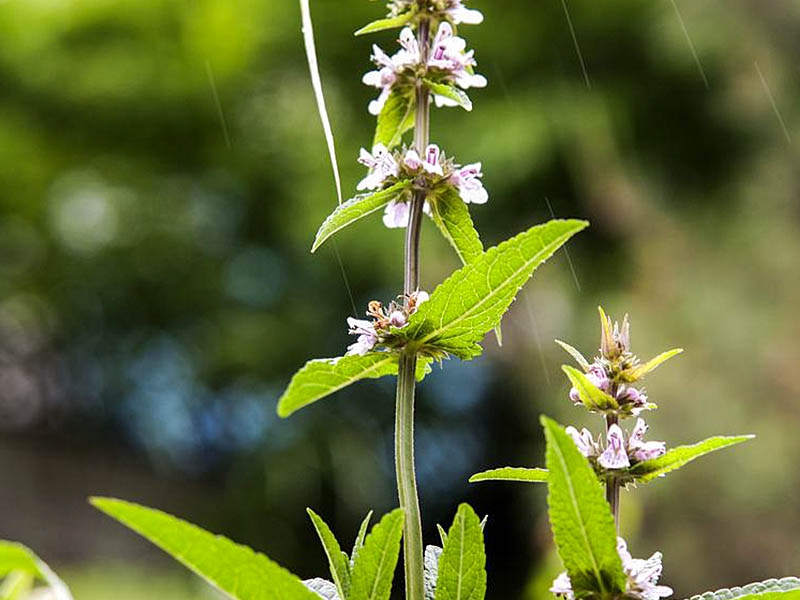
I will explain the growth characteristics, propagation methods, cultivation methods, garden uses, and major pests and diseases and control methods of Stylematis japonica (var. hispidula). Growth CharacteristicsStylematis japonica is a perennial herbaceous plant belonging to the Lamiaceae family and thrives primarily in humid environments. It grows to a height of approximately 30–60 cm, and its leaves grow sequentially from the base and are ovate or elliptical. The flowers bloom in purple during the summer and are clustered in racemes at the tips of the stems. Propagation MethodsThis plant can be propagated mainly by seeds and root division. Seed propagation can be done by direct sowing in the spring or by promoting germination in a cool environment before transplanting. Root division involves dividing the roots of a mature plant in the spring or autumn for replanting. Cultivation Methods- Soil: It prefers well-drained, fertile soil, but it also grows well in ordinary soil. - Watering: It likes moisture, so it must be watered frequently. However, maintaining a well-drained environment is essential to prevent root rot. - Sunlight: It thrives in partial shade and prefers indirect light or partial shade rather than direct sunlight. Uses in the GardenStalactite japonica is used as a ground cover plant. Its beautiful purple flowers provide a lovely color, making it suitable for decorative use in the garden. It is ideal for natural-looking gardens or wildflower gardens. Important Pests and Control Methods While generally resistant to pests, it may be susceptible to root rot or leaf blight in humid conditions. To prevent this, proper soil drainage management is crucial, and it is recommended to plant at appropriate intervals to ensure good ventilation. Remove any diseased leaves immediately and use appropriate fungicides if necessary. Additionally, aphids and butterfly larvae can cause problems, so inspect the plants regularly. If these pests are spotted, remove them physically or use organic insecticides. Based on this information, you can successfully grow Stalactite japonica in your garden.
Plant Type
Plant Family
Lamiaceae
Height
30~60cm
Spread
Colors
pink
Bloom Period
July
Water Needs
commonly
Exposure
Sunny
Freezing Resistance
-10°C
Starkiss Opikinalis
Stachys officinalis
velvet vine
Stachys oblongifolia