English
한국어
English
Español
中文
हिंदी
Home
News
Community
Dictionary
English
한국어
English
Español
中文
हिंदी
View list
Stapelia Asterius
Stapelia asterias
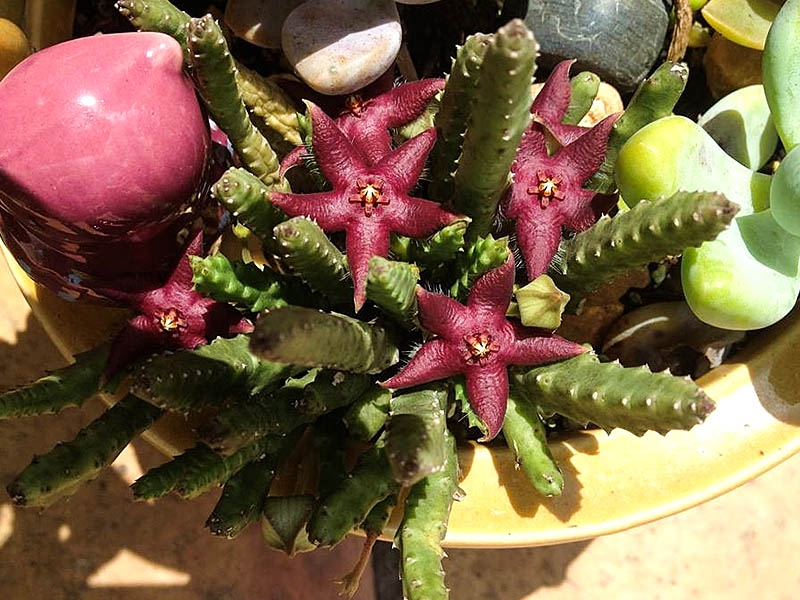
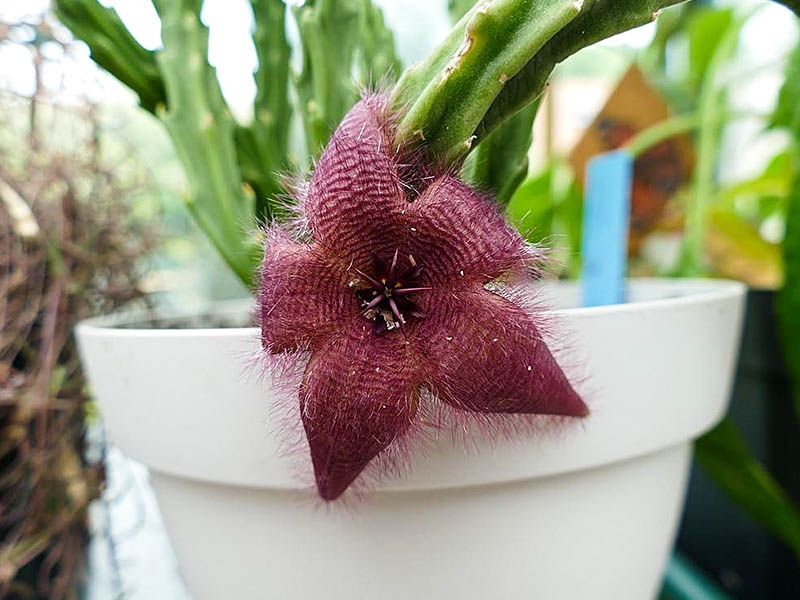
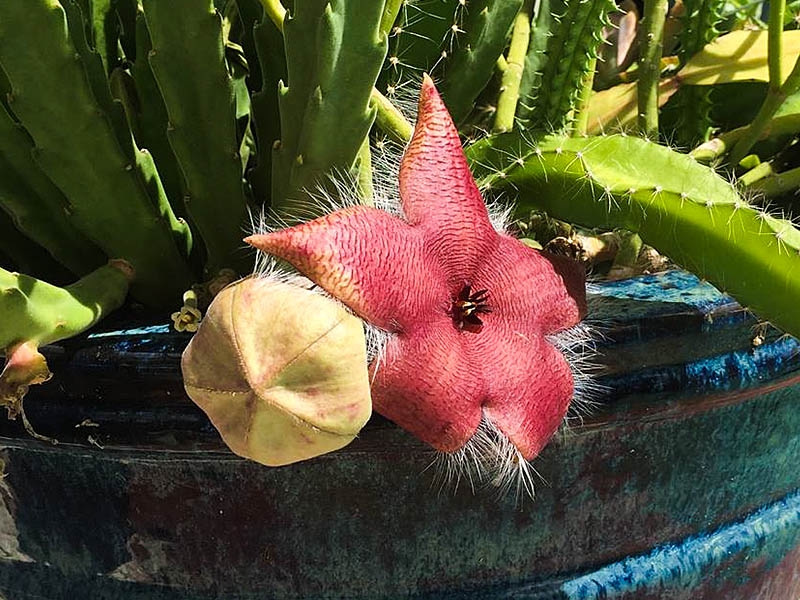
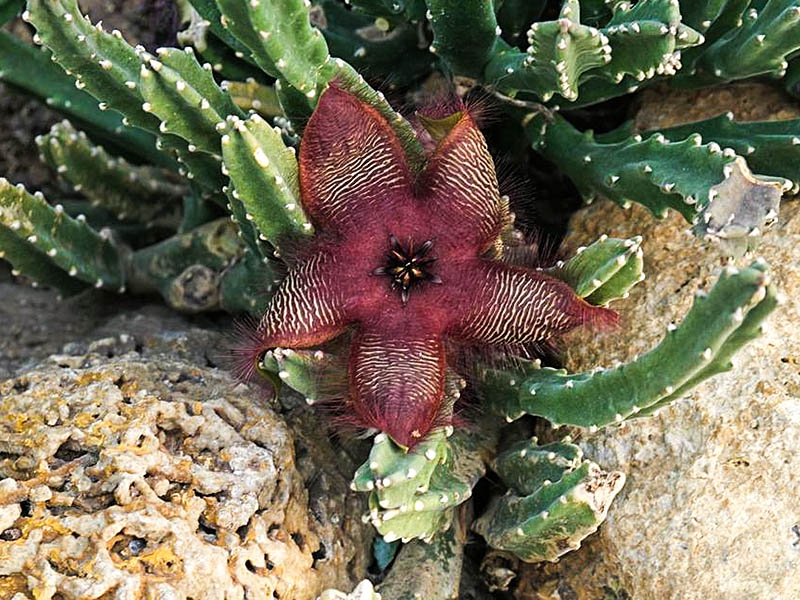
Growth Characteristics of Stapelia Asterius Stapelia Asterius is a succulent plant native primarily to South Africa, well known for its unique flower shape and strong fragrance. This plant has a low stature and thick stems, and thrives in environments with plenty of sunlight. Growth is most active in spring and autumn, and it enters a dormant period during the winter. Propagation Methods Stapelia Asterius is mainly propagated by cuttings or seeds. Cuttings are most effective in spring or summer. After cutting and drying a stem, plant it in slightly moist soil to encourage rooting; it is recommended to use well-draining soil. For seed propagation, lightly scatter the seeds on the soil and wait for germination in a brightly lit area. Cultivation Methods Due to the nature of succulents, Stapelia Asterius is susceptible to overwatering, so it is important to use well-draining soil and a pot. Avoid direct sunlight, and a location with bright indirect light is suitable. Water thoroughly when the soil is completely dry, but reduce watering during the winter. Apply a small amount of fertilizer specifically designed for succulents in the spring and autumn. Uses in the Garden Stapelia esterius is popular as a decorative plant in the garden due to its distinctive appearance and flowers. It is suitable for planting in well-drained greenhouses or rock gardens, and can enhance the visual effect when placed alongside other succulents and cacti. In particular, it can be grown in pots on verandas or indoors. Important Pests and Control Methods Major pests include scale insects, spider mites, and root rot caused by overwatering. - Scale Insects: Regularly inspect the plant; if insects are found, physically remove them or wipe them off with soapy water. - Spider Mites: Spider mites are prone to occurring in dry environments, so periodically moisten the air around the plant or use a spider mite insecticide. - Root Rot: Since overwatering is the cause, water only after the soil has dried out and use well-draining soil. If cared for thoroughly, Stapelia esterius is a relatively easy plant to grow.
Plant Type
Plant Family
Asclepiadaceae
Height
10~20cm
Spread
2cm
Colors
red
Bloom Period
August to November
Water Needs
Bad
Exposure
semi-shaded area
Freezing Resistance
-5°C
Daehwa Seogak
Stapelia grandiflora
Black Dragon Horn Decarii
Stapelianthus decaryi