English
한국어
English
Español
中文
हिंदी
Home
News
Community
Dictionary
English
한국어
English
Español
中文
हिंदी
View list
Mulberry
Stauntonia hexaphylla
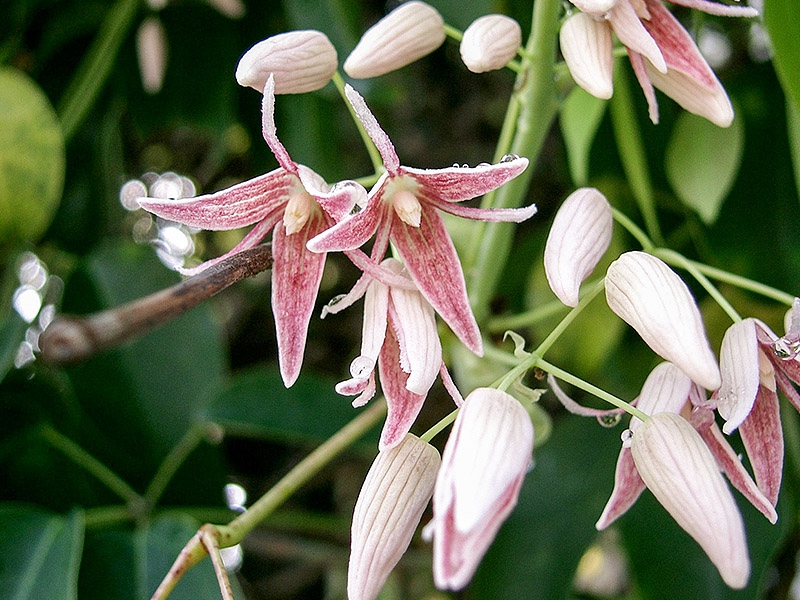
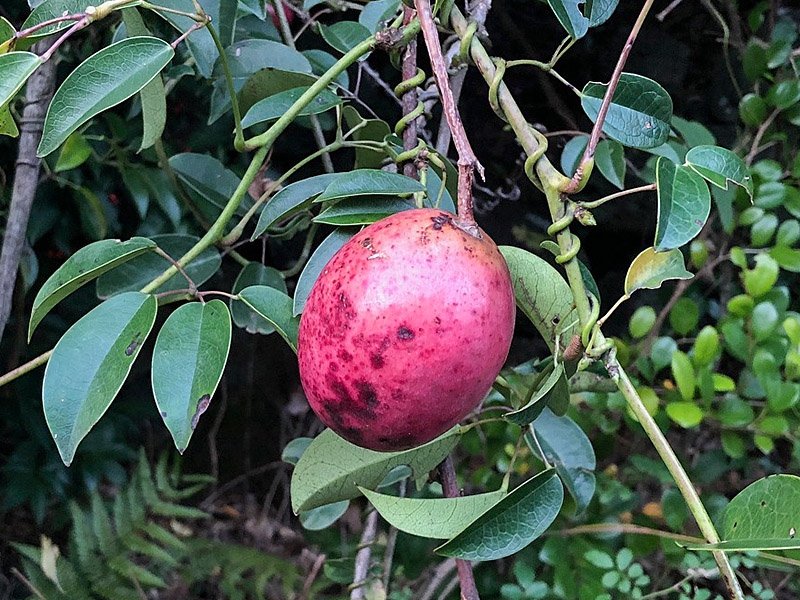
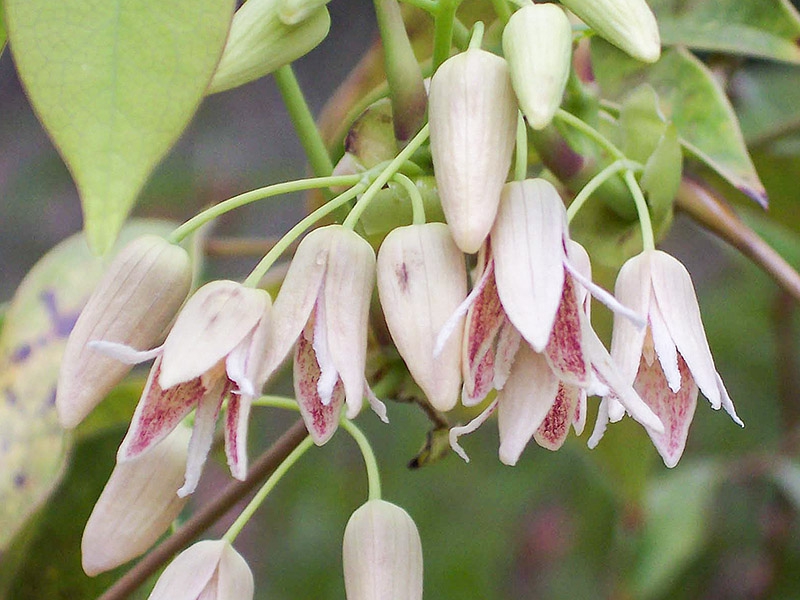
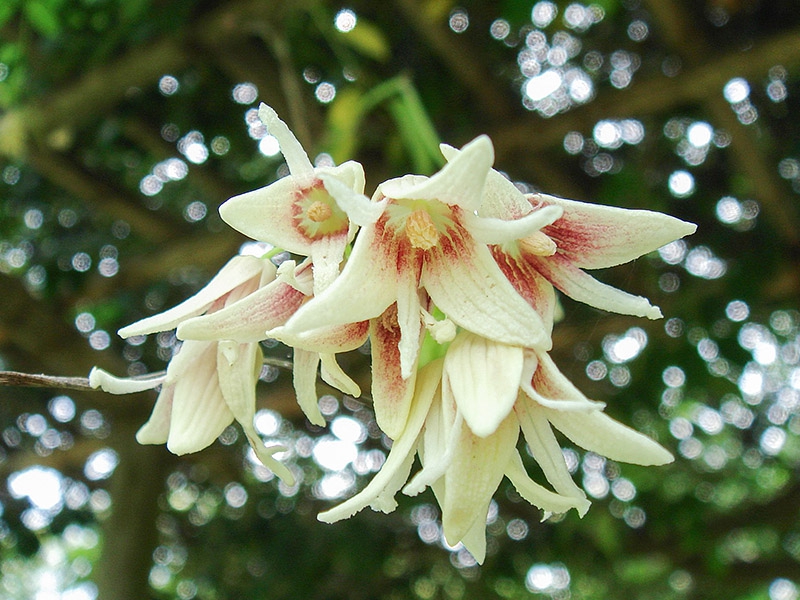
Growth Characteristics Stauntonia hexaphylla is a vining plant that thrives primarily in warm climates. It grows well in shade and thrives best in partial shade. The leaves are palm-shaped, arranged in clusters of 5 to 7, giving it a unique appearance. Propagation Methods Stauntonia hexaphylla can primarily be propagated by cuttings or seeds. For cuttings, new shoots are cut in spring or early summer; using a rooting agent increases the chances of successful rooting. For propagation by seeds, collect them in the autumn and plant immediately, or store them in the refrigerator and sow them the following spring. Cultivation Methods It is important to use well-draining soil and maintain adequate humidity. Avoid overwatering; it is best to water only when the soil is dry. Applying an appropriate amount of organic fertilizer every spring can help promote healthy growth. Garden Use Hexaphylla is a vining plant suitable for covering walls, hedges, or pergolas. Since it thrives in shade, it can be used to cover shade areas in the garden or as a decorative element. Additionally, it provides visual pleasure when it flowers and bears fruit. Important Pests and Control Methods While this plant is relatively resistant to pests, pests such as aphids and moths may appear in certain environments. If pests occur, they can be removed by washing with water or using soapy water. Regarding diseases, proper drainage is important as root rot can occur due to excessive moisture. If necessary, appropriate pesticides can be used to prevent pests and diseases.
Plant Type
Plant Family
Akebia family
Height
5m
Spread
Colors
white
Bloom Period
April~May
Water Needs
commonly
Exposure
Sunny
Freezing Resistance
-15°C
American pepper tree
Staphylea trifolia
fern
Leptogramma pozoi subsp. mollissima