English
한국어
English
Español
中文
हिंदी
Home
News
Community
Dictionary
English
한국어
English
Español
中文
हिंदी
View list
long-leaved starflower
Stellaria longifolia
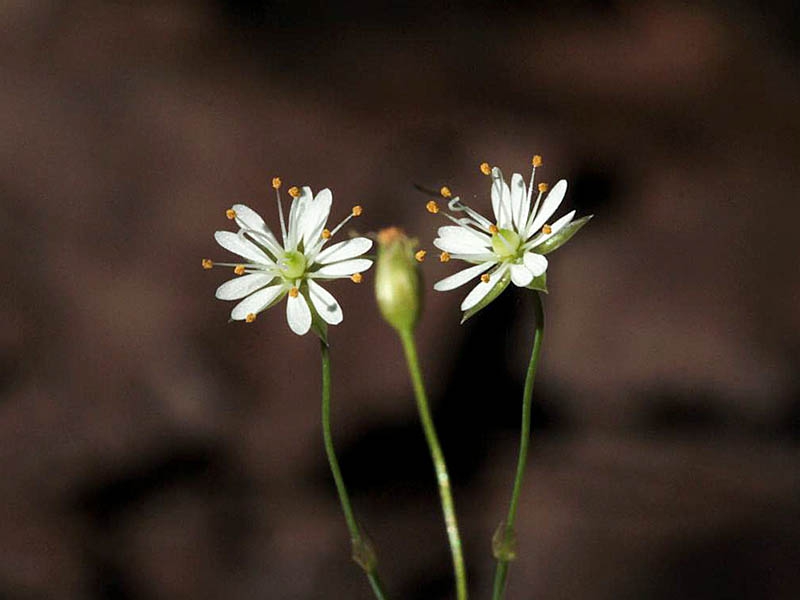
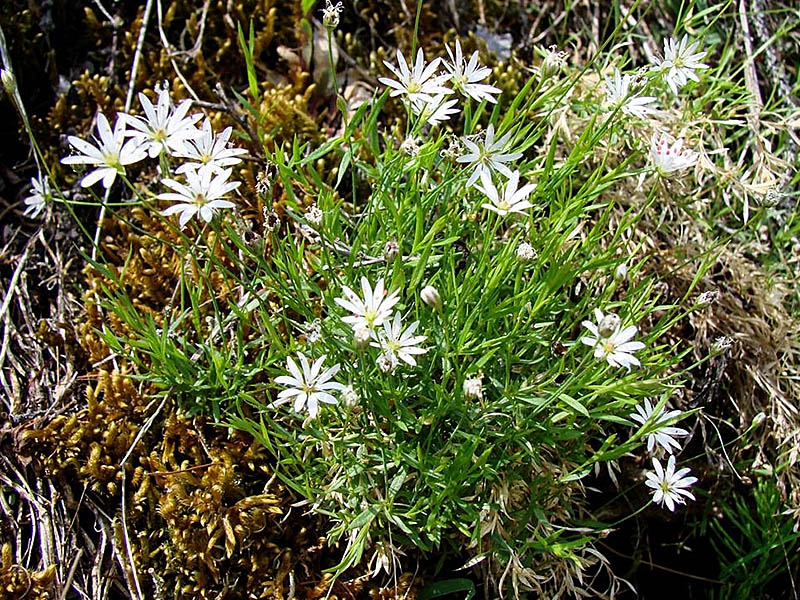
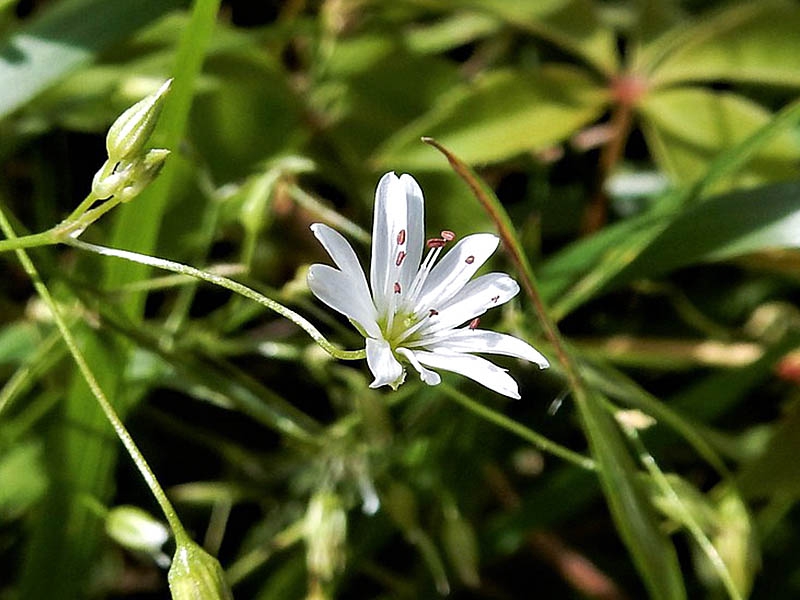
Growth Characteristics of Stellaria longifolia Stellaria longifolia is a plant native primarily to the temperate and subarctic regions of the Northern Hemisphere, thriving in moist environments. It can grow even in barren conditions and reaches a height of approximately 15–30 cm. It is characterized by its long, slender leaves and small, white, star-shaped flowers. Propagation Methods Stellaria longifolia is mainly propagated by seeds; seeds are harvested in the autumn and planted in the spring. Vegetative propagation using rhizomes is also possible. It can be easily propagated by carefully dividing the underground stems and planting them in new locations. Cultivation Methods Stellaria longifolia thrives in locations with moderate moisture and sunlight. The soil should be well-drained yet capable of maintaining consistent moisture. It grows best in soil containing organic matter rather than excessive fertilizer, and it is advisable to cover the plant during the winter to prevent temperatures from dropping too low. Use in the Garden While the long-leaved starwort is a beautiful plant in itself, it is particularly useful for creating a natural atmosphere when combined with other plants. It is also excellent for landscaping and is often planted along the edges of flowerbeds or in rock gardens. Important Pests and Diseases and Control Methods Although the long-leaved starwort is a relatively hardy plant, it can be susceptible to pests and diseases due to excessive moisture or poor drainage. The following are the major pests and diseases and their control methods: - Fungal Diseases: Mold may appear on the leaves. In such cases, improve drainage and ventilation, and use an appropriate fungicide if necessary. - Aphids: If aphids appear, wash them off with water in the early stages. In severe cases, control them using eco-friendly pesticides or water diluted with soap. - Snails and Slugs: Control them by spraying diatomite on the soil or using attractants. The best control method is to select a suitable location and promote healthy growth through regular maintenance.
Plant Type
Plant Family
Caryophyllaceae
Height
20∼40cm
Spread
Colors
white
Bloom Period
July–August
Water Needs
commonly
Exposure
semi-shaded area
Freezing Resistance
-20°C
Tundra starflower Longipes Goldie
Stellaria longipes Goldie
Arctic star flower Humipusa
Stellaria humifusa