English
한국어
English
Español
中文
हिंदी
Home
News
Community
Dictionary
English
한국어
English
Español
中文
हिंदी
View list
Hambak
Stephania japonica
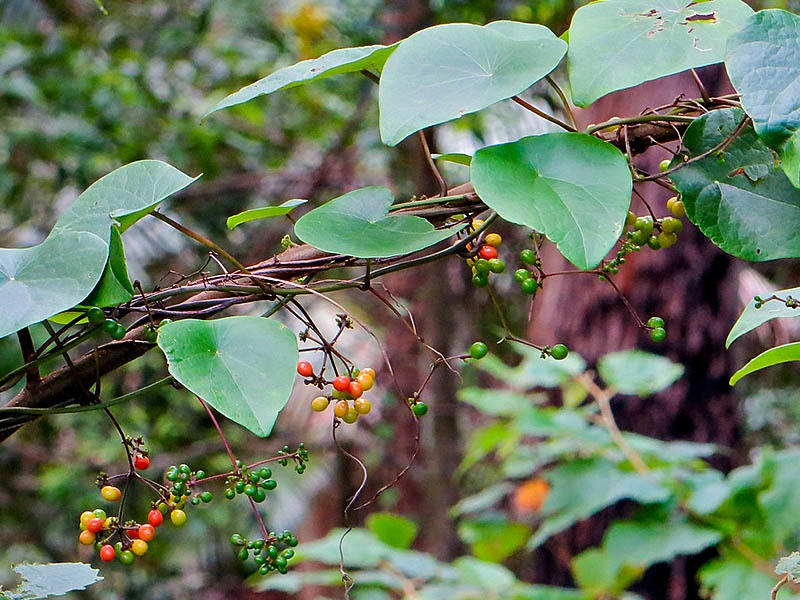
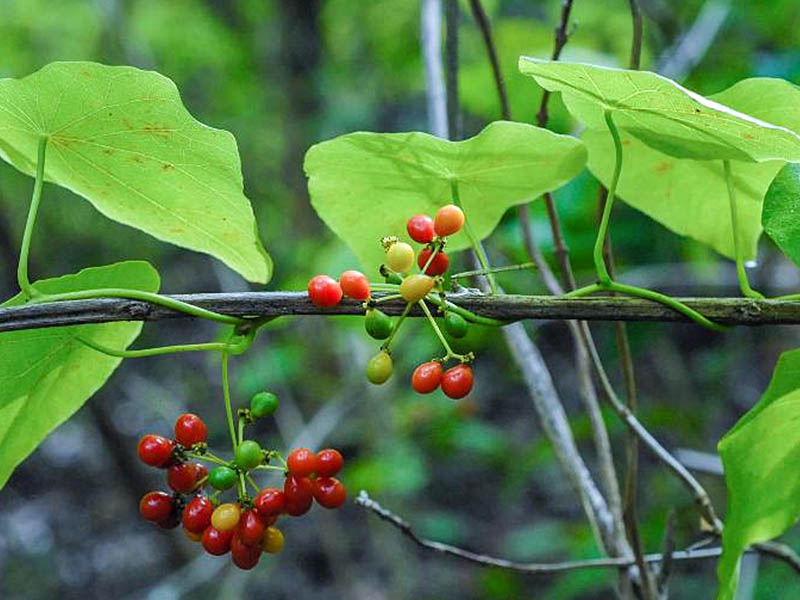
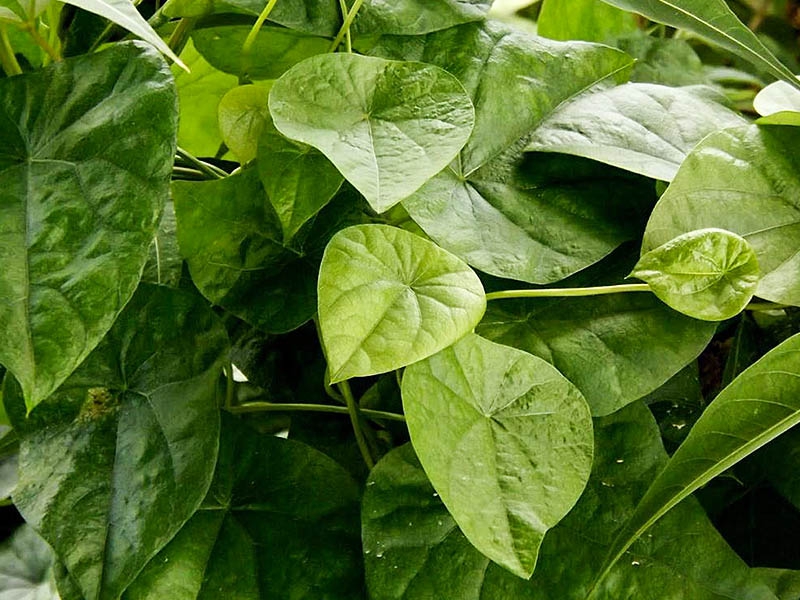
Stephania japonica is a vining plant found primarily in tropical and subtropical regions of Asia. This plant thrives particularly well in shade and grows by climbing trees or other supports. Growth Characteristics - Environment: It grows well in partial shade and prefers a hot and humid environment. - Soil: Well-drained soil rich in organic matter is suitable. - Temperature: As it is adapted to tropical climates, it is best to grow it indoors in areas where frost occurs. Propagation Methods - Seed Propagation: Harvest seeds from mature fruits and sow them. Maintaining proper temperature and humidity increases the germination rate. - Cutting Propagation: It can be propagated relatively easily by cutting stems and taking cuttings. Cultivation Methods - Planting: Plant in well-draining soil, and it is best to place it in partial shade rather than in strong sunlight. - Watering: Avoid overwatering; water when the topsoil dries out. 3. Fertilizer: Apply slow-release fertilizer in appropriate amounts during spring and autumn. Uses in the Garden - Hambakjaponica is primarily used for ornamental purposes; it climbs trees or walls, providing beautiful shade. Important Pests and Control Methods - Diseases: It may contract soft rot or powdery mildew. In this case, it is important to prevent it by using appropriate fungicides or improving ventilation. - Pests: Damage from aphids or scale insects may occur. Control them by using natural enemies or applying insecticides appropriately. Hambakjaponica is a plant that can be grown relatively easily if provided with proper care and a suitable environment. It is excellent for use as a vining plant in the garden, and with proper care, it creates an even more beautiful landscape.
Plant Type
Plant Family
Sand vine family
Height
8m
Spread
Colors
green
Bloom Period
July~August
Water Needs
commonly
Exposure
Sunny
Freezing Resistance
-10°C
Noodle Tree 'Crispy'
Stephanandra incisa 'Crispa'
Tristo-Uiridis
Stereodon tristo-viridis